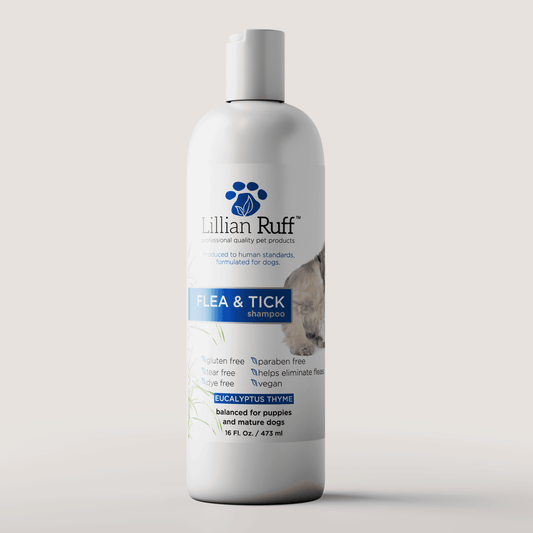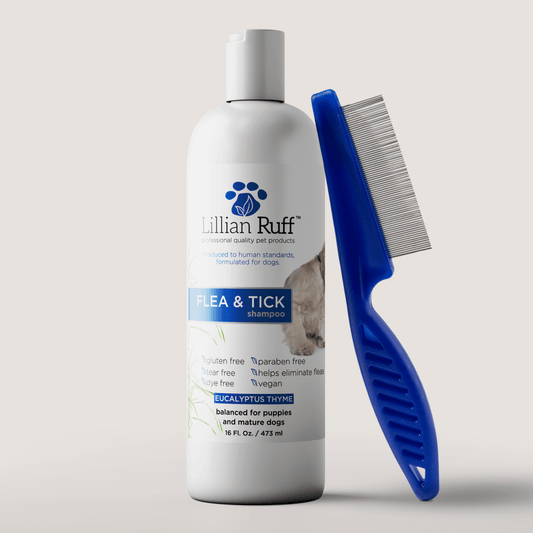
If your dog still smells slightly suspicious after a full bath, you probably do not need a stronger shampoo. You may simply be doing one small step in the wrong orderâor skipping a detail nobody ever thought to explain.
Letâs walk through the grooming tricks that make the biggest difference: why the bath begins while the coat is still dry, how a five-dollar tub mat can change your dogâs entire attitude, why rinsing matters more than lather, and how to tell whether a thick coat is actually dry instead of merely pretending.
A Smarter Grooming Toolkit
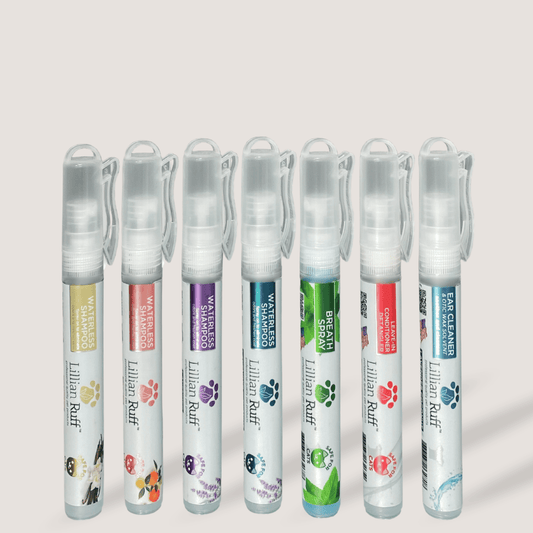
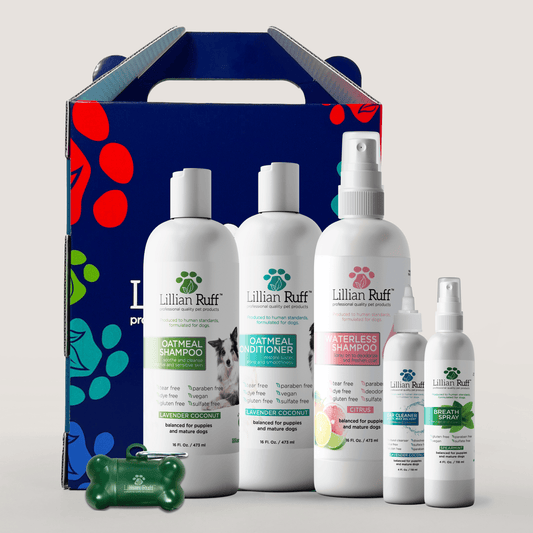
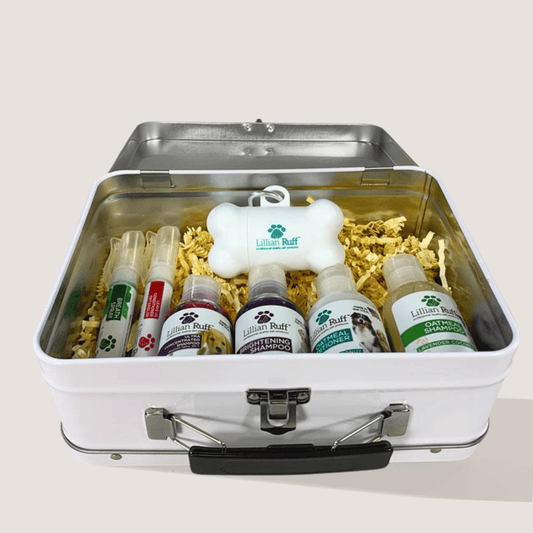
You do not need a bathroom full of products to groom your dog well. You need a few products that each solve a specific problem. Think of this less like collecting bottles and more like building a small, useful toolkit: one cleanser, one conditioning step, one detangling shortcut, and one way to handle the days when a full bath is absolutely not happening.
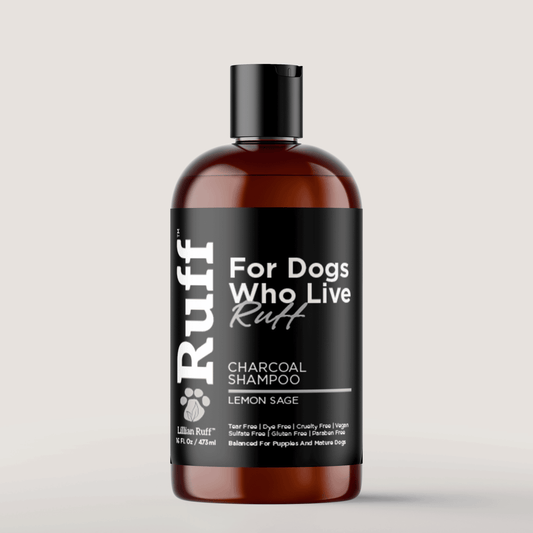
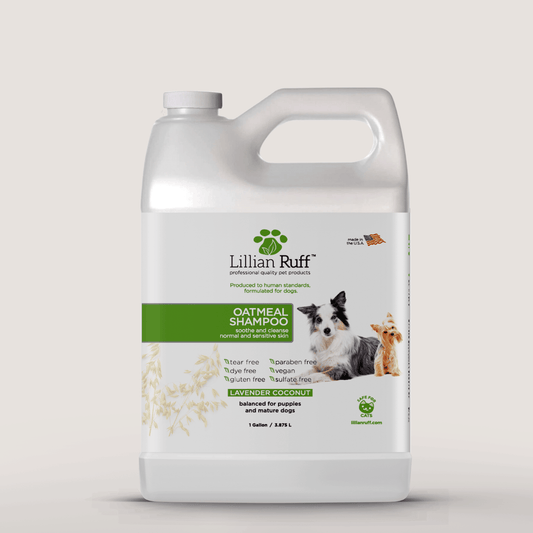
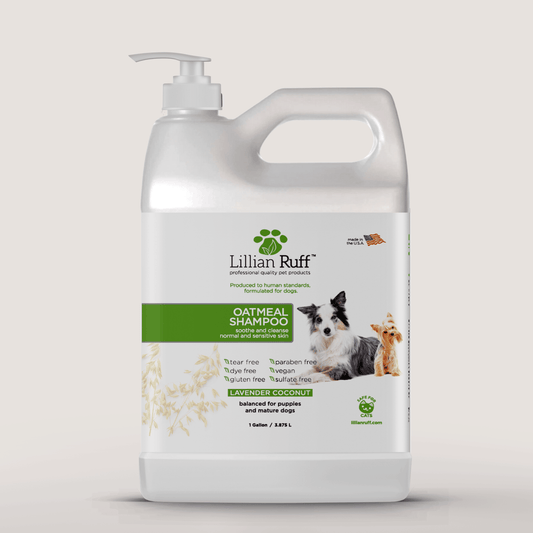
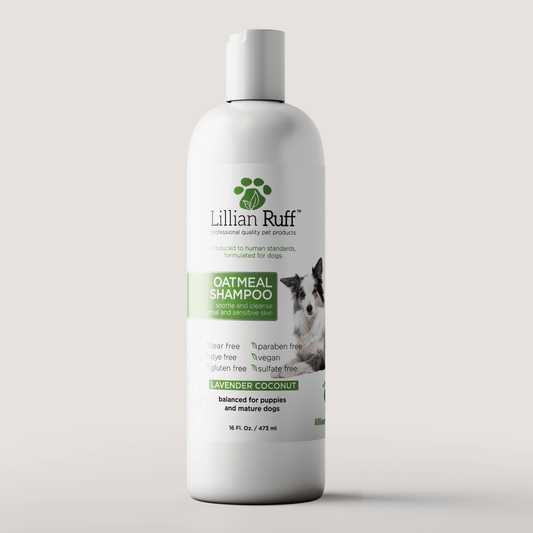
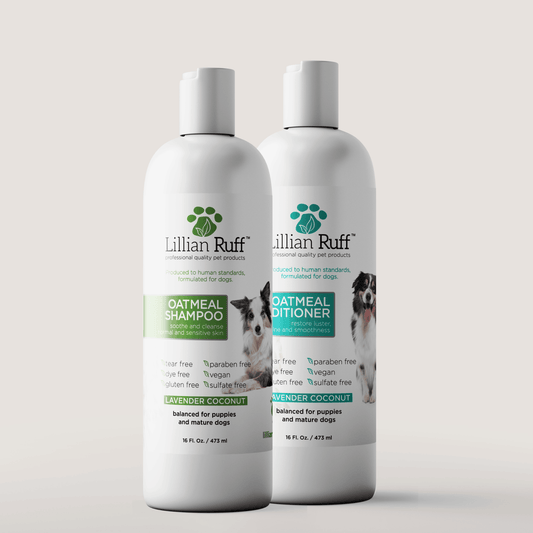
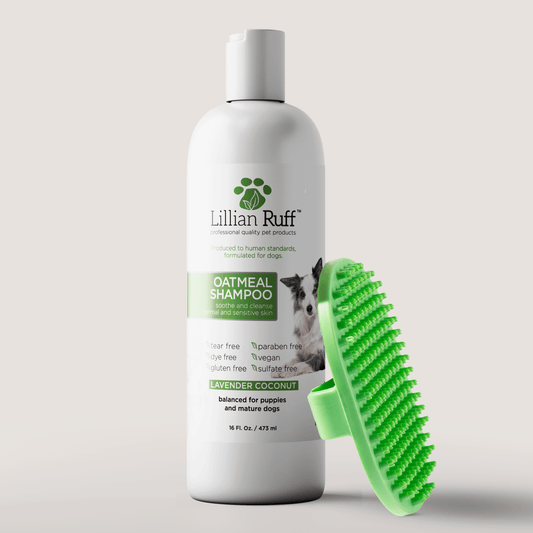
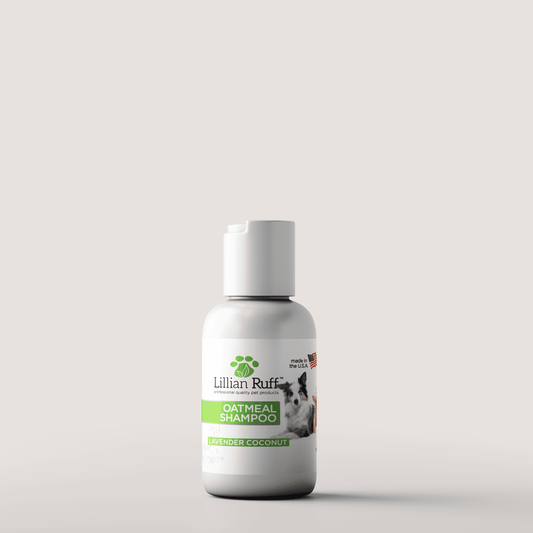
Oatmeal Shampoo
A gentle, pH-balanced cleansing option for routine baths and coats that need moisture support.
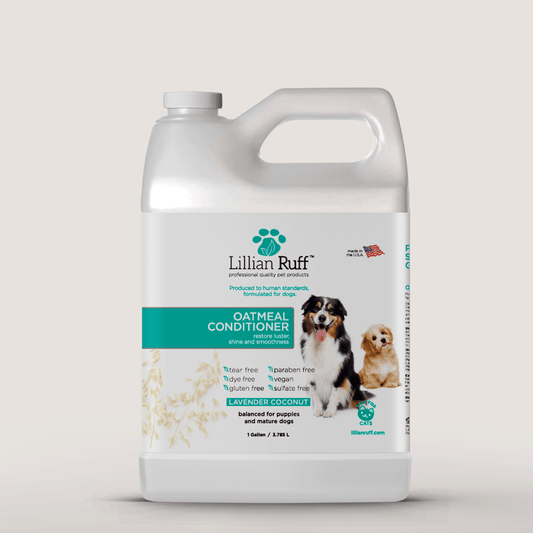
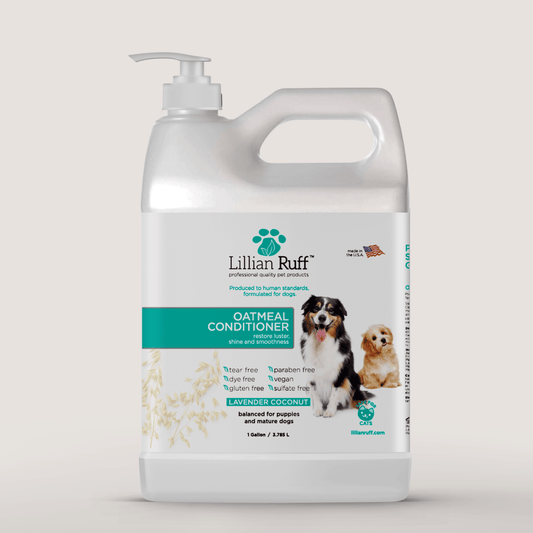
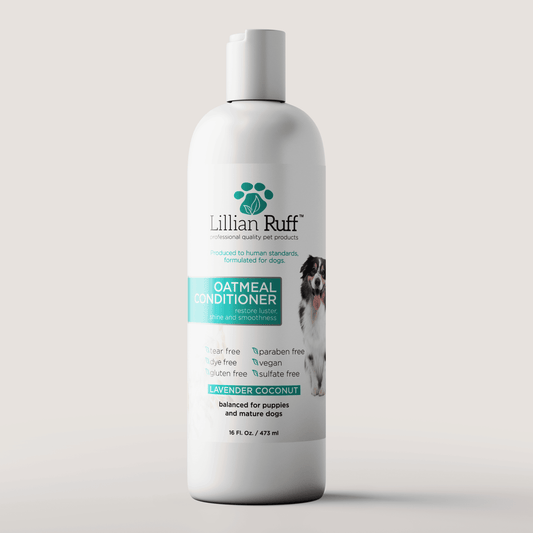
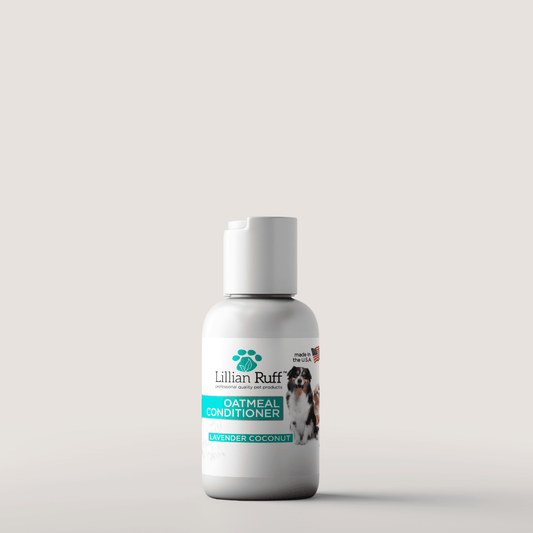
Shop Oatmeal ShampooOatmeal Conditioner
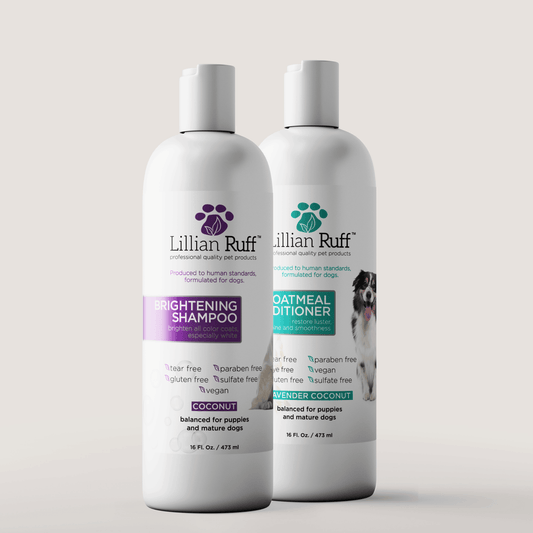
Helps soften the coat, improve manageability, and reduce the friction that makes brushing harder.
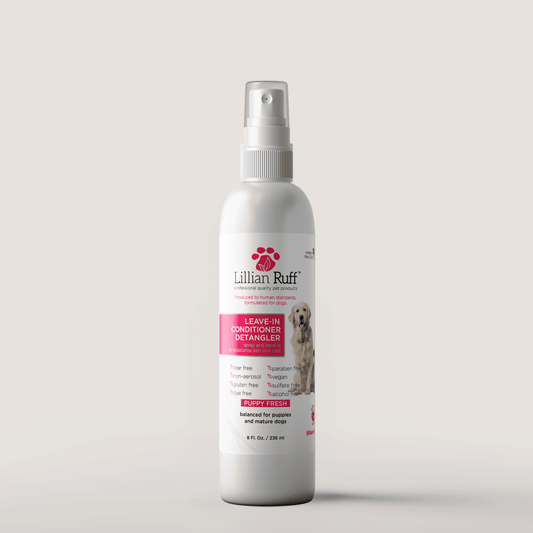
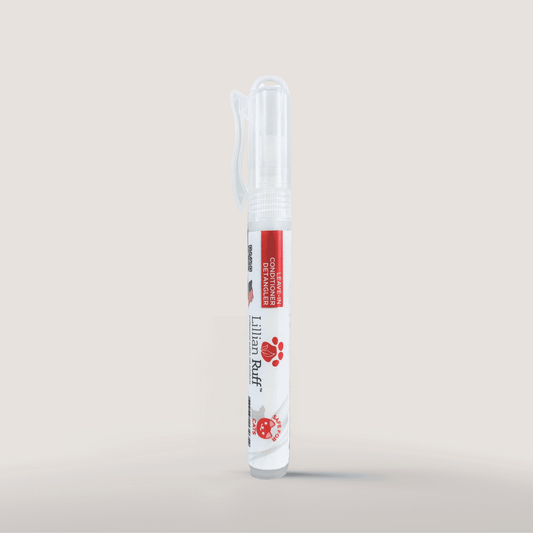
Shop Oatmeal ConditionerLeave-In Conditioner & Detangler
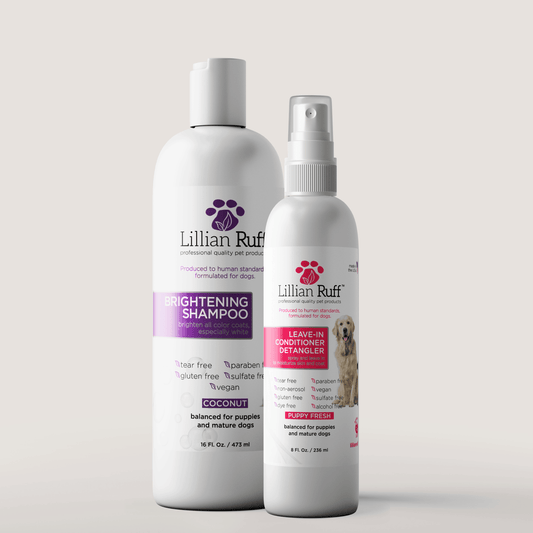
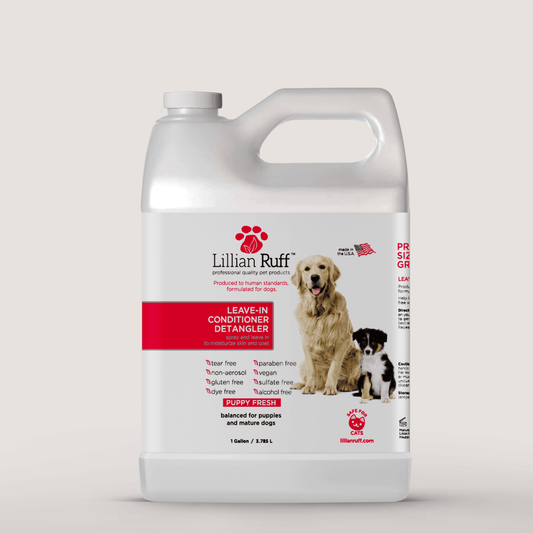
Use on damp or dry coats before brushing to add slip and make small tangles easier to work through.
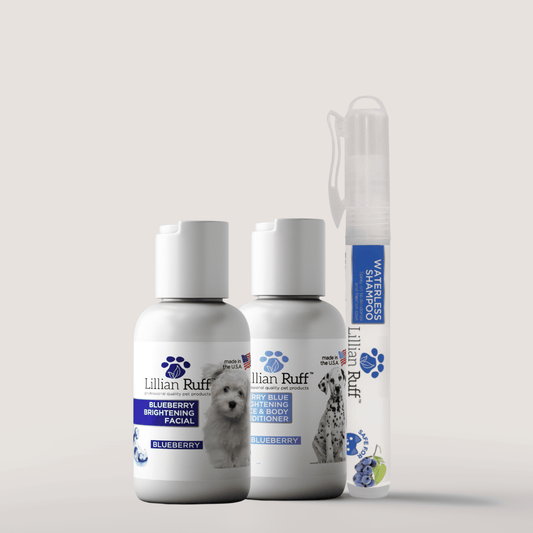
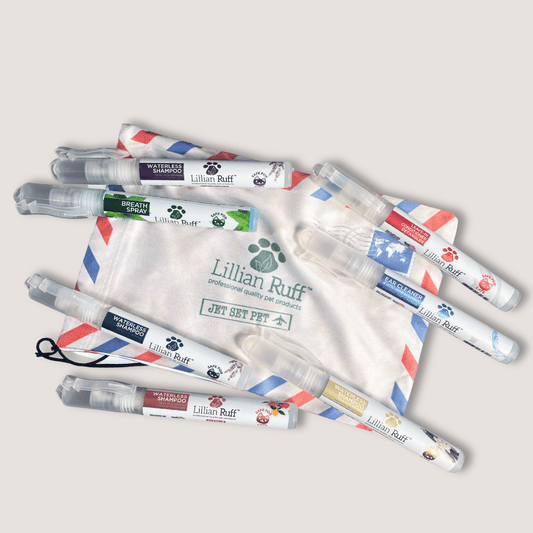
Shop the DetanglerWaterless Shampoo
A no-rinse option for quick freshening, post-walk cleanup, travel, and dogs who reject the tub on principle.
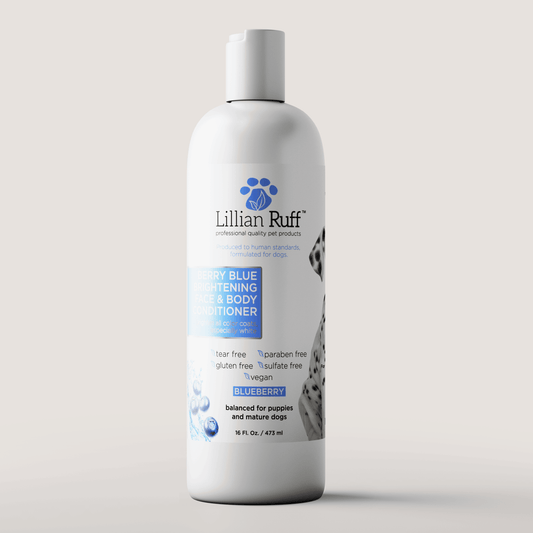
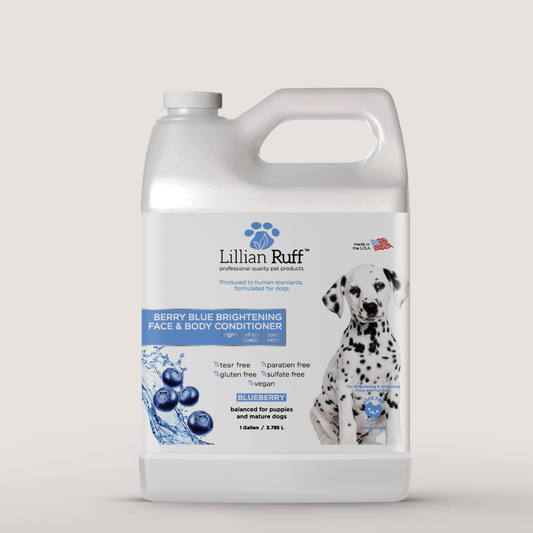
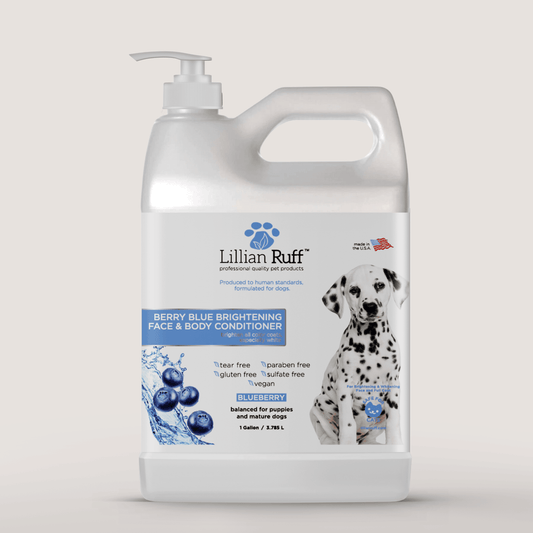
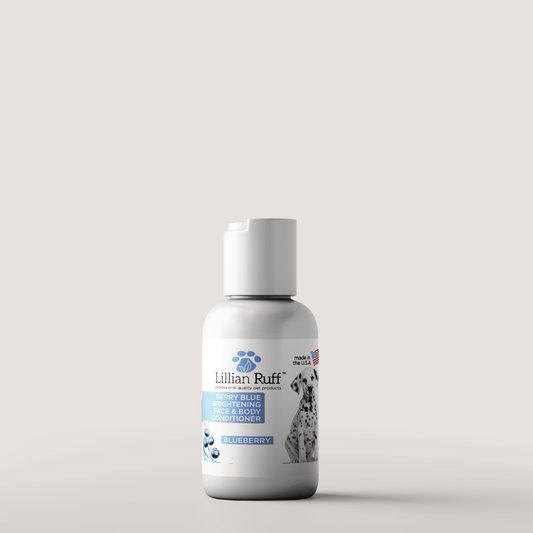
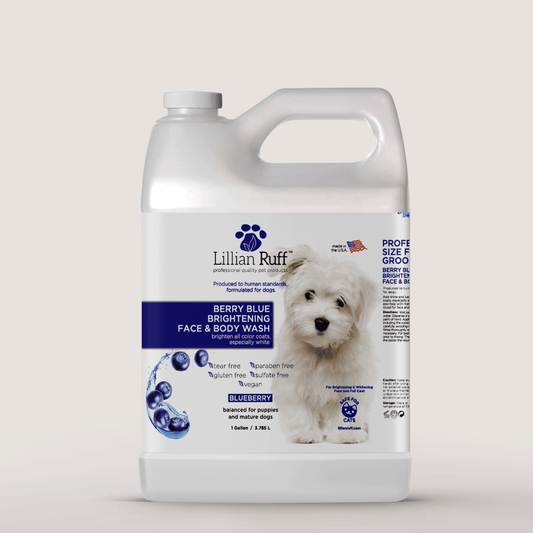
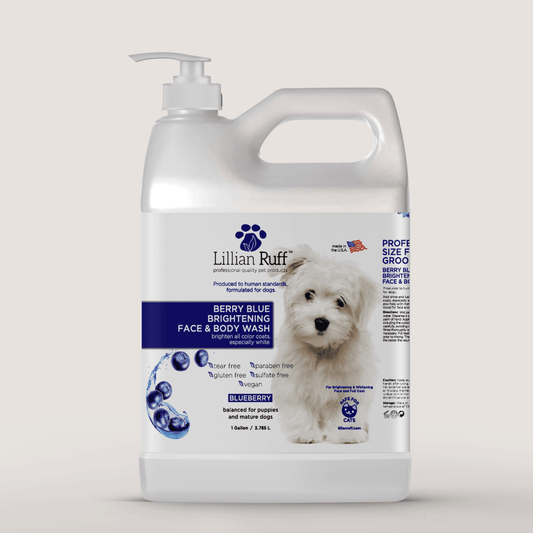
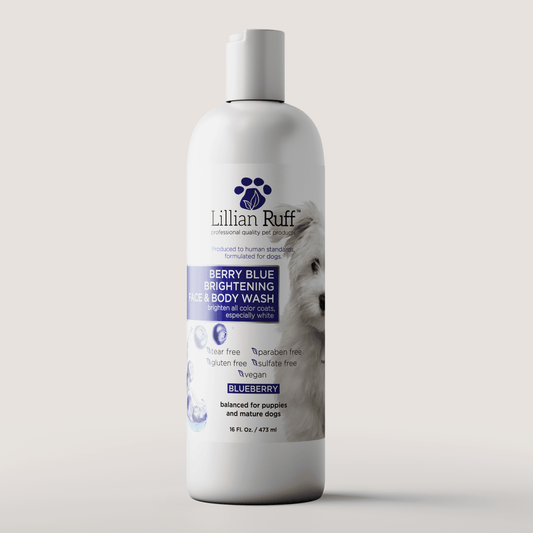
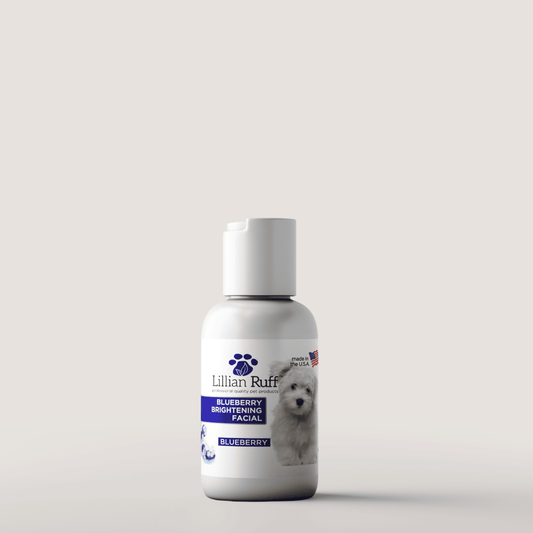
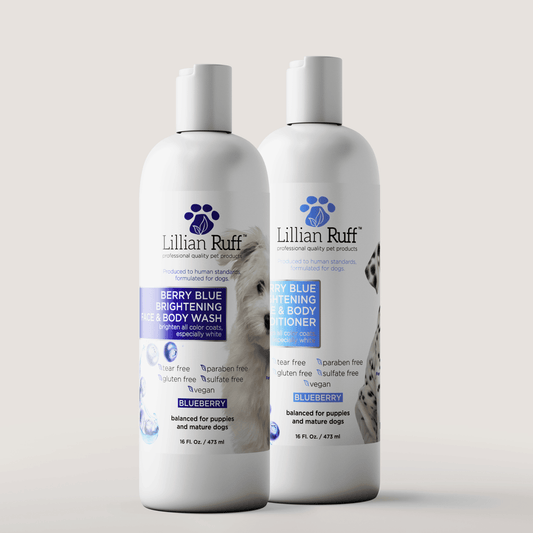
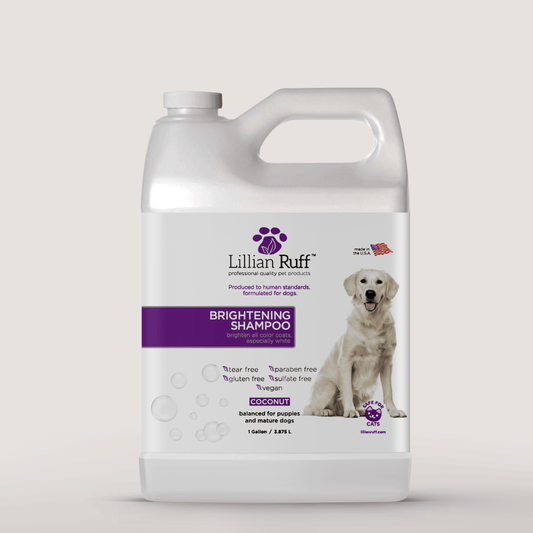
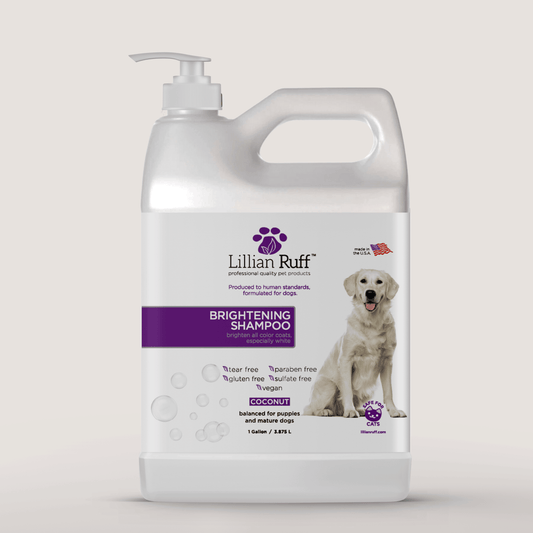
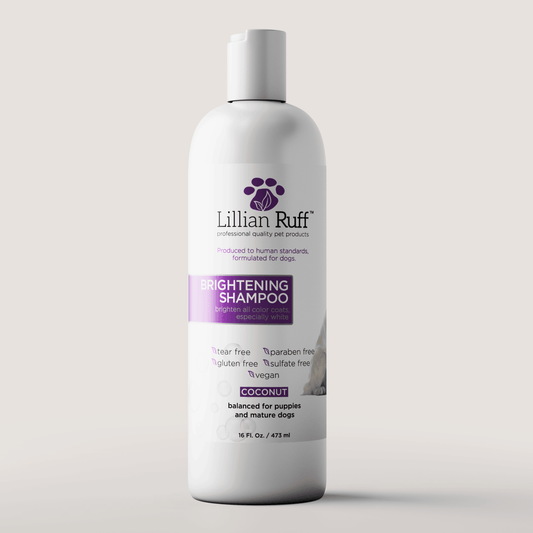
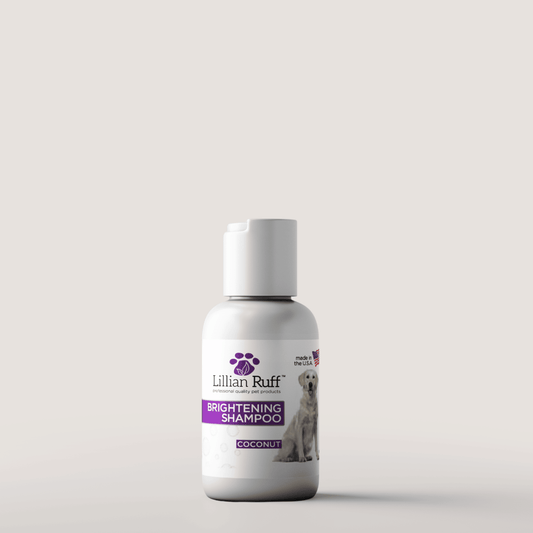
Shop Waterless ShampooBrightening & Whitening Shampoo
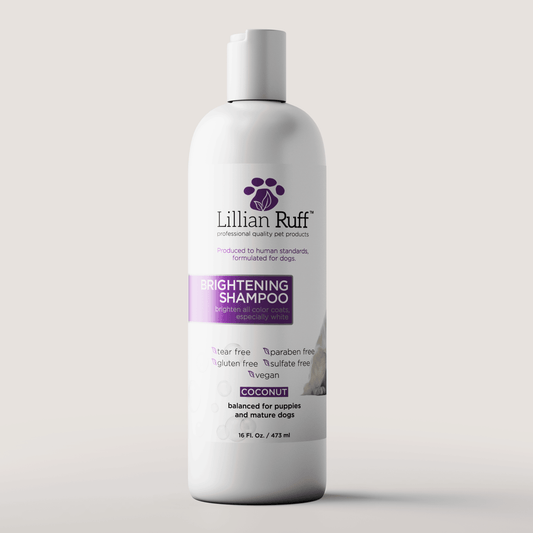
Designed to lift dull-looking buildup and help light, white, and colored coats look cleaner and brighter.
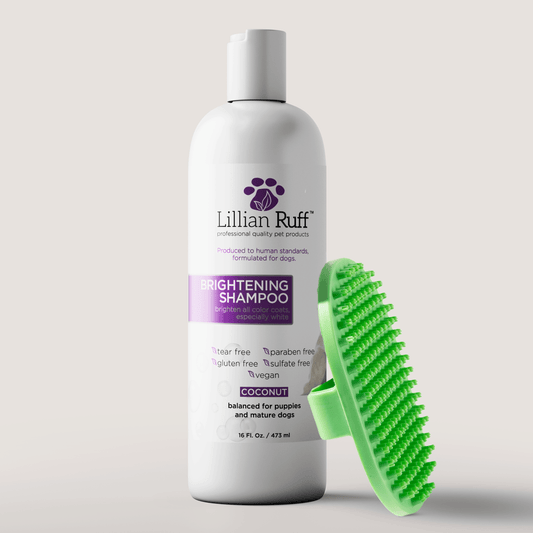
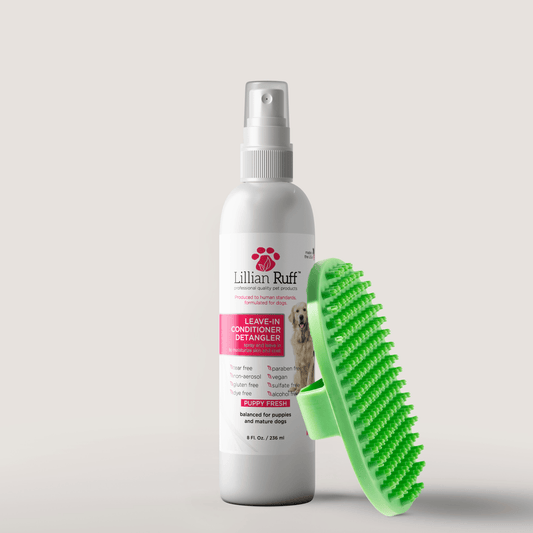
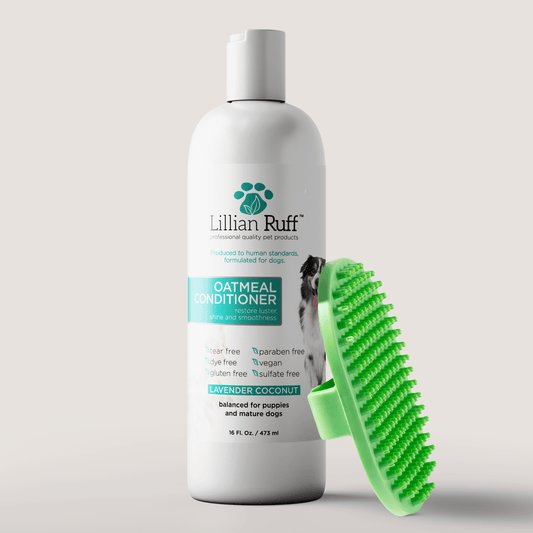
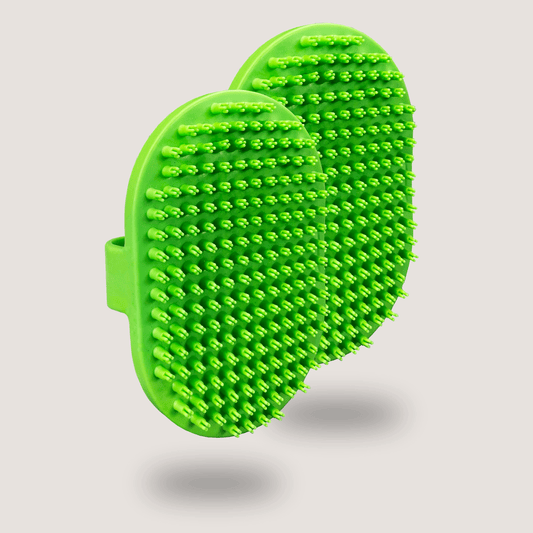
Shop Brightening ShampooPet Bath Brush Set
Soft rubber bristles help spread shampoo through the coat while lifting loose hair and everyday debris.
Shop the Bath BrushesBuilding a routine from scratch? Start with one shampoo that fits your dogâs coat, then add conditioner or detangler only where it solves a real problem.
Explore Pet ShampoosThe Bath Starts While Your Dog Is Still Dry
Most of us think brushing belongs at the end of the bath. The dog is clean, the coat is soft, and now we make everything fluffy. It sounds logical. Unfortunately, tangles are not known for respecting logic.
When a knot gets wet, the hair can tighten around itself. Add shampooing, rubbing, and towel drying, and that innocent little snag behind the ear can return as a fully established mat with zoning approval.
That is why the smartest bath-day shortcut is to brush first. You remove loose hair before it enters the drain, and you catch tangles before water makes them more stubborn.
The âDid I Actually Brush the Coat?â Test
A brush can glide beautifully over the outer layer while leaving tangles closer to the skin. After brushing, use a metal comb as your fact-checker.
The section is likely detangled from the outer coat toward the skin.
There is still a knot underneath, even if the surface looks fluffy and finished.
Work upward gradually instead of forcing a tool through the entire knot at once.
Support the hair above the tangle to reduce pulling while you gently work through it.
A light mist of Leave-In Conditioner & Detangler before routine brushing can add slip and reduce friction. It is far more useful as prevention than as a last-minute peace treaty with a severe mat.
Your Dog May Not Hate BathsâThey May Hate the Floor
Imagine standing barefoot on a slick surface while someone sprays water over your head and keeps repositioning your feet. You would probably look betrayed too.
A smooth tub forces many dogs to keep correcting their balance. That physical uncertainty can turn an otherwise manageable bath into a full-body argument. A rubber bath mat gives the paws traction and makes the environment feel more predictable.
Give your dog a reward for stepping onto the mat or standing calmly before the water begins. Do not make the first positive moment arrive only after twenty minutes of unwanted spa services.
Stop Putting One Giant Blob of Shampoo on the Back
This is how many of us learned to wash a dog: pour shampoo between the shoulder blades, then spend the rest of the bath trying to redistribute it to places that were not invited to the original shampoo meeting.
The back gets too much. The chest, legs, belly, undercoat, and tail get whatever survives the journey.
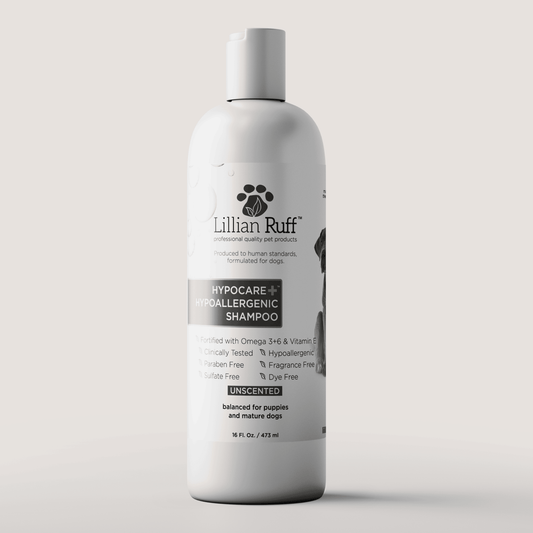
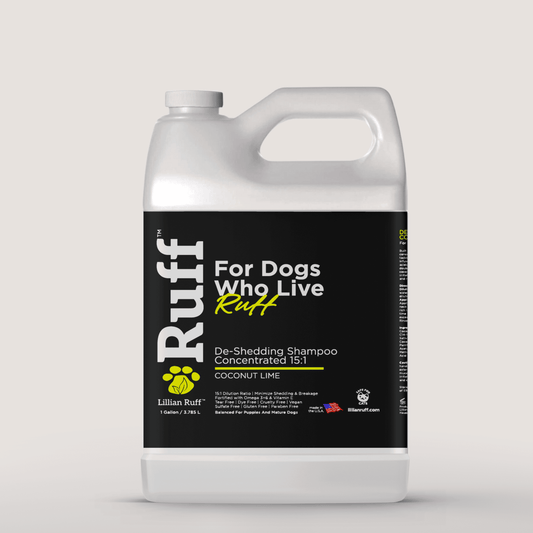
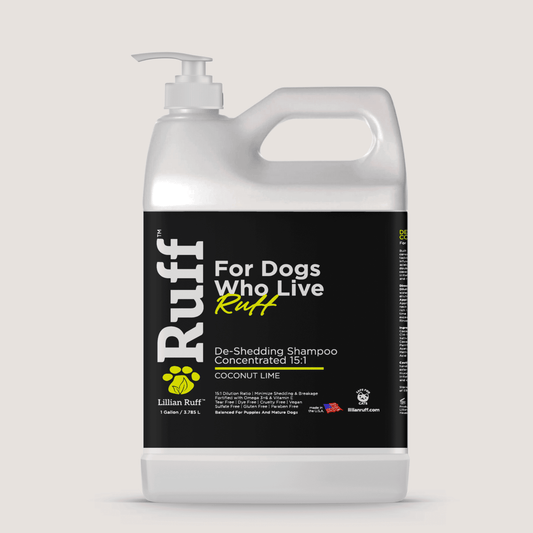
A better method is to apply smaller amounts in several areas, or use a mixing bottle when the product label allows dilution. If you use a concentrated formula such as Lillian Ruff Ultra Concentrated Shampoo, measure according to the stated dilution directions rather than conducting bathroom chemistry by intuition.
Work from the neck down so you control where water and cleanser travel. On short coats, gentle circular massage can work well. On long, silky, curly, or tangle-prone coats, move with the direction of the hair and gently squeeze product through longer sections instead of scrubbing everything into a wet knot.
The dirtiest parts are rarely the easiest parts to reach
- Paws and lower legs: where dirt, salt, grass, and sidewalk residue gather.
- Chest and belly: the first areas to meet puddles, sand, and mystery terrain.
- Under the collar: a warm friction area where coat oils and odor can linger.
- Base of the tail: frequently skipped because everyone is emotionally ready to rinse.
- Beards and facial folds: use a gentle, carefully controlled approach around the face.
- Dense undercoat: part the hair so product and water reach below the surface.
The goal is even distribution and a complete rinse. A mountain of foam may look productive, but it also creates more product to remove from the coat while your dogâs patience evaporates.
The Rinse Is Doing More Work Than You Think
If your dog feels sticky, heavy, dull, or strangely dirty again soon after a bath, the problem may not be the shampoo. It may be what remained behind.
Product residue can hide under the front legs, through the chest, around the neck, beneath skin folds, at the base of the tail, and deep in thick coats. The outer hair can look rinsed while the inner coat is still holding onto cleanser like a souvenir.
Rinse until the coat no longer feels coated or unusually slippery from shampoo. Then part the hair and rinse the commonly missed places once more. This is not glamorous advice, but it is one of the highest-impact changes you can make.
And conditioner is not just for dogs with better hair than us
Shampoo cleans. Conditioner can help restore softness, reduce friction, and make the coat easier to brush. That matters for long coats, curly coats, dry-feeling ends, frequent bathing routines, and any dog whose hair begins knotting the moment you look away.
Work Oatmeal Conditioner primarily through the coat, let it sit according to the directions, and rinse thoroughly. Conditioner should leave the coat manageableânot coated like it has made a long-term commitment to the bottle.
Which Conditioning Step Makes Sense?
The coat is long, curly, dry-feeling, frequently bathed, or consistently difficult to comb after shampooing.
You need extra slip during brushing, quick help between baths, or support in friction-prone areas.
The coat tangles easily and benefits from conditioning during the bath plus light maintenance afterward.
The coat feels weighed down. Concentrate products on the hair that needs them instead of coating every inch equally.
The âWet-Dog Smellâ Can Be a Drying Problem
Here is the discovery that causes many pet parents to stare into the distance and rethink every bath they have ever given:
A coat can feel dry on top and still be damp near the skin.
This happens easily with double coats, curly coats, dense coats, feathering, heavy rear coats, and areas behind the ears. The outer layer dries first and provides very convincing false testimony.
Before declaring victory, part the hair and feel close to the skin around the neck, chest, under the legs, behind the ears, near the tail, and anywhere the coat is especially thick.
Blot with towels instead of vigorously rubbing long or curly hair back and forth. Then use moving airflow on a cool or low-warm setting when appropriate. Keep the dryer moving, and never concentrate heat in one place. The goal is airflowânot roasting the dog until a timer pops out.
When the coat is generally clean but needs a refresh, a no-rinse product such as Waterless Shampoo can be more practical than restarting the entire bathtub production.
The Five-Minute Routine That Prevents Forty-Five-Minute Problems
Grooming becomes exhausting when we wait until every part of the dog needs attention at once. The coat is tangled, the paws are dirty, the ears need checking, and the brush has disappeared into the same dimension that contains all missing socks.
Short maintenance sessions are easier for you and less intimidating for your dog. Keep a brush, metal comb, detangler, soft cloth, and a few treats together. Set a five-minute timer and focus on one area.
Neck, collar area, and behind the ears
These high-friction areas can hide small tangles long before the rest of the coat looks messy.
Chest and front legs
Brush where harnesses rub and where long hair moves against the body during walking and play.
Tail and back legs
Use the comb test through feathering and dense rear coat instead of judging only the surface.
Full coat check
Run your hands over the dog, inspect the paws, and catch anything that changed during the week.
When brushing happens in short, calm sessions, your dog learns that seeing a comb does not automatically mean forty minutes in the bathroom followed by the loud machine.
What to Look for in a Practical Grooming Product
The âbestâ product is not the one with the longest ingredient list or the most dramatic label. It is the one that solves the problem your dog actually has and fits the way you realistically groom.
- Formulated for pets: Choose grooming products designed for a dogâs coat and skin.
- Easy-rinse performance: A formula is not convenient if half the bath is spent trying to remove it.
- Coat-specific benefits: Match cleansing, conditioning, detangling, or brightening to the coat in front of you.
- Clear directions: Especially important for concentrated products and anything requiring dilution.
- A realistic use case: Full-bath products, leave-ins, and waterless options each serve different moments.
- Manageable results: The coat should feel clean, comfortable, brushable, and appropriate for its natural texture.
For example, Brightening & Whitening Shampoo can be useful when coats look dull or light areas need extra attention. It does not need to replace every shampoo in every bath forever.
The Smarter Bath Order
Once you put the steps in the right order, the bath becomes less about doing more and more about preventing one step from sabotaging the next.
Brush and comb the dry coat
Remove loose hair and catch tangles before water tightens them. Use the comb test on long, curly, or dense coats.
Prepare the tub before bringing in the dog
Add a non-slip mat and place shampoo, conditioner, towels, combs, and treats within reach.
Wet through the full depth of the coat
Part dense hair and move water through the coat. Wetting only the surface makes even shampoo distribution much harder.
Distribute shampoo instead of depositing it
Apply in multiple areas, use a bath brush where appropriate, and dilute concentrated products only according to their label.
Work from the neck down
Massage gently, follow the direction of long hair, and use a controlled approach around the face and ears.
Rinse beyond the obvious
Check the chest, underarms, belly, neck, tail base, folds, and undercoat. Part the hair and rinse close to the skin.
Condition where the coat needs help
Focus on lengths, feathering, dry areas, and tangle-prone hair. Rinse thoroughly after the recommended time.
Blot, dry, and verify
Use two towels, move airflow through dense coats, and check near the skin before deciding bath day is complete.
Brushing before the bath, rinsing thoroughly, and drying beneath the surface take a few extra minutes in the momentâand save considerably more time than repairing mats, residue, and trapped moisture afterward.
Smarter Dog Bathing FAQ
Why does my dog still smell after a bath?
Check for product residue and trapped moisture. Thick coats can feel dry on top while remaining damp near the skin. Part the hair around the neck, ears, chest, legs, and tail area before assuming the coat is fully dry. Persistent or unusual odor should be discussed with a veterinarian.
Should I brush my dog before or after the bath?
Both can be helpful, but the pre-bath brush is especially important because it removes loose hair and catches tangles before they get wet. Brush again after the coat is appropriately dried to finish and check your work.
Can I use more shampoo when my dog is very dirty?
More product can make rinsing harder without necessarily improving the result. First focus on fully wetting the coat, distributing shampoo evenly, and following the product directions. For very dirty coats, a properly performed second light wash may be more manageable than one enormous application.
Do short-haired dogs need conditioner?
Not every short coat needs a heavy conditioning step, but some dogs may benefit from a lightweight conditioner when the coat feels dry, rough, or frequently bathed. Use the coatâs responseânot the hair length aloneâas your guide.
Can waterless shampoo replace regular baths?
Waterless shampoo is useful for quick freshening, spot cleanup, travel, and extending time between baths. It is a maintenance tool rather than a permanent replacement for full cleansing when the coat is genuinely dirty.
What should I do with a tight mat close to the skin?
Do not blindly slide scissors underneath it. Tight mats can pull skin upward into the tangled hair, making cuts more likely. A professional groomer can assess the safest removal method, especially when the mat is large, painful, or very close to the skin.
Better Grooming Is Usually a Better Order of Operations
You do not need twelve tools or a dog who behaves like a shampoo commercial. Start with the changes that solve your biggest bath-day problem: brush before water, give your dog traction, distribute shampoo evenly, rinse longer, and verify that the coat is truly dry.
Build Your Lillian Ruff Grooming Routine