Shih Tzus are known for their long, flowing coats and distinctive facial hair, but maintaining that beautiful coat requires consistent care. Their fine hair can tangle easily, while moisture, food particles, and tear residue may collect around the face.
Whether your Shih Tzu has a full-length coat or a shorter puppy cut, a regular grooming routine can help prevent mats, keep the skin comfortable, and make professional grooming appointments easier. This guide covers brushing, bathing, conditioning, drying, facial care, ear cleaning, nail trimming, and between-bath maintenance.
How Often Should You Groom a Shih Tzu?
A typical Shih Tzu grooming schedule includes:
Your Shih Tzu may need more frequent brushing if they have a long coat, wear a harness regularly, spend time outdoors, or develop tangles quickly.
Long Coat or Puppy Cut?
Full-Length Coat
Expect daily brushing, line brushing, more frequent comb checks, careful drying, and regular face and topknot maintenance.
Shorter Puppy Cut
A shorter coat is easier to maintain, but it still needs brushing every one to two days, bathing, facial cleaning, ear care, nail trimming, and regular professional shaping.
Shih Tzu Grooming Supplies
Prepare everything before beginning so the process stays calm, organized, and comfortable for your dog.
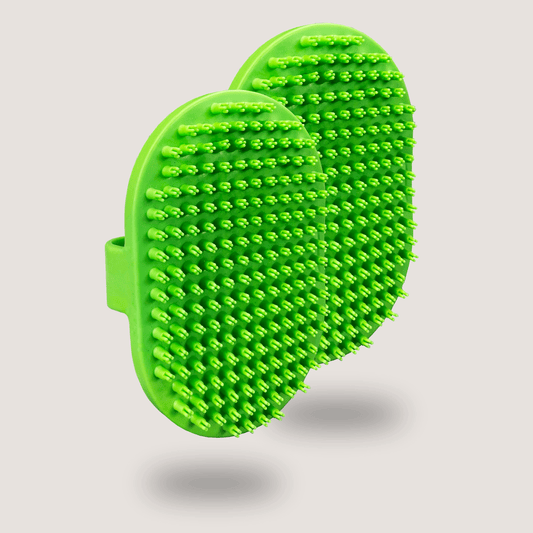
- Pin brush or soft slicker brush
- Stainless-steel grooming comb
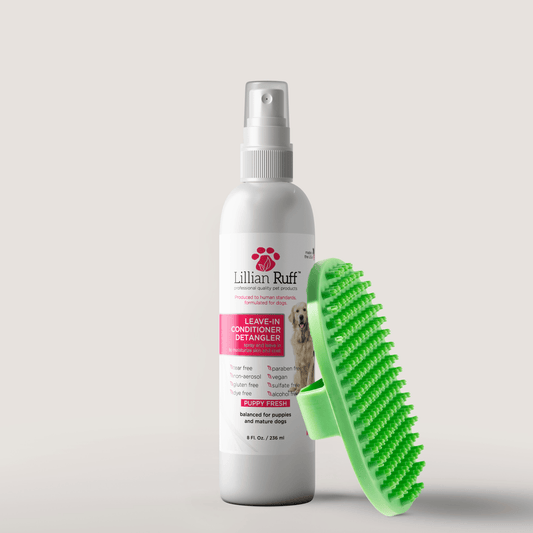
- Dog-safe detangling spray
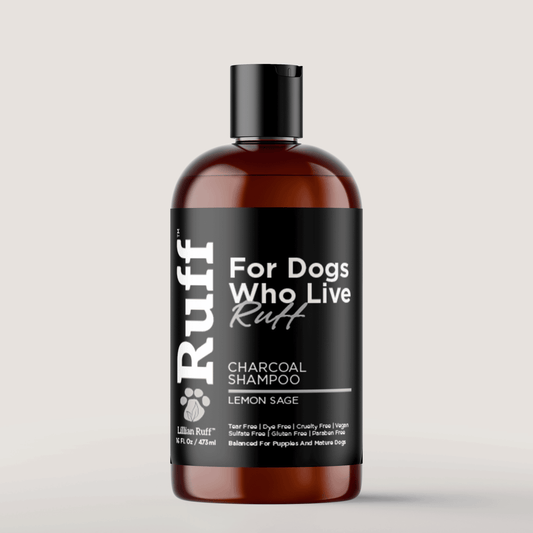
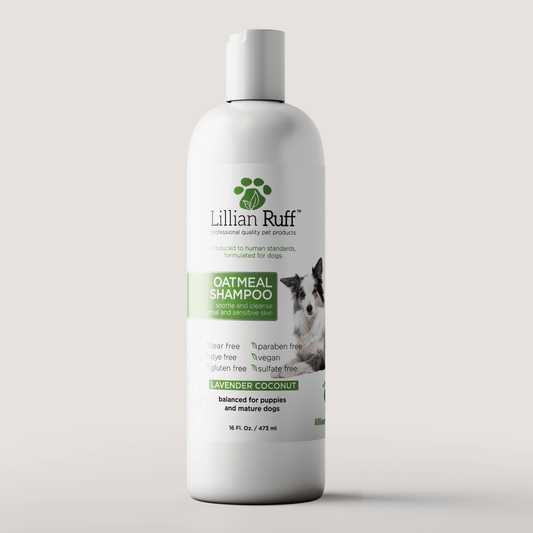
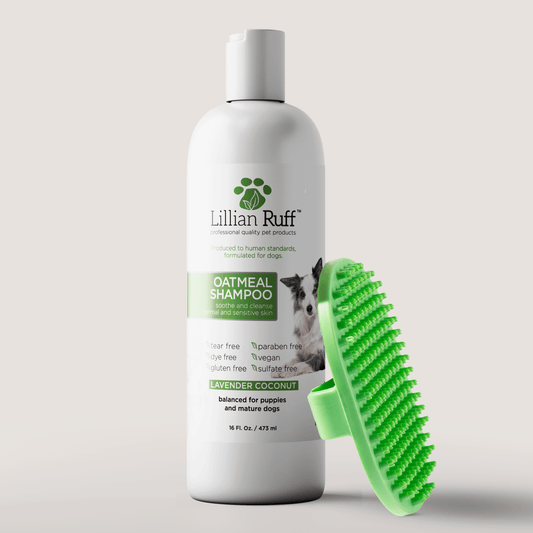
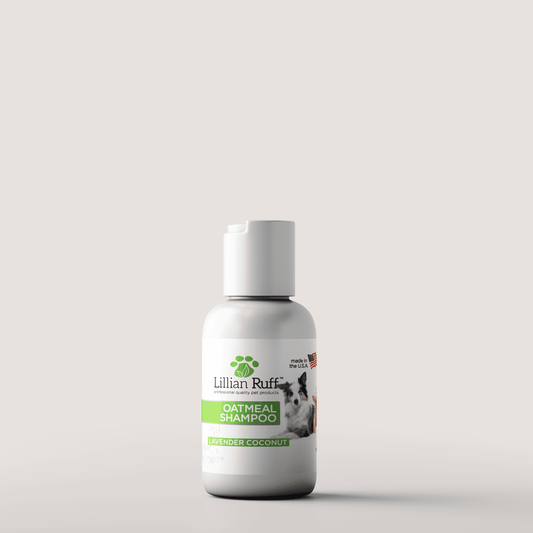
- Gentle, pH-balanced dog shampoo
- Moisturizing dog conditioner
- Soft facial washcloths
- Absorbent towels
- Non-slip bath mat
- Low-heat pet dryer
- Blunt-tip grooming scissors
- Dog ear-cleaning solution
- Dog nail clippers or nail grinder
- Treats for positive reinforcement
Inspect the Skin and Coat
Before brushing or bathing, examine your Shih Tzu’s coat and skin. Check behind the ears, beneath the collar, under the front legs, around the tail, inside the legs, and between the toes.
Look for mats, redness, bumps, dry patches, hair loss, fleas, trapped moisture, or signs of excessive scratching.
Seek veterinary guidance if you notice persistent irritation, broken skin, swelling, discharge, or a strong odor.
Check the Coat for Mats
Run your fingers gently through the coat to locate knots and mats before brushing. Shih Tzus commonly develop tangles where the hair experiences friction or retains moisture.
Pay particular attention to these mat-prone areas:
Water can cause existing mats to tighten and become more difficult to remove.
Mist and Brush the Coat
Lightly mist the coat with a dog-safe detangling spray before brushing. Brushing completely dry hair too aggressively may create static, increase breakage, and make grooming uncomfortable.
Divide the coat into small sections. Begin near the ends and gradually work toward the roots. Support the hair close to the skin with one hand to reduce pulling while brushing with the other.
After brushing each section, use a stainless-steel comb. It should move from the skin to the ends without catching.
Use Line Brushing for Longer Coats
Line brushing helps you reach the entire coat instead of smoothing only the outer layer.
- Have your Shih Tzu sit or lie in a comfortable position.
- Part a narrow section of hair near the lower body.
- Lightly mist the exposed section with detangling spray.
- Brush from the roots toward the ends.
- Create another narrow part above the first section.
- Continue working upward until the entire area has been brushed.
Use the metal comb afterward to find tangles hiding close to the skin. Shih Tzu coats are talented little liars.
Clean the Face and Eye Area
Food residue, tears, moisture, and dirt can collect around a Shih Tzu’s eyes, muzzle, and beard. Use a clean, soft cloth dampened with lukewarm water to gently wipe the face.
Use a separate section of cloth for each eye and wipe away from the eye rather than toward it. Do not rub the eyeball or attempt to remove hardened debris forcefully.
Contact your veterinarian if you notice redness, swelling, squinting, thick discharge, or a sudden increase in tearing.
Secure or Trim Long Facial Hair
Long hair that falls into the eyes can cause irritation and collect moisture. Many Shih Tzu owners use a topknot or maintain shorter hair around the eyes and muzzle.
If you use a topknot, choose a soft, snag-free grooming band. Do not pull the hair too tightly, and reposition it regularly to reduce tension and breakage.
Close trimming should be attempted only when your dog is calm and you are comfortable handling grooming scissors. A professional groomer can safely shape the face when you are unsure.
Prepare the Bath
Place a non-slip mat in the tub or sink and use lukewarm water. Keep shampoo, conditioner, washcloths, and towels within reach before bringing your dog into the bathing area.
Shih Tzus have short muzzles, so avoid spraying water directly toward the face, nose, or ears. Clean the facial area separately with a damp washcloth.
Wet and Shampoo the Coat
Wet your Shih Tzu from the neck down using a gentle sprayer or cup. Work your fingers through the coat so the water reaches the skin beneath the hair.
Massage dog shampoo gently through the coat using your fingertips. Work in the direction of hair growth rather than rubbing, twisting, or bunching the hair together. Rough washing can create additional tangles.
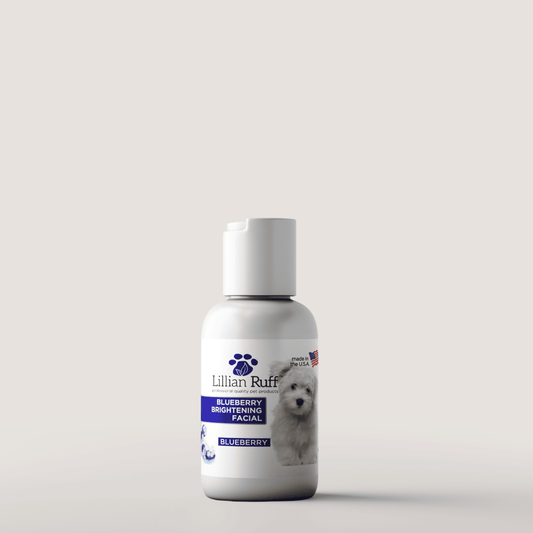
Focus on the chest, stomach, legs, paws, rear area, and beneath the ears. Use a gentle face wash or damp cloth around the muzzle and eye area.
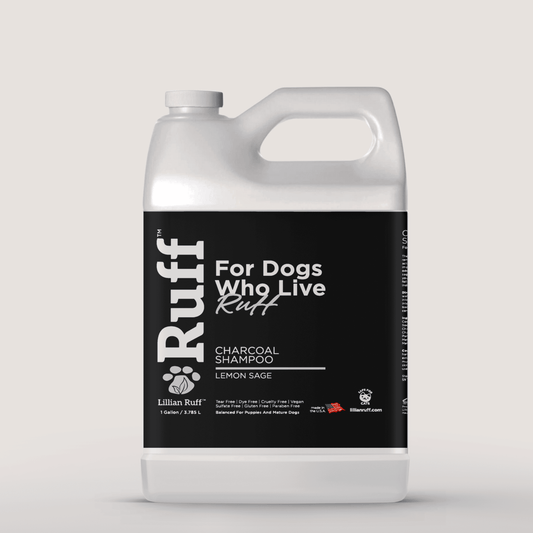
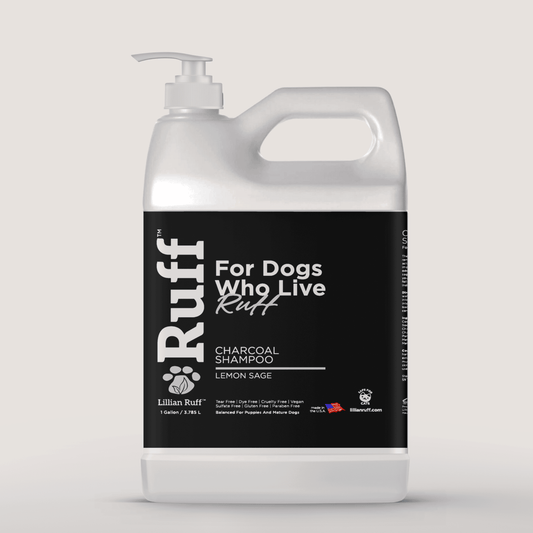
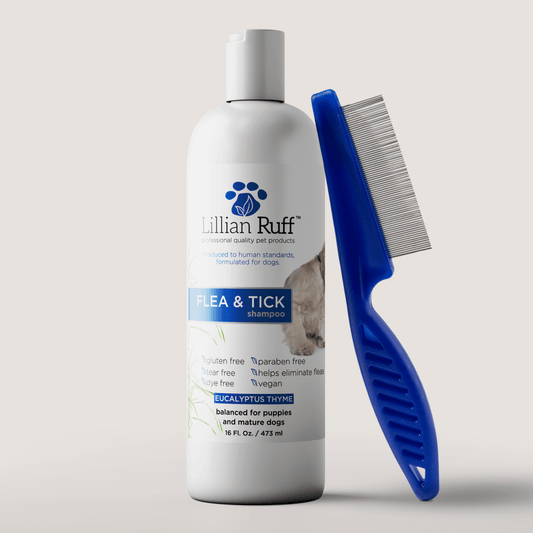
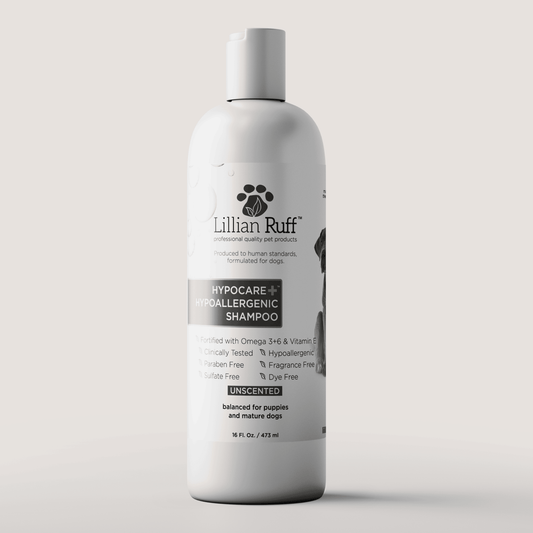
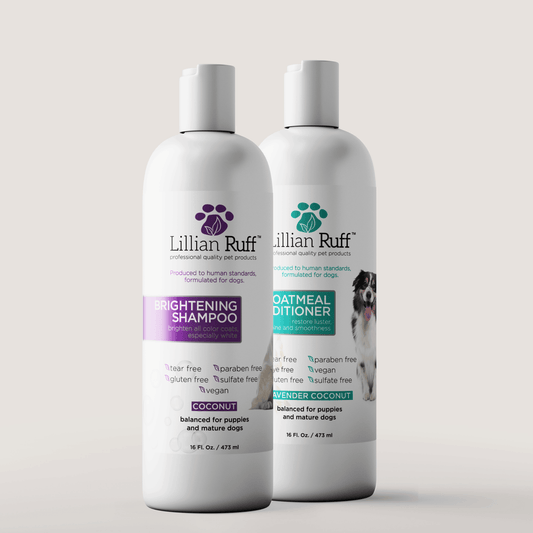
Choose a Formula for a Long, Fine Coat
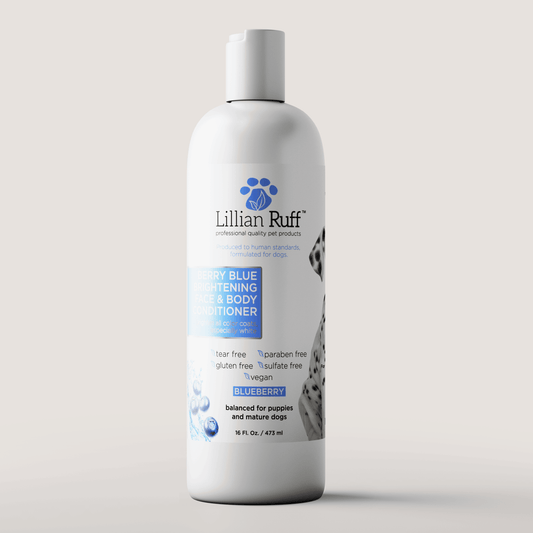
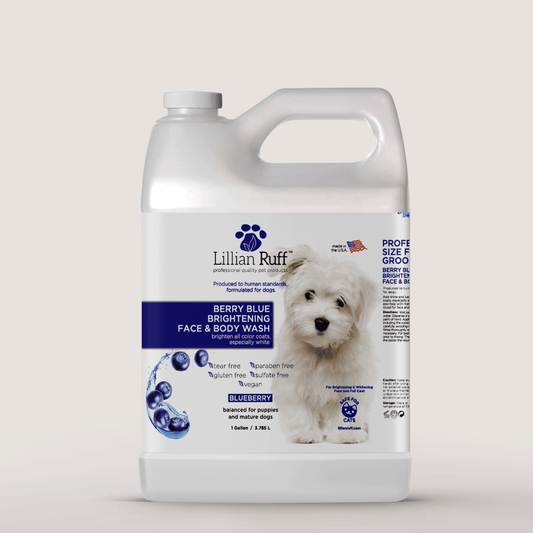
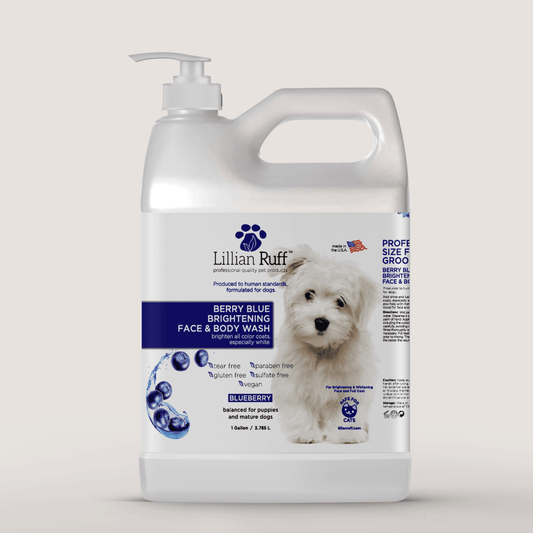
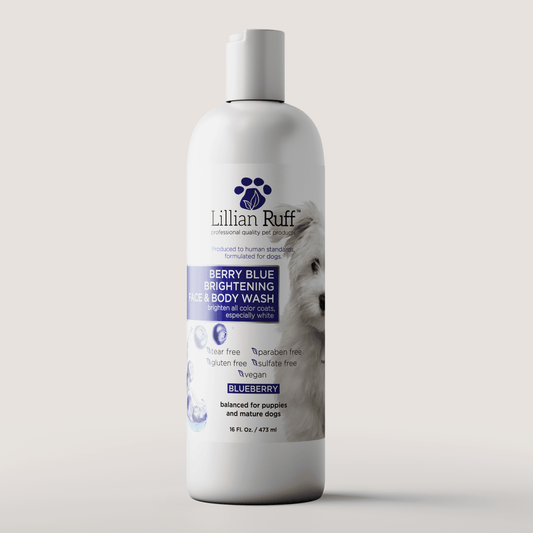
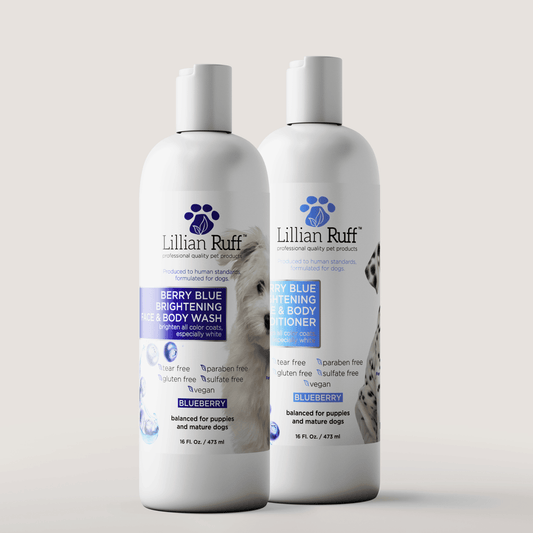
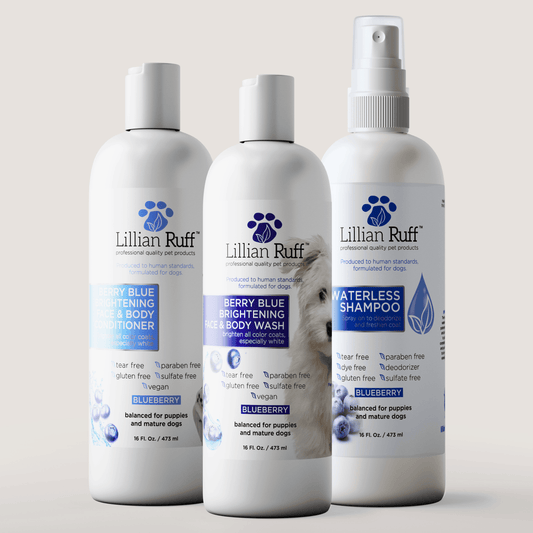
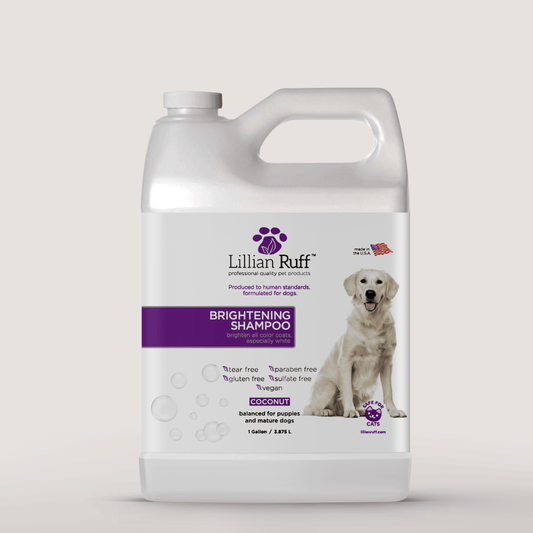
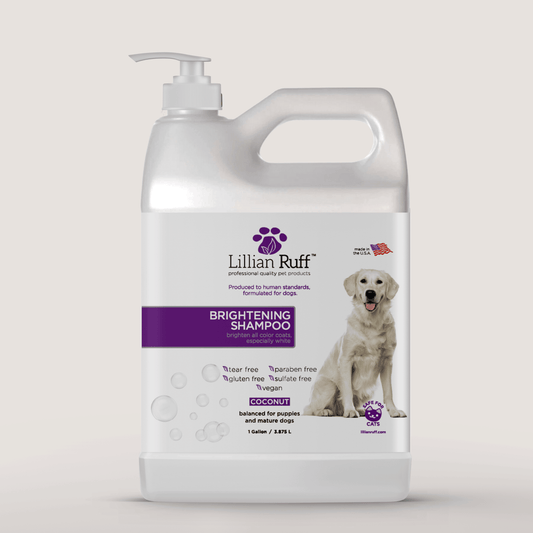
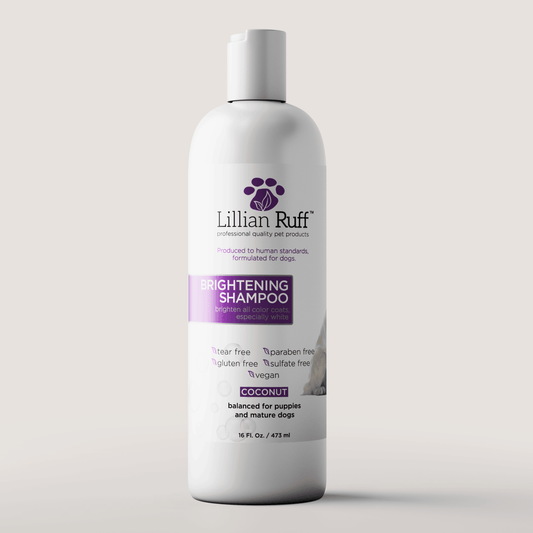
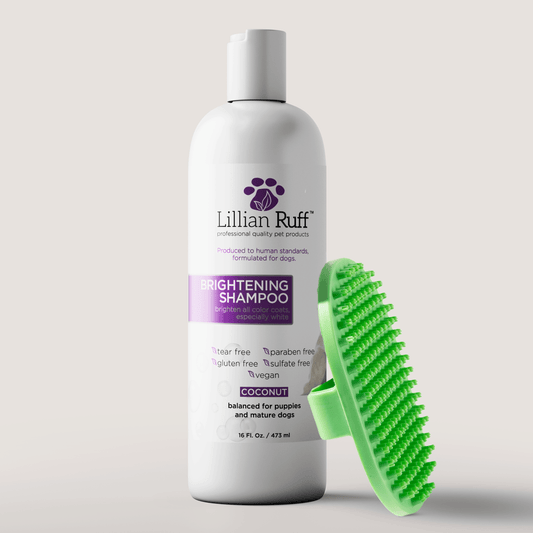
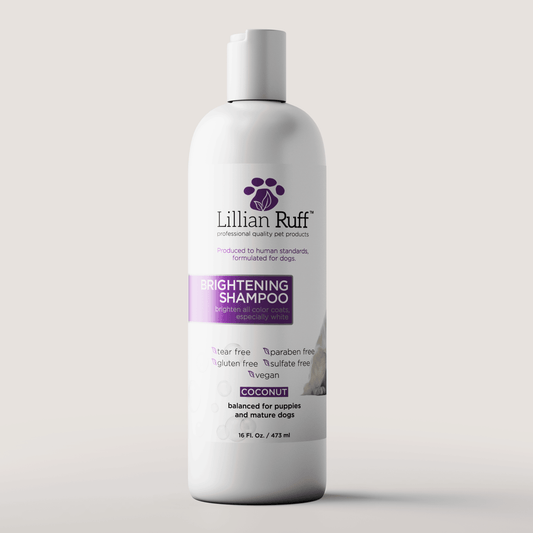
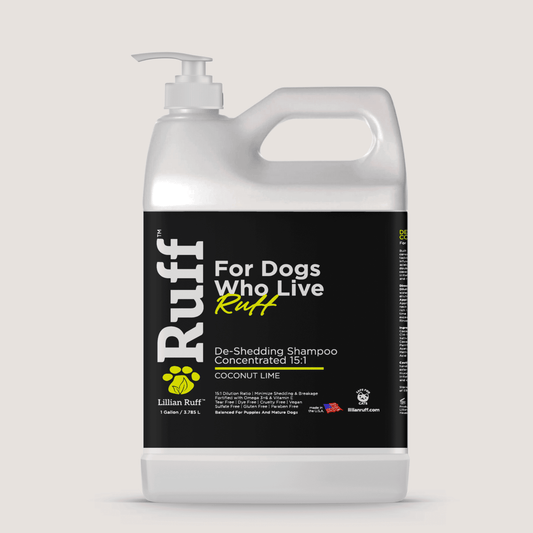
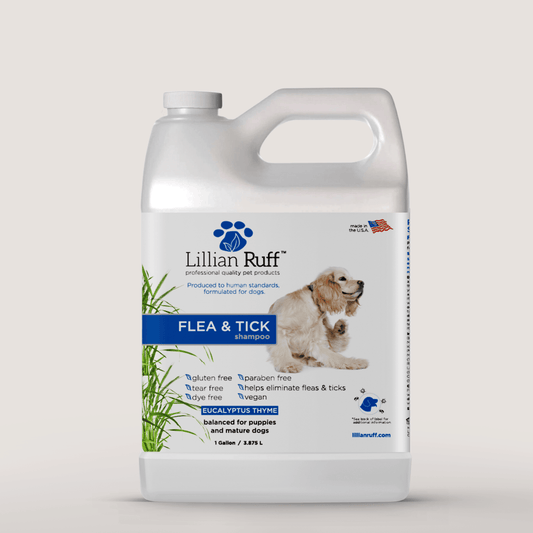
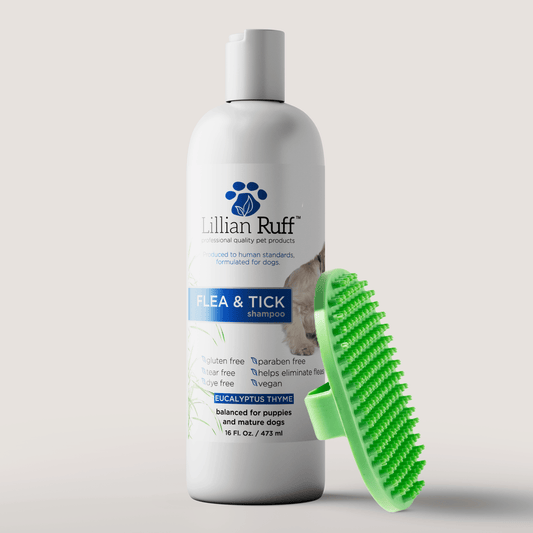
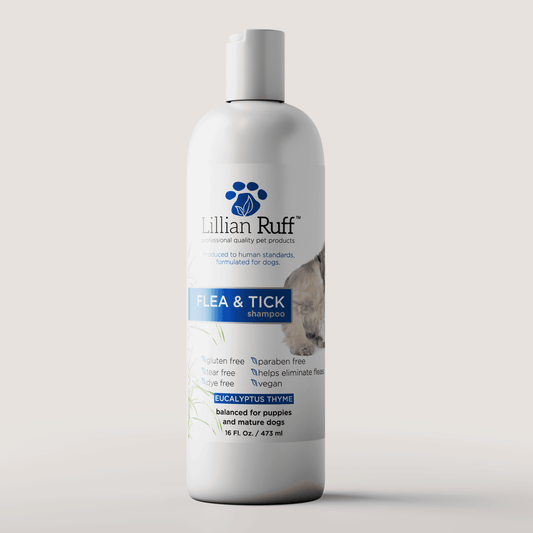
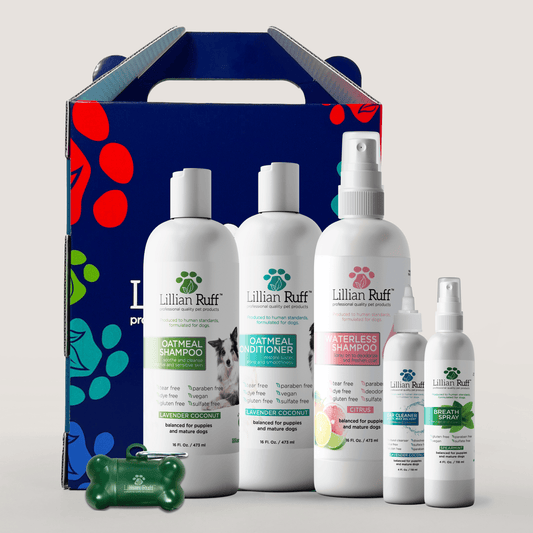
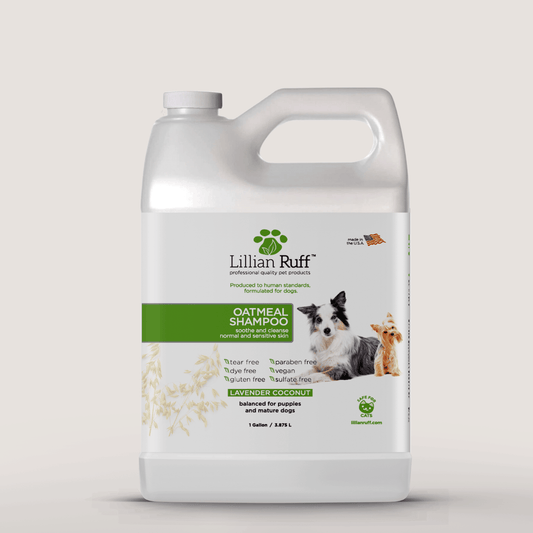
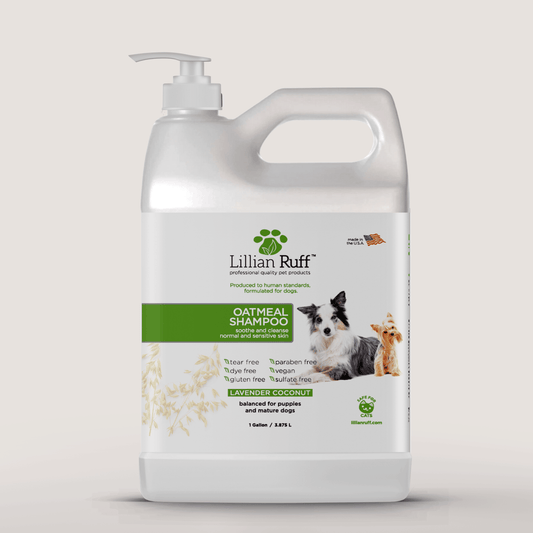
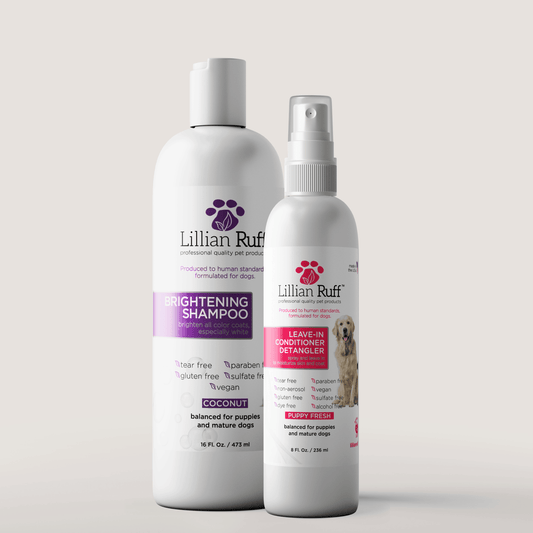
Explore moisturizing, brightening, and detangling options suited to your Shih Tzu’s coat and skin needs.
Rinse Thoroughly
Rinse until the water runs clear and the coat no longer feels slick. Because a Shih Tzu’s coat can be dense, shampoo may remain close to the skin if rinsing is rushed.
Pay particular attention to the chest, stomach, legs, underarms, paws, and areas beneath the ears.
Shampoo left behind may contribute to itching, dryness, and a dull-looking coat.
Apply Conditioner
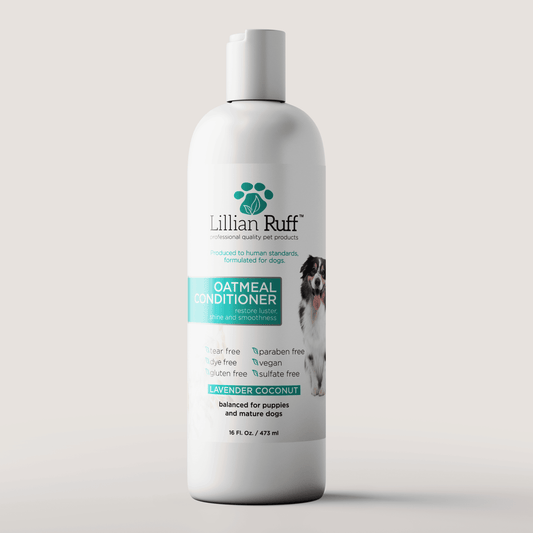
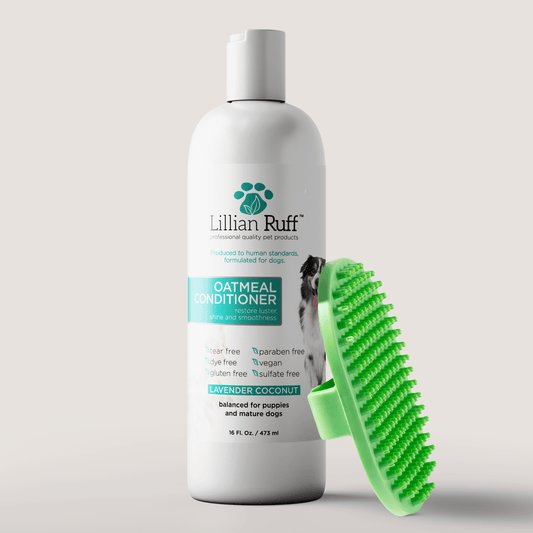
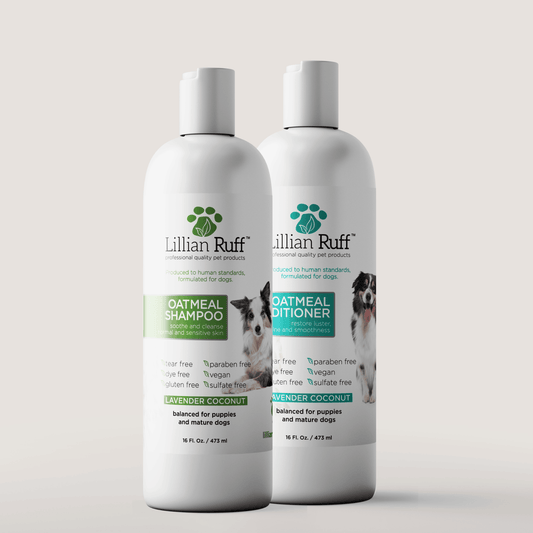
Apply a dog-safe conditioner according to the product instructions. Conditioner can help reduce friction, improve manageability, and make the coat easier to brush after bathing.
Distribute it gently through the coat without twisting or scrubbing the hair. Focus on the longer areas most likely to tangle, and rinse thoroughly unless the product is specifically formulated as a leave-in conditioner.
Make Detangling Easier
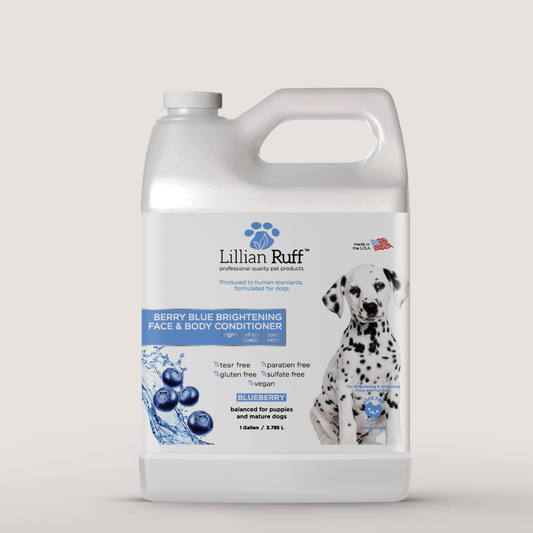
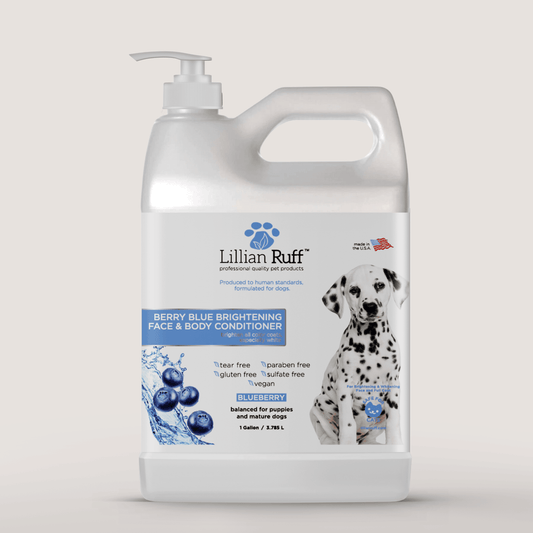
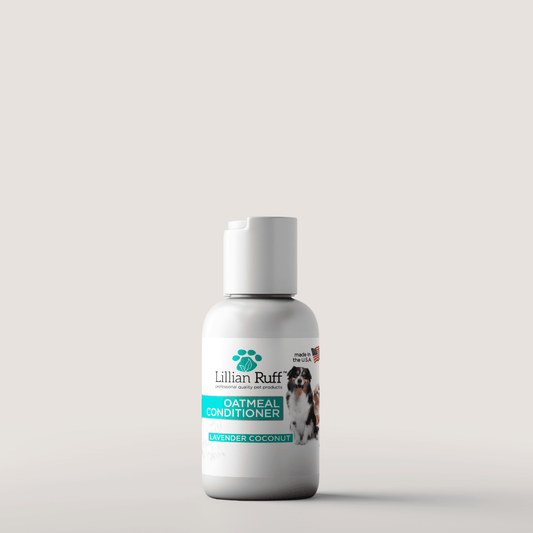
A moisturizing conditioner can support a softer, more manageable coat after bath time.
Towel-Dry Without Creating Tangles
Gently squeeze excess water from the coat and press an absorbent towel against the hair. Avoid rubbing your Shih Tzu vigorously with the towel.
Rough towel drying can twist fine hair together and create new tangles. Wrap your dog in a dry towel and press gently until the coat is no longer dripping.
Blow-Dry and Brush the Coat
Use a pet dryer on a cool or low-warm setting while brushing the coat in small sections. Keep the dryer moving and avoid directing concentrated heat toward the skin, face, or ears.
Brush from the roots toward the ends as each section dries. Make sure the hair is completely dry, particularly near the skin, beneath the ears, under the legs, and around the feet.
Leaving the coat damp may contribute to tangles, odor, and skin irritation.
Comb the Coat After Drying
Once the coat is dry, use a metal comb to check the entire body. The comb should move smoothly from the skin to the ends.
Recheck behind the ears, beneath the collar, under the front legs, inside the rear legs, around the tail, and between the toes.
Apply a small amount of detangling spray and work through the knot gently rather than pulling forcefully.
Trim the Paw and Sanitary Areas
Hair between the paw pads can collect dirt and reduce traction on smooth floors. Hair around the sanitary areas may also require regular maintenance to help keep your Shih Tzu clean.

Use blunt-tip scissors or pet clippers only when your dog is calm and still. Keep grooming tools positioned carefully away from skin folds and sensitive areas.
Owners without clipping experience should leave close paw, face, and sanitary trimming to a professional groomer.
Check and Clean the Ears
Inspect your Shih Tzu’s ears once a week. Their drop ears and surrounding hair can limit airflow and allow moisture or wax to collect.
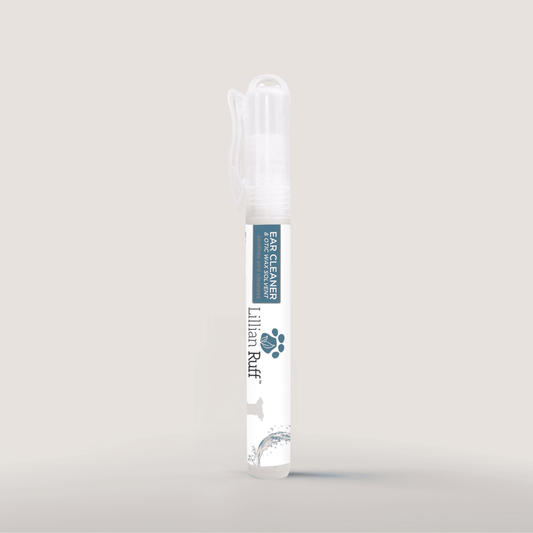
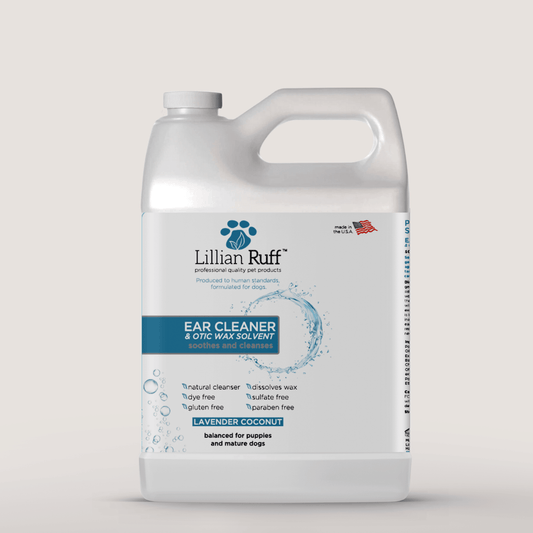
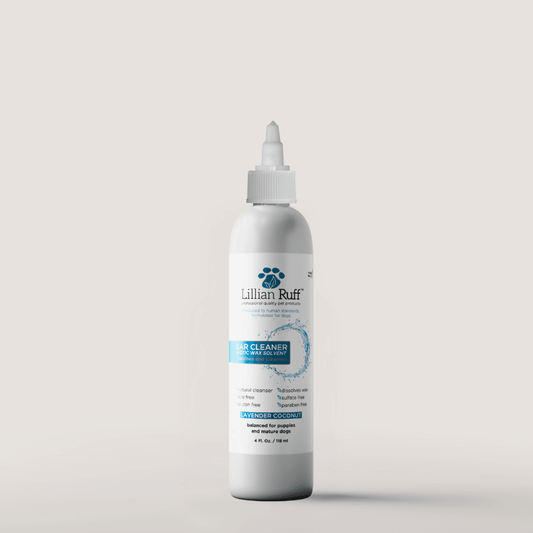
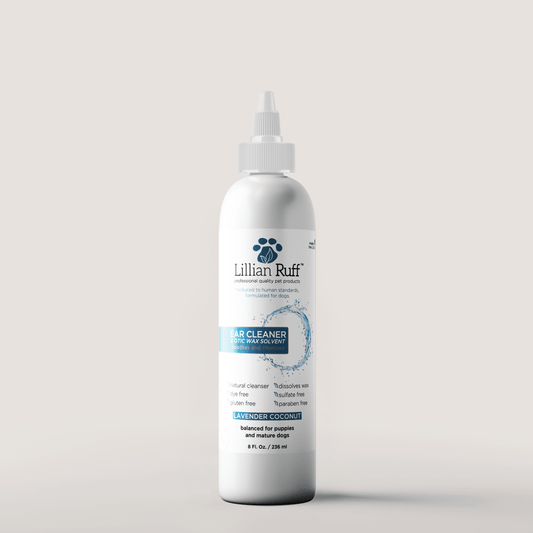
Use a dog-specific ear cleaner according to the label instructions. Wipe only the visible outer ear with a soft cotton pad or cloth. Never push cotton swabs or other objects deep into the ear canal.
Contact your veterinarian if you notice swelling, pain, dark discharge, frequent head shaking, scratching, or a strong odor.
Trim the Nails
Trim your Shih Tzu’s nails approximately every three to four weeks. Long nails may affect balance, posture, traction, and comfort while walking.
Remove only a small amount at a time and avoid cutting into the quick.
Ask a professional groomer or veterinarian for assistance if your dog has dark nails or becomes anxious during nail care.
Freshen the Coat Between Baths
Brush the coat regularly between baths and wipe the face, paws, and beard whenever they become dirty. Addressing minor tangles early can help prevent them from turning into tight mats.
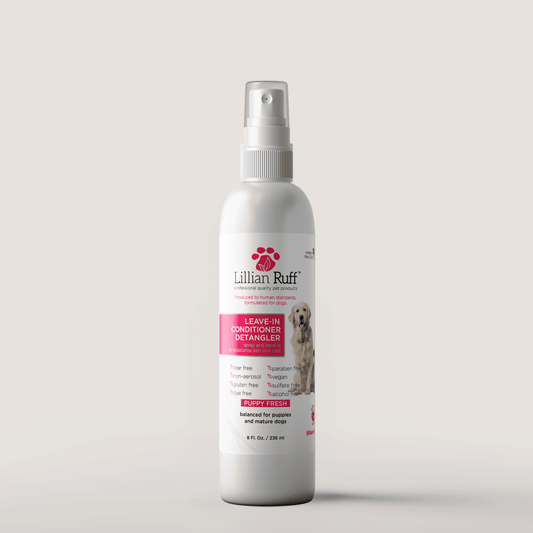
Refresh Without a Full Bath
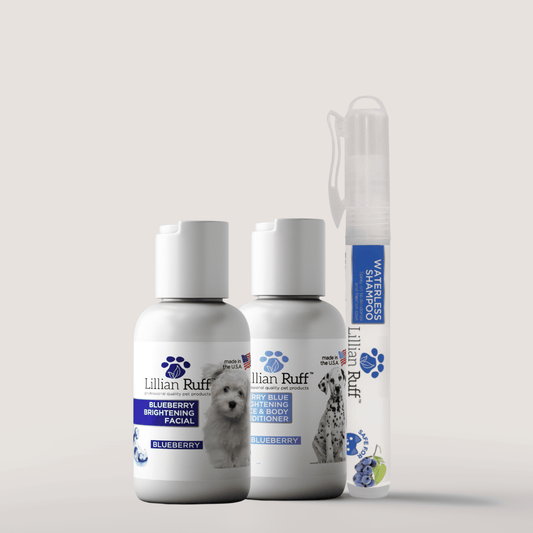
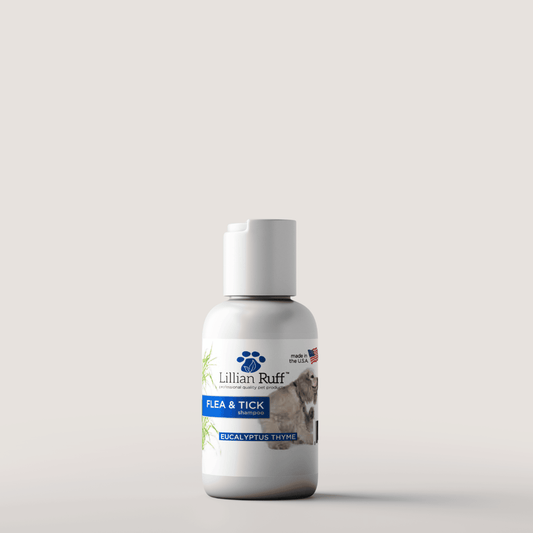
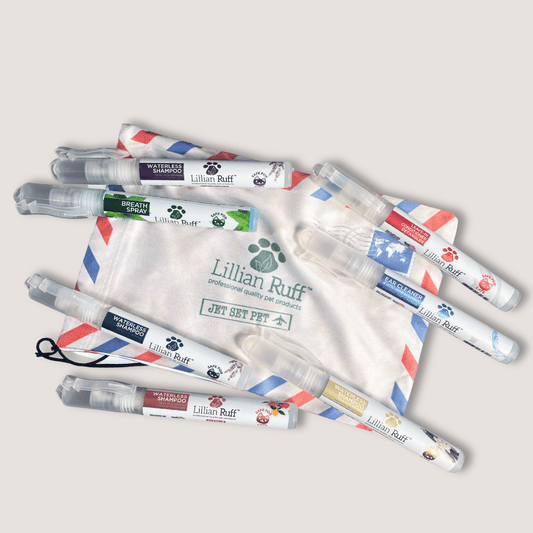
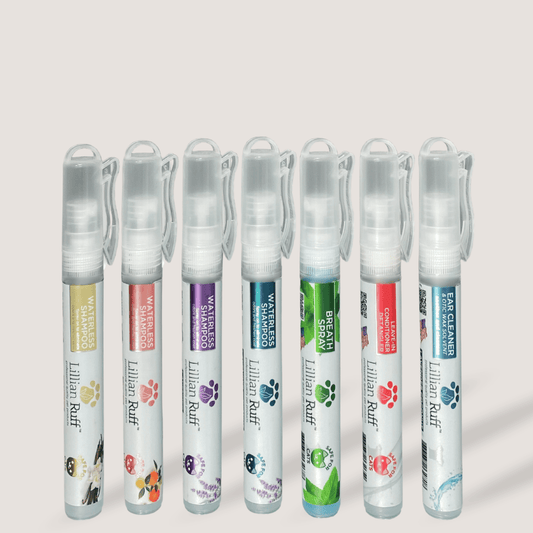
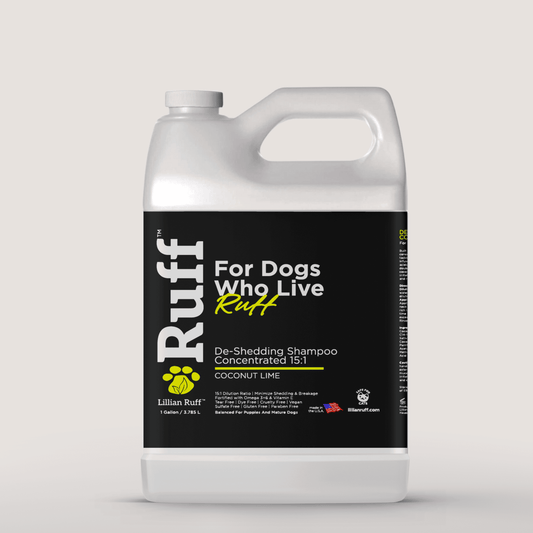
A waterless dog shampoo can help freshen your Shih Tzu’s coat, beard, paws, and longer furnishings between full baths.
Common Shih Tzu Grooming Mistakes
- Bathing the coat before removing mats
- Brushing only the outer layer of hair
- Brushing dry hair too aggressively
- Pulling a topknot too tightly
- Rubbing the coat vigorously with a towel
- Leaving the coat damp near the skin
- Failing to rinse shampoo and conditioner completely
- Attempting close facial trimming without experience
Do Shih Tzus Need Professional Grooming?
Recommended Every 4–8 Weeks
Most Shih Tzus benefit from professional grooming for full haircuts, face shaping, paw trimming, sanitary trimming, nail care, and thorough coat maintenance.
A Puppy Cut Still Needs Care
A shorter haircut reduces daily maintenance, but regular brushing, bathing, facial cleaning, ear care, nail trimming, and professional shaping remain necessary.
Frequently Asked Questions
How often should I brush my Shih Tzu?
Long-coated Shih Tzus generally need daily brushing. Dogs with shorter coats may be brushed every one to two days, depending on how quickly tangles develop.
How often should a Shih Tzu be bathed?
Many Shih Tzus can be bathed approximately every three to four weeks. Dogs with medical skin conditions should follow a veterinarian-recommended schedule.
Can I cut my Shih Tzu’s hair at home?
Experienced owners may be able to perform simple maintenance around the paws and body. Close trimming around the eyes, face, ears, and sanitary areas is often safer when performed by a professional groomer.
Why does my Shih Tzu’s coat mat so quickly?
A Shih Tzu’s fine, dense hair can tangle because of friction, moisture, collars, harnesses, missed areas during brushing, and loose hair becoming trapped within the coat.
Should I use conditioner on my Shih Tzu?
A dog-safe conditioner can help reduce friction and improve manageability, especially for Shih Tzus with medium-length or full-length coats.
How can I reduce tear stains on my Shih Tzu?
Keep the area beneath the eyes clean and dry, prevent long hair from rubbing against the eyes, and use a gentle face wash during bath time. Persistent or sudden tear staining should be discussed with your veterinarian.
Keep Your Shih Tzu’s Coat Clean and Manageable
Shih Tzus rely on their owners for regular brushing, detangling, bathing, conditioning, facial cleaning, ear checks, nail trimming, and coat maintenance. A consistent routine can help prevent painful mats while keeping the coat soft, clean, and comfortable.
Explore Lillian Ruff Grooming Products