
How to Groom Your Mini Schnauzers at Home 101: Steps, Tips and More

Miniature Schnauzers are known for their wiry coats and distinctive facial furnishings. Learning how to groom mini schnauzers at home helps manage dirt, oil, and debris around the beard and legs.
A consistent bathing routine keeps your dog clean and comfortable. This guide explains how to groom mini schnauzers at home, from brushing the coat to shampooing and drying.

How Often Should You Groom Mini Schnauzers at Home?
Most Miniature Schnauzers do not need frequent baths, but regular washing manages odor and buildup around the face.
Over-bathing can strip natural oils from the skin, which may lead to dryness or irritation. Balance is key.
A typical coat-care schedule includes:
- Brushing: Two to three times per week to remove loose hair.
- Beard cleaning: Daily or as needed to prevent food buildup.
- Bathing: Approximately every four to six weeks for deep cleaning.
- Paw cleaning: After muddy walks to keep your home clean.
- Ear checks: Once per week to monitor for redness or debris.
You may need to perform maintenance sooner after swimming or playing in mud. Always follow veterinarian advice for specific skin conditions.
Miniature Schnauzer Bathing Supplies
Gather your supplies before starting. This makes the process to groom mini schnauzers at home calm and efficient.
Having everything ready prevents your dog from getting anxious while you search for a missing tool.
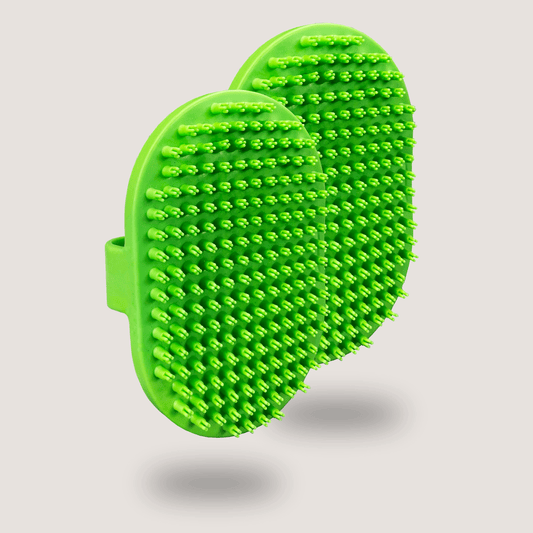
- Slicker brush or pin brush for detangling
- Stainless-steel grooming comb for finishing
- Gentle, pH-balanced dog shampoo
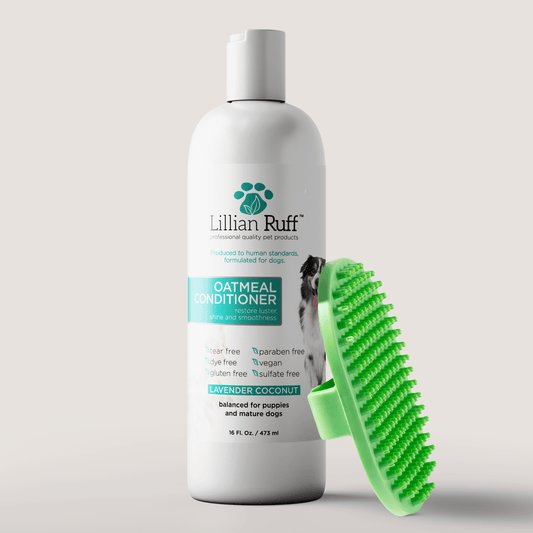
- Dog-safe conditioner to soften the wiry coat
- Soft facial washcloths for the eyes and beard
- Non-slip bath mat for safety
- Handheld sprayer for better reach
- Absorbent towels for quick drying
- Low-heat pet dryer to prevent skin burns
- Dog ear-cleaning solution
- Treats for positive reinforcement
Avoid using human shampoo. These products may be too harsh for a dog’s sensitive skin.
Step 1: Inspect the Skin and Coat
Before bathing, examine the coat and skin. Check the neck, chest, stomach, legs, and beard carefully.
This inspection helps you identify any skin issues before they are exacerbated by water or shampoo.
Look for:
- Red or irritated skin areas
- Dry or flaky patches
- Bumps or hot spots
- Hair loss or thinning
- Fleas or ticks
- Unusual odors or discharge
Contact your veterinarian if you notice swelling. Routine steps to groom mini schnauzers at home cannot treat medical infections.
Step 2: Brush the Coat Before Bathing
Brush your dog to remove loose hair and debris. This prevents tangles from tightening when wet.
Wet mats are much harder to remove and can cause skin irritation during the drying process.
Use a slicker brush and work in the direction of hair growth. Start at the shoulders and move back.
Pay attention to:
- The thick beard
- Behind the ears
- The chest and underbelly
- Under the front legs
- The stomach and hind legs
Use a stainless-steel comb to ensure no tangles remain before you start the bath.
Step 3: Clean Debris From the Beard
The beard collects food and saliva. Before the bath, gently remove any visible debris.
This ensures the shampoo can reach the skin and hair more effectively without being blocked by residue.
Use a damp washcloth to soften dried food, then comb carefully. This prevents pulling during the wash.
Avoid scrubbing aggressively. Soften material gradually with lukewarm water for the best results.
Step 4: Prepare a Safe Bathing Area
Place a non-slip mat in the tub for secure footing. Keep all supplies within easy reach.
A secure footing reduces stress for the dog and prevents accidental slips in the tub.
Use lukewarm water. Use treats for positive reinforcement if your dog is nervous or anxious.
Step 5: Wet the Coat Thoroughly
Wet the dog from the neck down. Work fingers through the coat to reach the skin.
Water must penetrate the thick outer coat to ensure a deep clean of the undercoat.
Focus on the chest, stomach, and paws. Ensure the thick undercoat is completely saturated.
Avoid spraying water into eyes, nose, or ears. Clean the face separately with a washcloth.
Step 6: Apply Dog Shampoo
Massage gentle shampoo through the coat. Work in sections for even coverage across the body.
The massage action helps loosen trapped dirt and stimulates the skin for better health.
Focus on the neck, chest, stomach, legs, and hindquarters where dirt collects most.
Use steady, gentle pressure. Do not scratch the skin with fingernails during the massage.
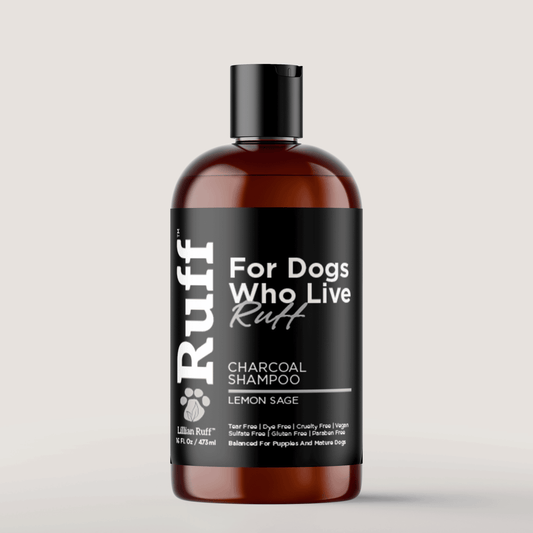
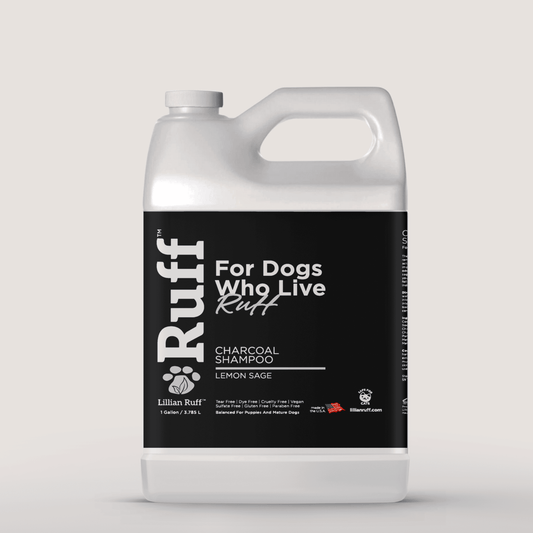
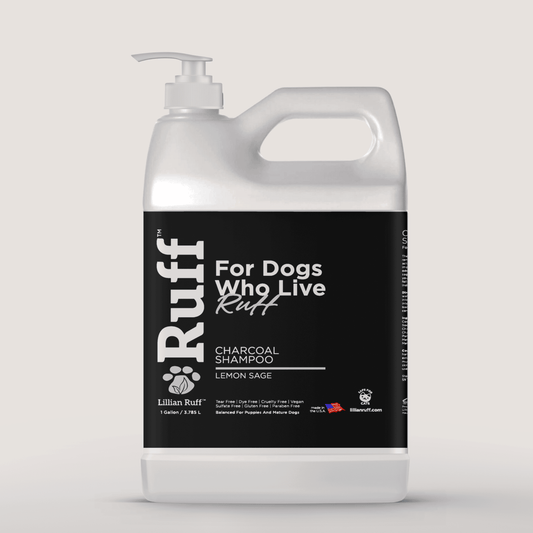
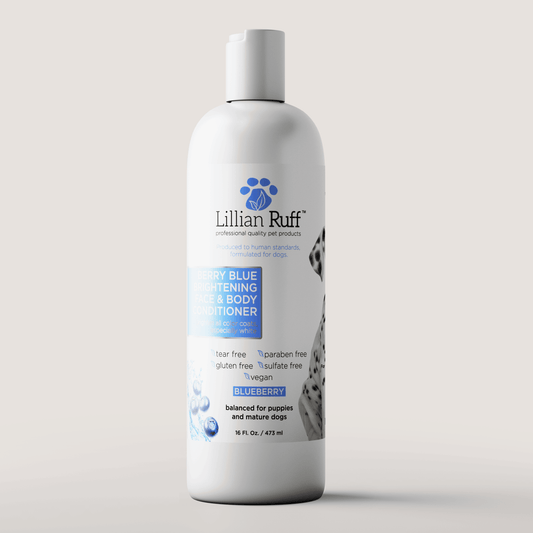
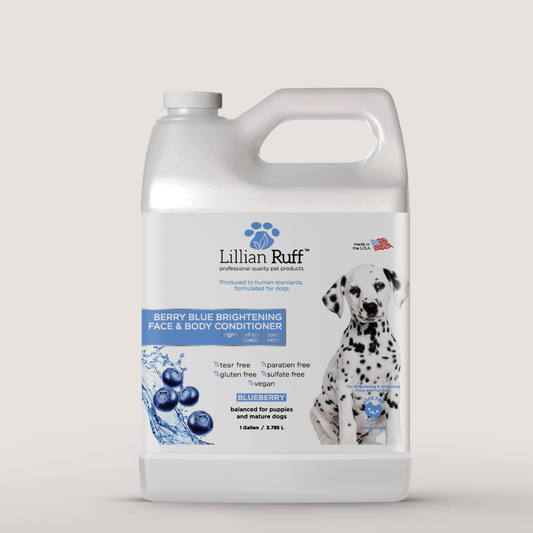
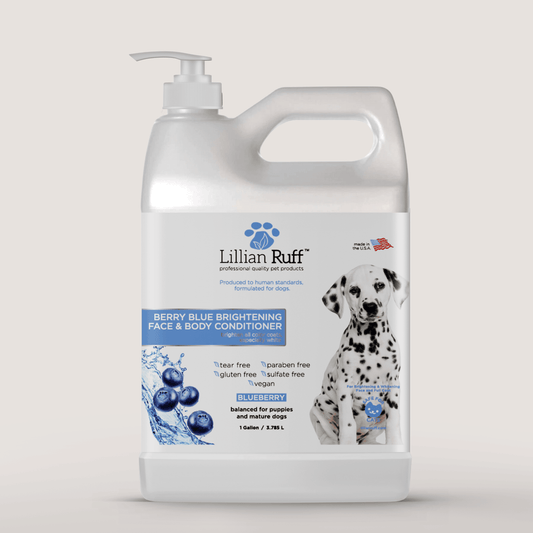
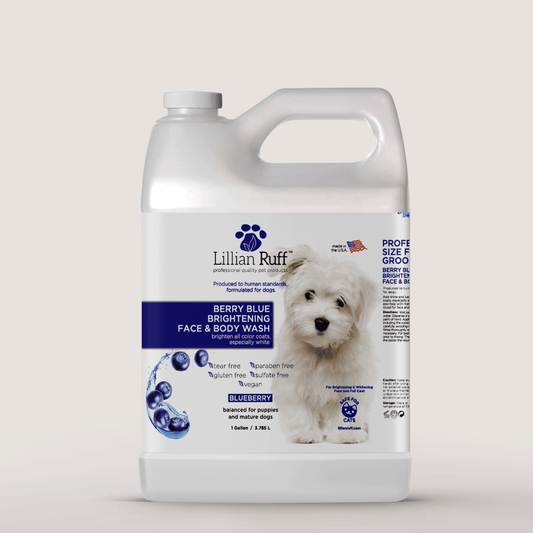
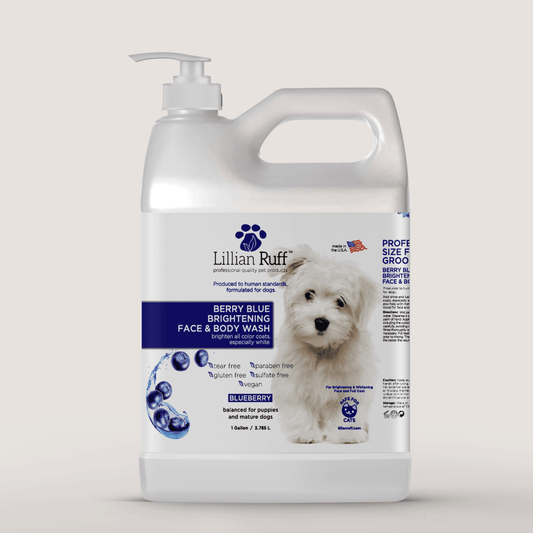
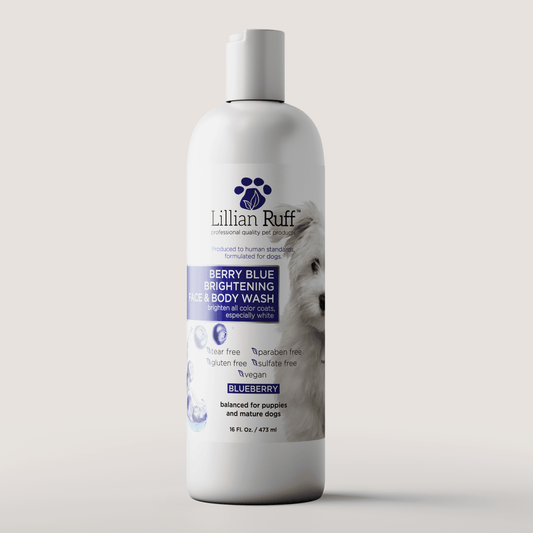
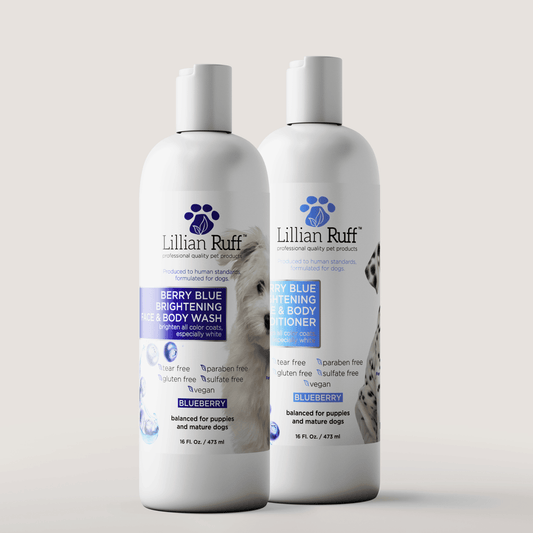
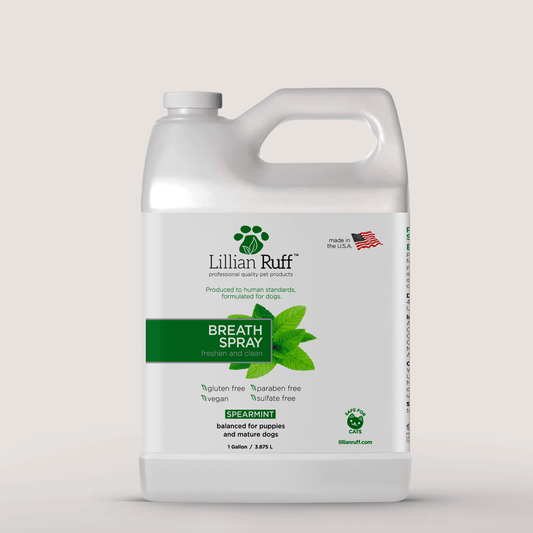
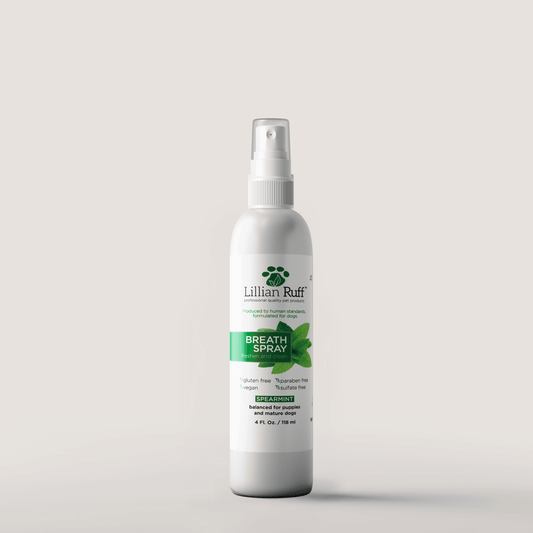
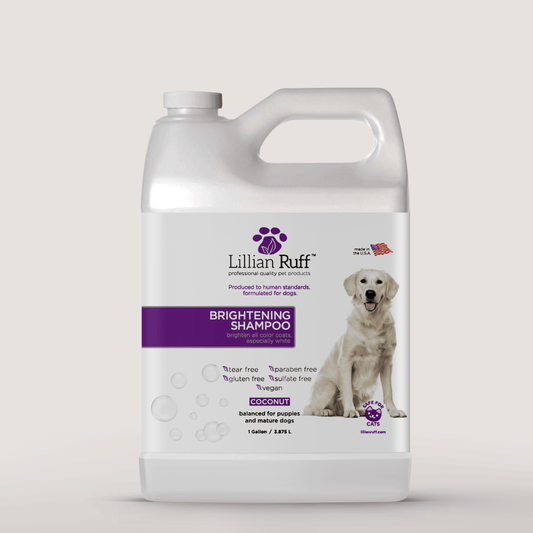
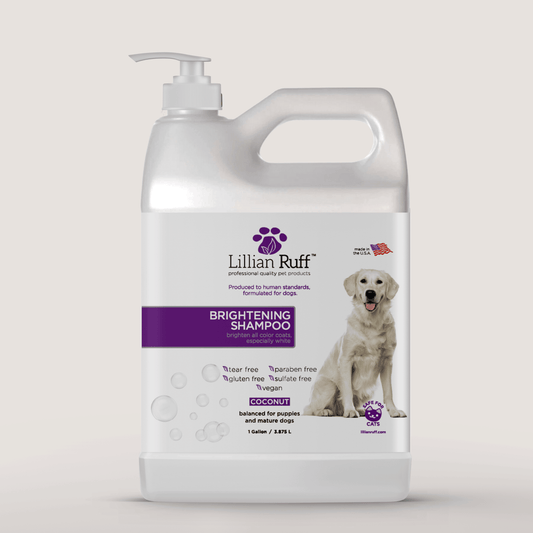
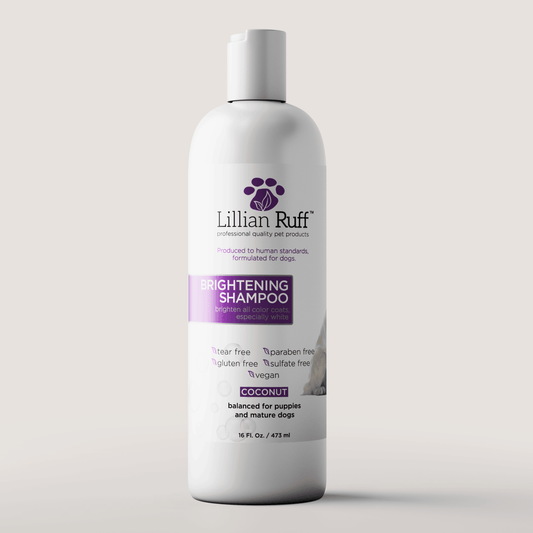
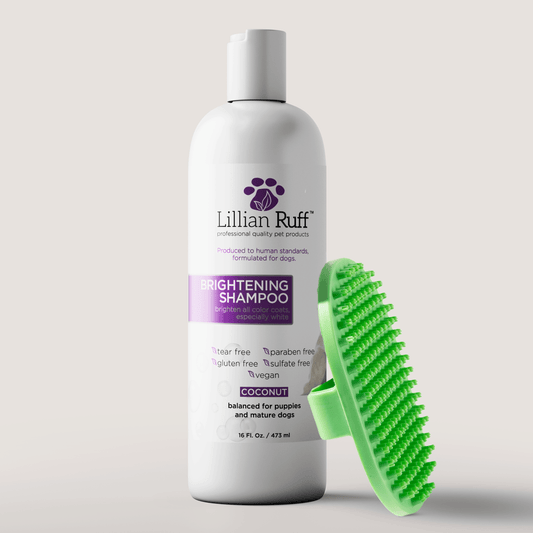
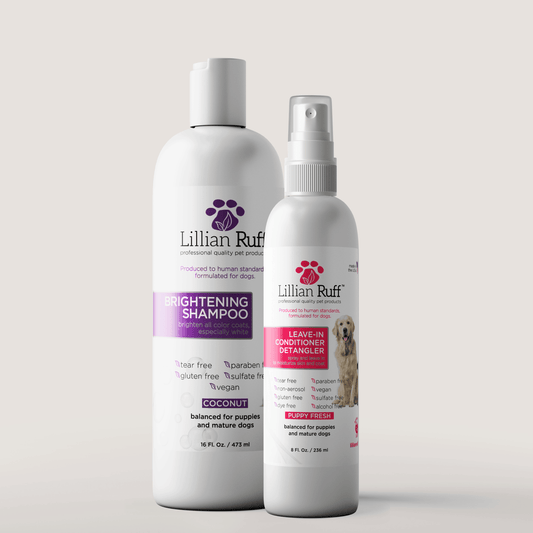
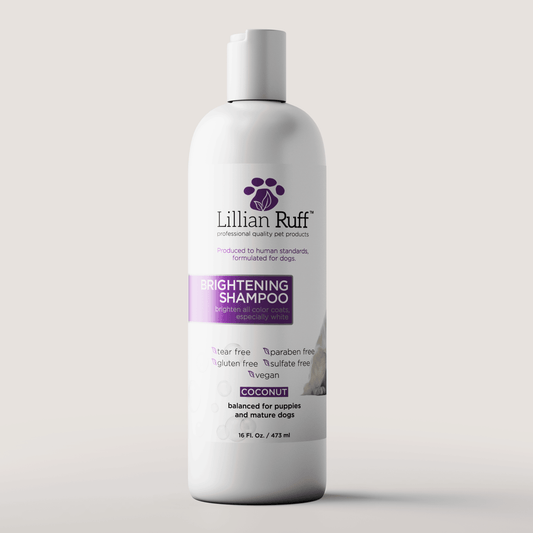
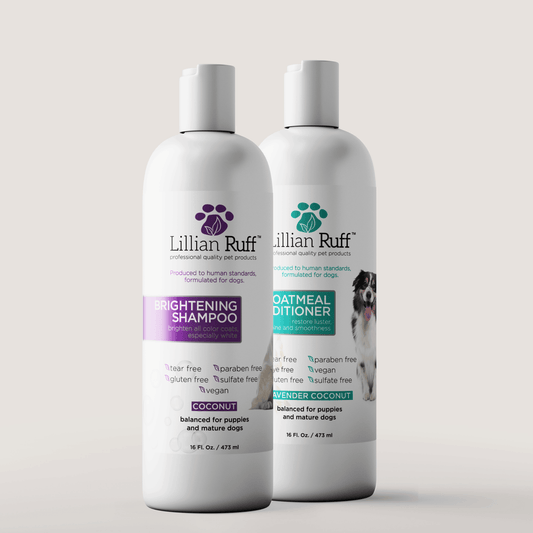
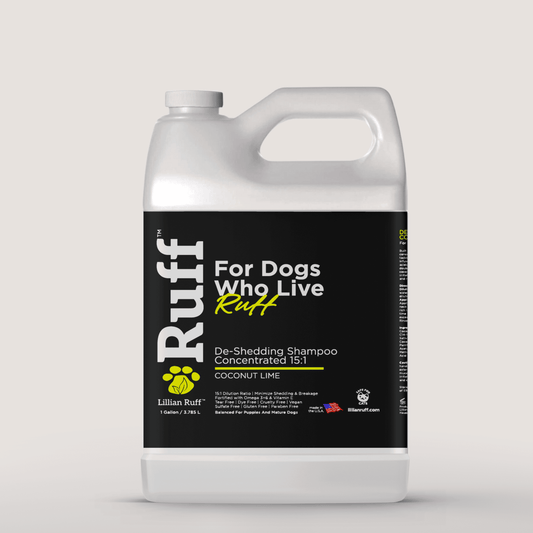
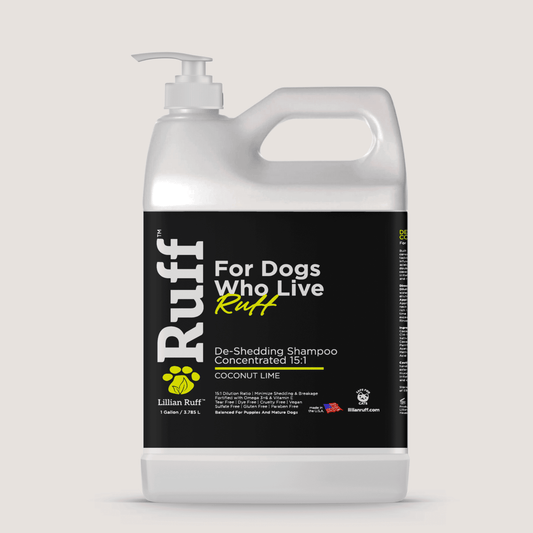
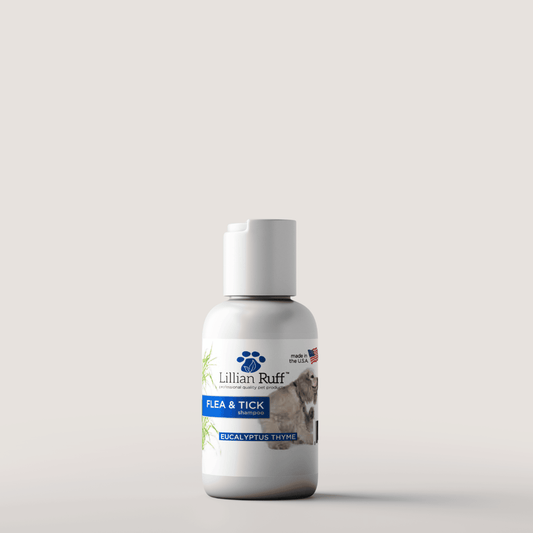
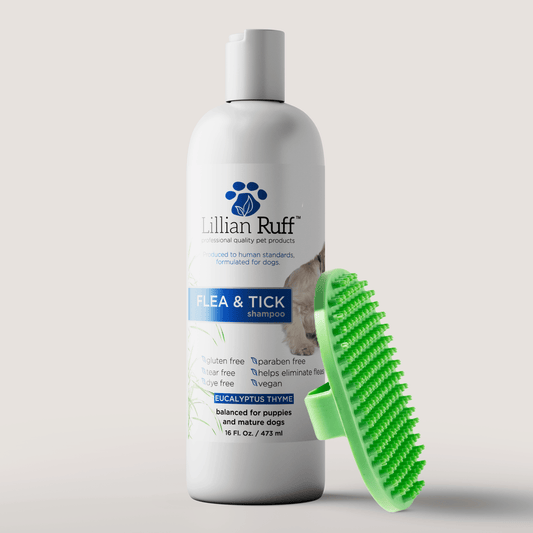
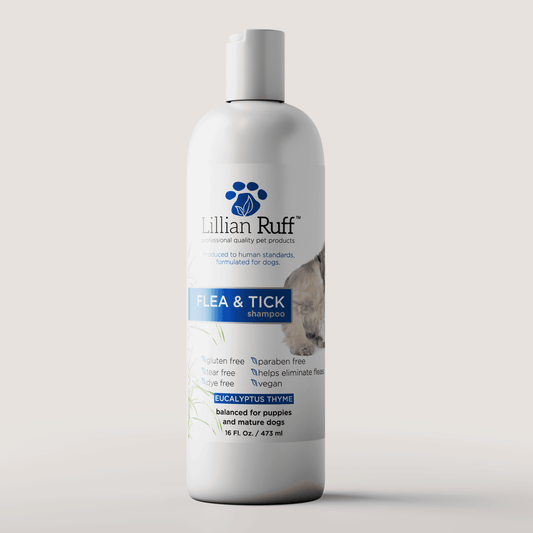
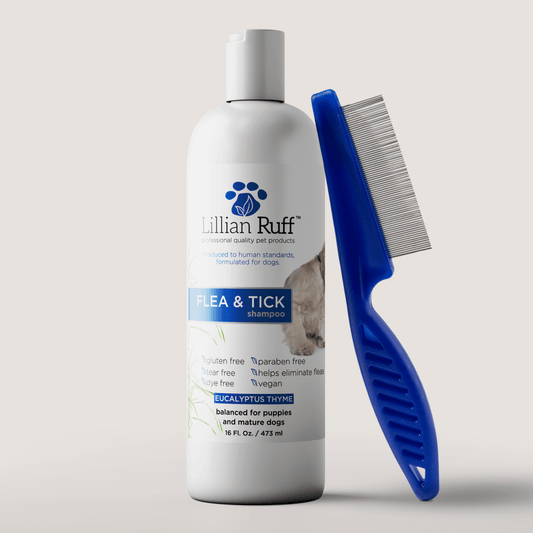
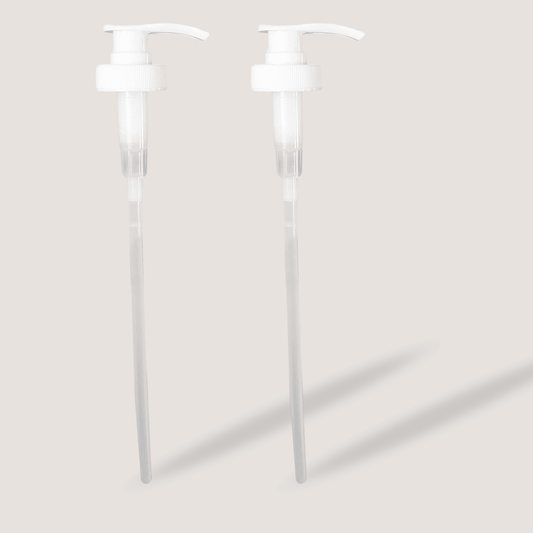
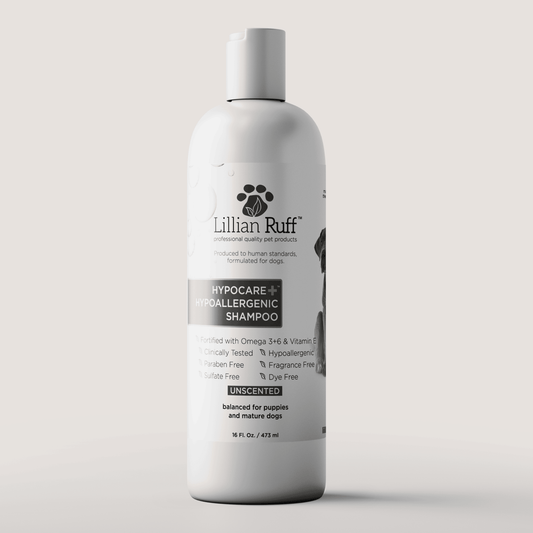
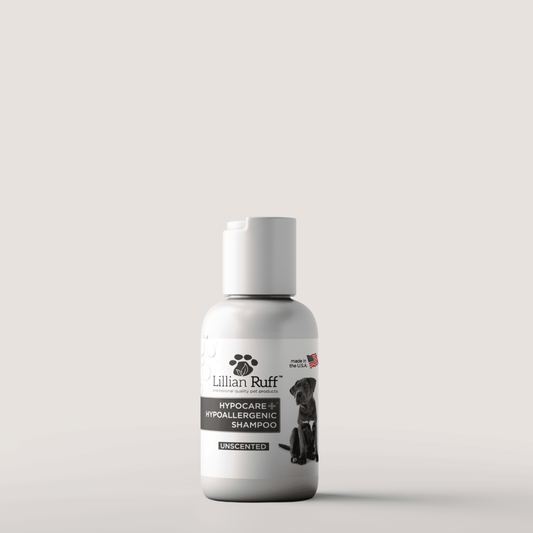
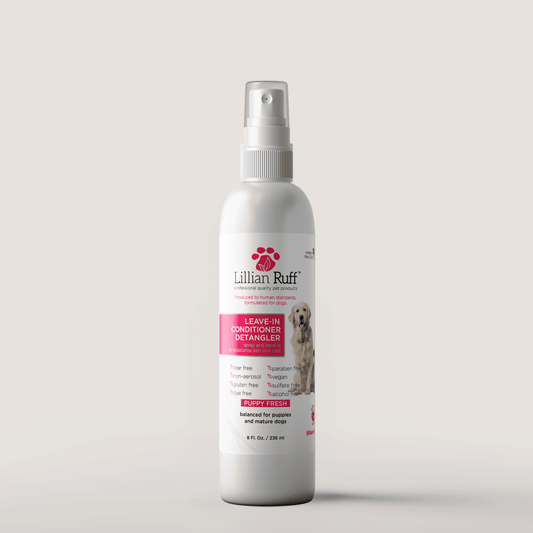
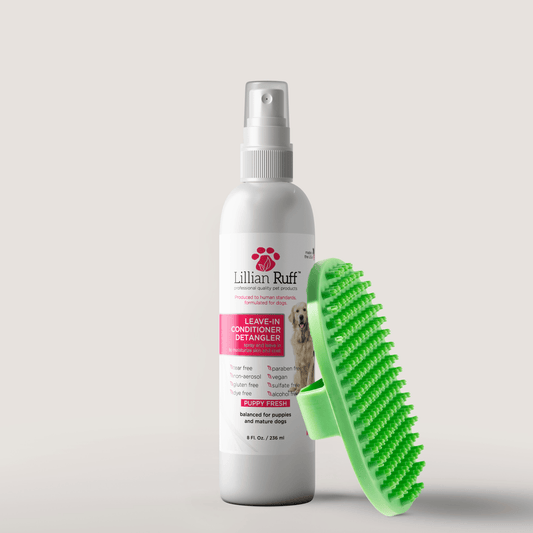
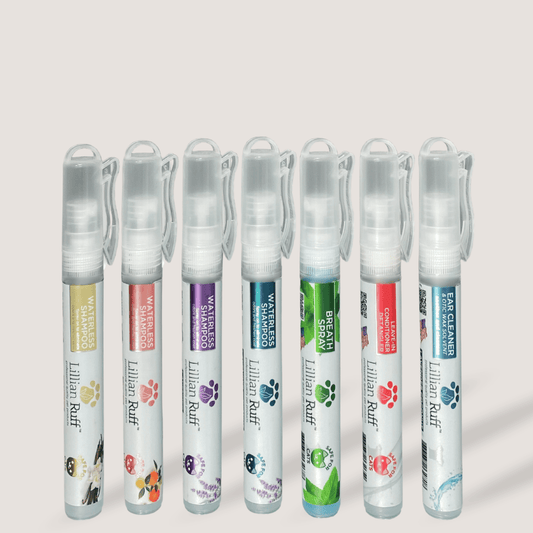
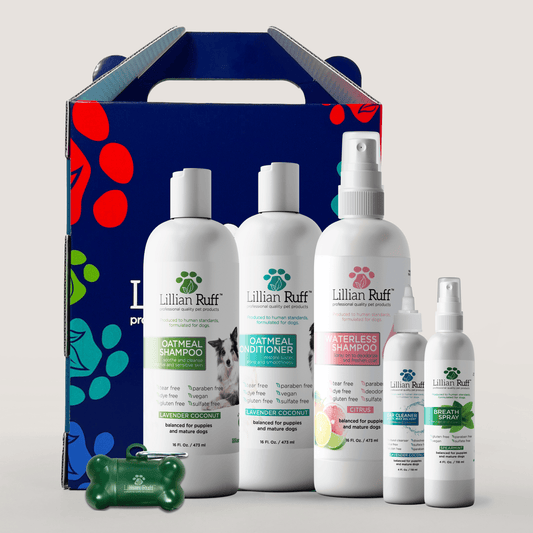
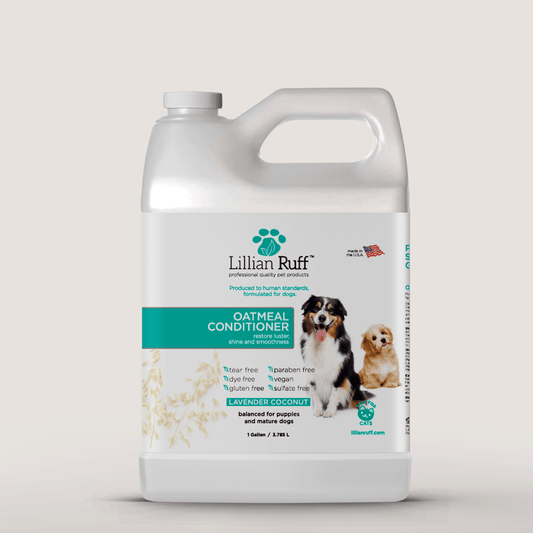
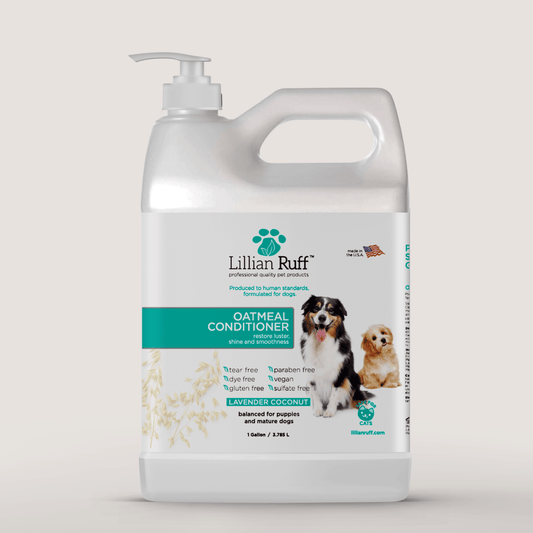
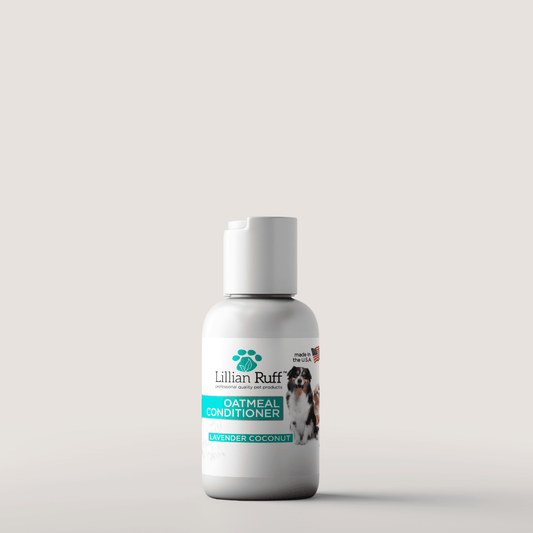
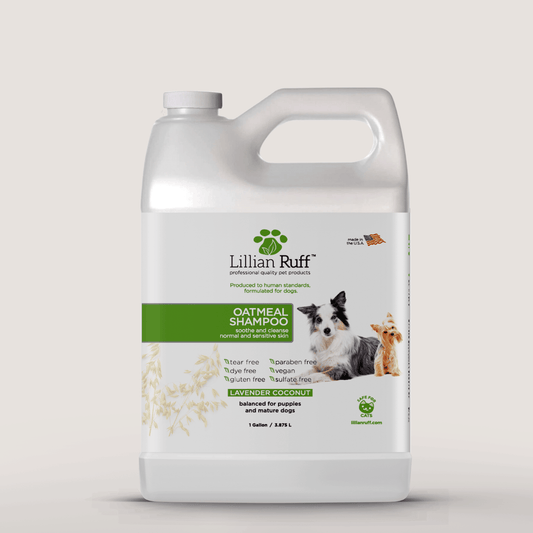
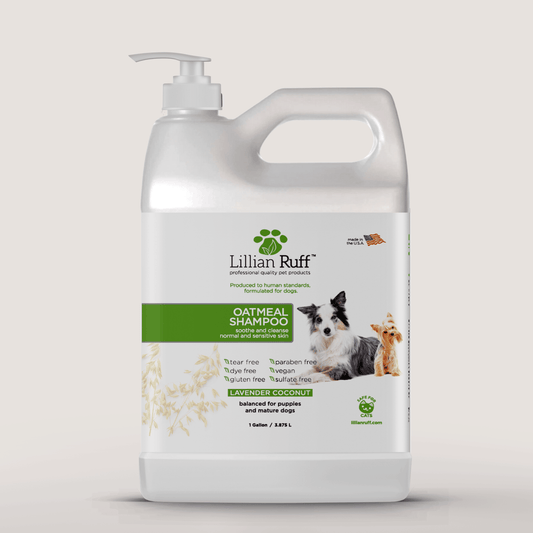
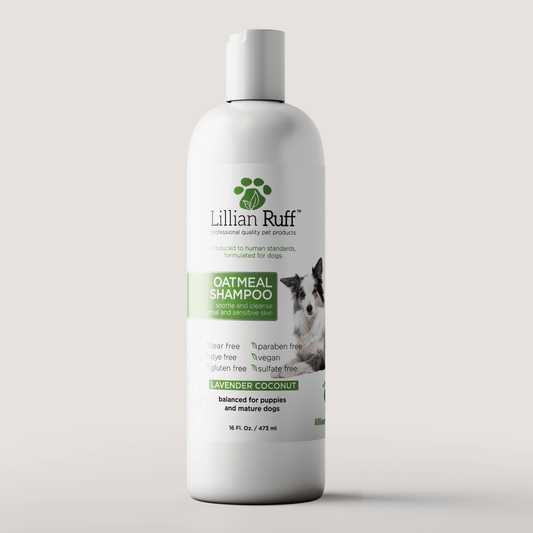
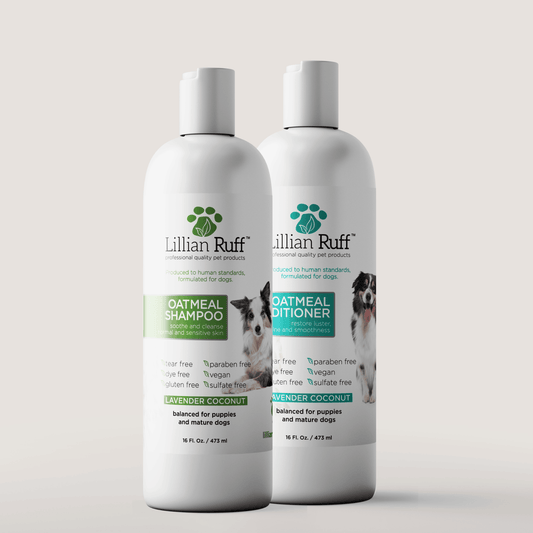
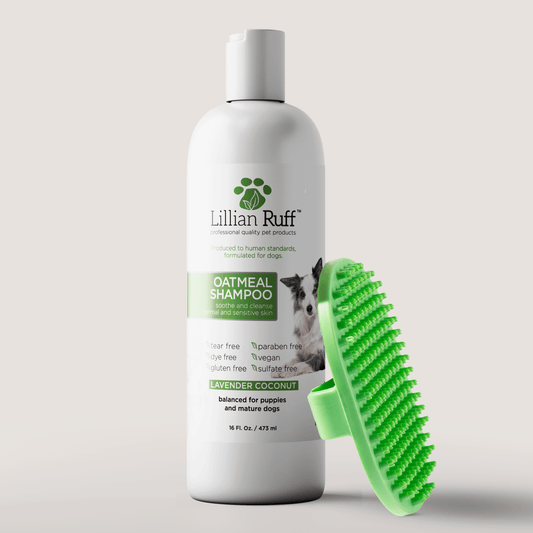
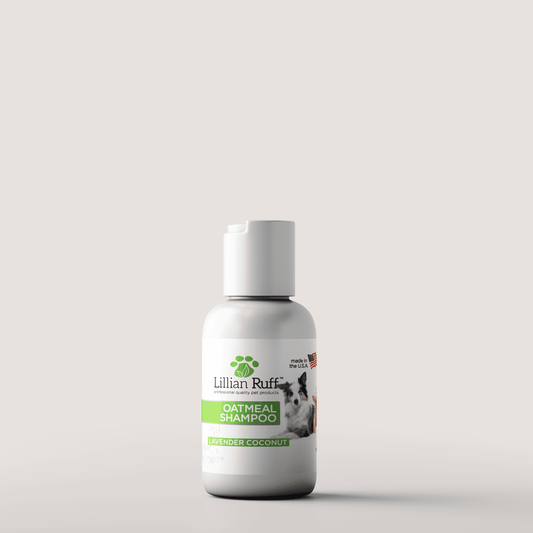
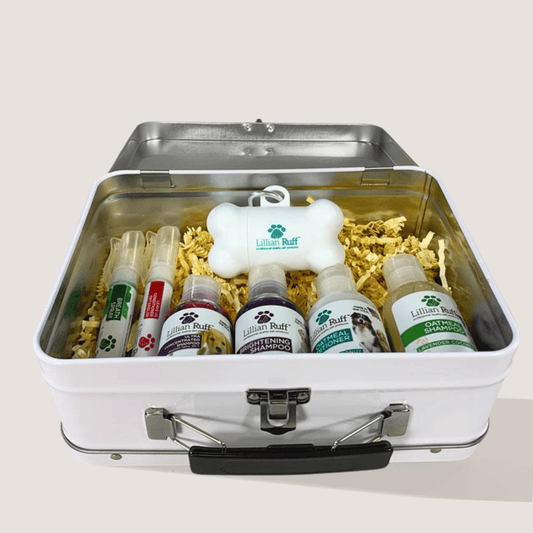
Explore the Lillian Ruff pet shampoo collection for your needs. Shop our recommended shampoo for Miniature Schnauzers to groom mini schnauzers at home.
Step 7: Wash the Beard Carefully
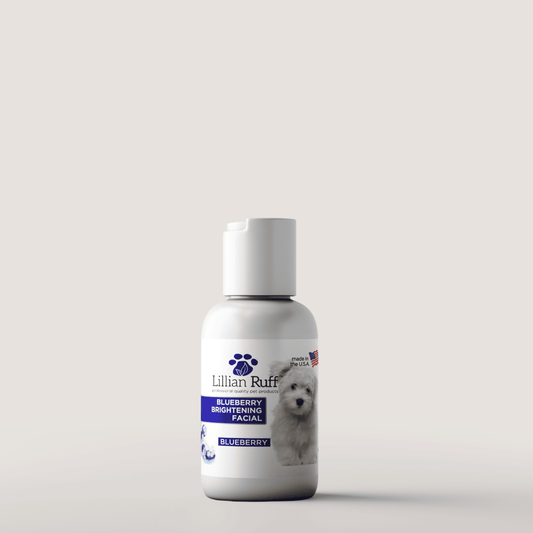
Use a tearless, face-safe dog wash to clean the beard and muzzle. This prevents eye irritation.
Facial hair is more prone to staining and requires a gentle touch to avoid irritating the skin.
Work the product gently through facial hair where odor collects. Be mindful of the nostrils.
Keep shampoo away from eyes and ear canals. Use a damp washcloth for rinsing the face.
Step 8: Rinse the Coat Thoroughly
Rinse from the neck toward the rear until the water runs clear. Use a handheld sprayer.
Rinsing is the most critical part of the bath to prevent future skin irritation.
Focus on the chest, stomach, legs, and under the collar area. These spots often trap soap.
Shampoo residue may cause itching or dryness if not fully removed from the coat.
Step 9: Rinse the Beard Carefully
Use a clean, damp washcloth to rinse the beard. Avoid spraying water directly toward the face.
Soap residue around the mouth can be harmful if ingested during grooming.
Continue until the hair no longer feels soapy. This prevents irritation from licking the face.
Step 10: Apply Conditioner
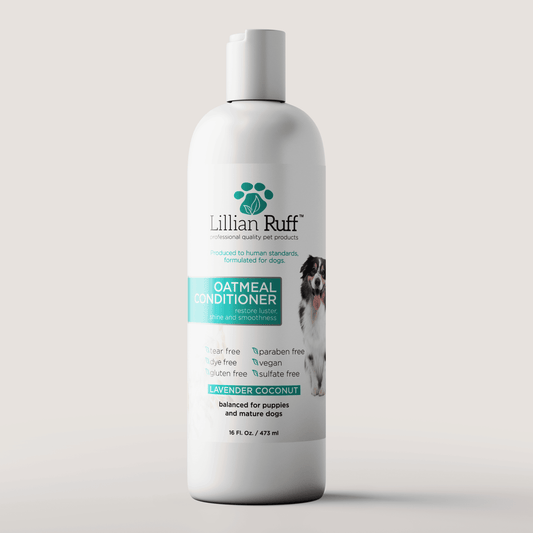
Apply dog-safe conditioner as directed. This softens the coat and makes brushing easier later.
Conditioning helps maintain the texture of the wiry coat while reducing static and tangles.
Avoid excessive product on the face or beard to prevent greasiness and clogging pores.
Step 11: Complete the Final Rinse
Rinse again until all conditioner is removed. Ensure no slippery areas remain on the skin.
A thorough final rinse ensures the coat stays fluffy and does not attract dirt quickly.
Focus on the chest, underarms, and paws to reduce post-bath itching and skin irritation.
Step 12: Squeeze Out Excess Water
Gently press excess water from the coat with your hands. Work from shoulders to hindquarters.
Avoid rubbing too hard, as this can create new tangles in the wet hair.
Squeeze moisture from the beard without pulling the hair. Use a gentle pressing motion.
Step 13: Towel-Dry the Coat
Press moisture from the body with absorbent towels. Avoid rubbing the beard aggressively.
Patting the hair instead of rubbing helps maintain the desired shape of the coat.
Blot the muzzle and outer ears. Take extra time to dry beneath the chin and chest.
Step 14: Blow-Dry the Coat
Use a pet dryer on a cool setting. Keep the airflow moving to prevent heat buildup.
Proper drying prevents "wet dog smell" and keeps the skin healthy and dry.
Dry the neck, chest, stomach, legs, and facial furnishings. Work from the root outward.
Keep airflow away from eyes and ears. Dry close to the skin for maximum efficiency.
Step 15: Brush During Drying
Brush gently while drying to separate hair. Use a slicker brush on the body for volume.
Brushing while drying helps achieve that classic Schnauzer look and removes remaining loose hair.
Use a metal comb on the beard once it is mostly dry to straighten the facial hair.
Step 16: Check the Coat and Beard After Drying
Run fingers through the coat to ensure no damp areas remain. Focus on the underbelly.
Trapped moisture can lead to skin issues if the dog is not completely dry.
Check the underarms, stomach, and beneath the chin. A damp beard can cause lingering odor.
Step 17: Check and Dry the Ears
Dry only the visible outer ear with a cotton pad. Never insert swabs into the ear canal.
Keeping the ears dry prevents the growth of yeast and bacteria in the canal.
Contact a vet if you notice redness, unusual wax, or discharge during this check.
Step 18: Clean and Dry the Paws
Rinse away remaining shampoo or debris from each paw. Dry the pads and toes thoroughly.
Moisture between the toes can cause irritation or attract grime once they walk.
Damp paws can lead to slipping or irritation on household floors.
Step 19: Freshen the Beard and Coat Between Baths
Wipe the beard after meals to reduce staining. Brush the coat several times per week.
Regular maintenance prevents the need for aggressive grooming sessions.
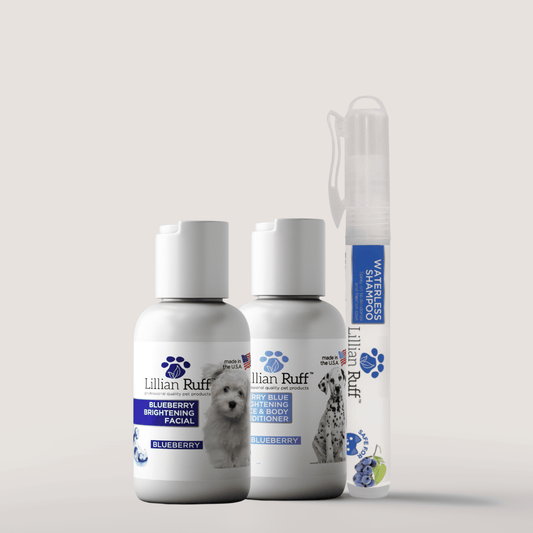
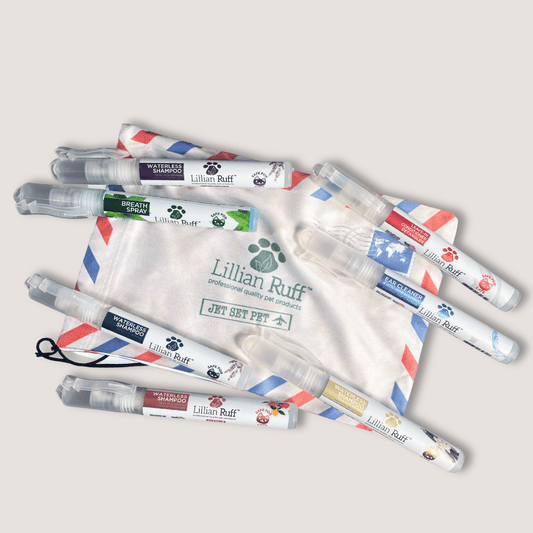
A waterless dog shampoo can help groom mini schnauzers at home between baths.
Common Miniature Schnauzer Bathing Mistakes
- Skipping pre-bath brushing, which locks in mats
- Using human products that disrupt skin pH
- Using water that is too hot for the skin
- Scrubbing the beard too hard, causing irritation
- Failing to rinse thoroughly, leading to itchiness
- Leaving the beard damp, which promotes odor
Frequently Asked Questions
How often should I bathe my Miniature Schnauzer?
Usually every four to six weeks. The schedule depends on activity, weather, and skin condition.
What kind of shampoo should I use on a Miniature Schnauzer?
Use a gentle, pH-balanced dog shampoo. Oatmeal or hypoallergenic formulas are often helpful.
Should I use conditioner on my Miniature Schnauzer?
Yes, a lightweight dog-safe conditioner can soften the coat for easier brushing and detangling.
Can I use human shampoo on my Miniature Schnauzer?
No. Human formulas are too harsh and can cause dryness on a dog's skin.
How should I wash my Miniature Schnauzer’s beard?
Use a tearless wash and a damp cloth. Rinse and dry the beard thoroughly after washing.
Why does my Miniature Schnauzer’s beard smell?
Food and moisture cause odor. Wipe the beard after meals to help keep it fresh.
Can I let my Miniature Schnauzer air-dry?
Air-drying may leave moisture on the skin. A cool blow-dry is usually better for thick coats.
Why does my Miniature Schnauzer still smell after a bath?
This may be due to residue, a damp beard, or a skin condition. Consult your vet.
Tips to Groom Mini Schnauzers at Home for a Fresh Look
A consistent routine helps you groom mini schnauzers at home. Focus on brushing and thorough drying.
Regularly monitoring the coat prevents mats from forming, making the process faster over time.
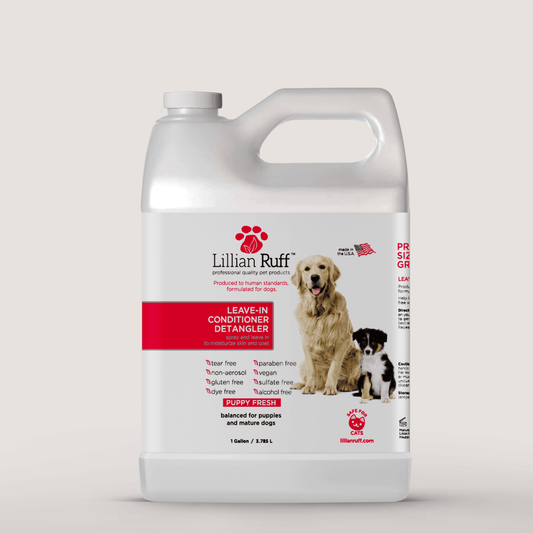
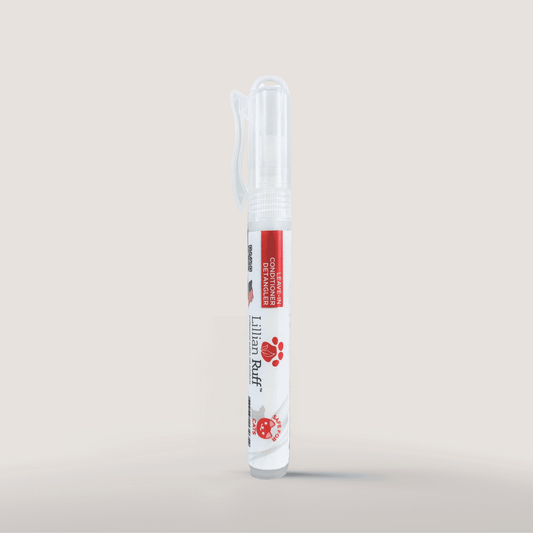
Browse Lillian Ruff’s grooming products to groom mini schnauzers at home and keep them fresh.