

This oral and ear care guide covers grooming steps that are easy to forget—but impossible to ignore. A complete routine does not end when your dog’s coat is clean.
Fresh breath and clean ears matter to everyday comfort. Simple maintenance makes these overlooked areas easier to manage.
Why Follow an oral and ear care guide?
When people picture grooming, they think shampoo and brushing. Ears and oral care are less visible, so they are easy to ignore.
Consistent habits make a difference. Routine ear care manages wax, while dental care supports oral health and better cuddles.
Oral Routine
Breath care works best alongside tooth brushing and regular veterinary dental care.
Ear Maintenance
Routine cleaning can help remove normal wax and debris when used appropriately.
Notice Changes Early
Regular care makes it easier to spot unusual odor, redness, discharge, or discomfort.
Two Easy Additions to a More Complete Grooming Routine
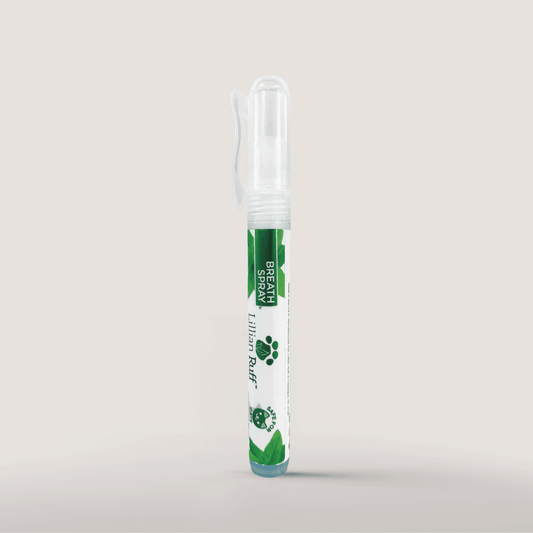
Breath Spray
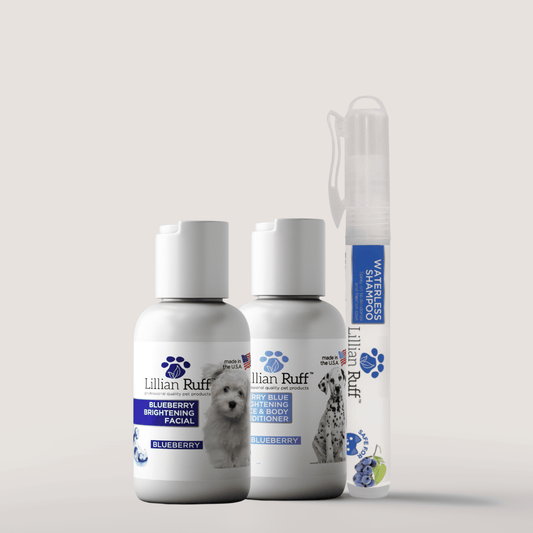
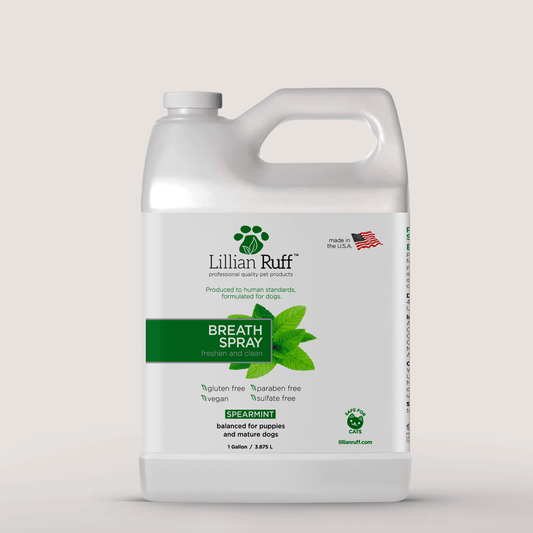
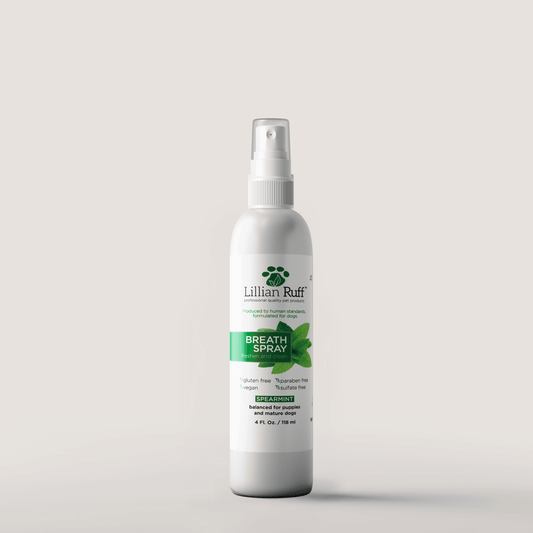
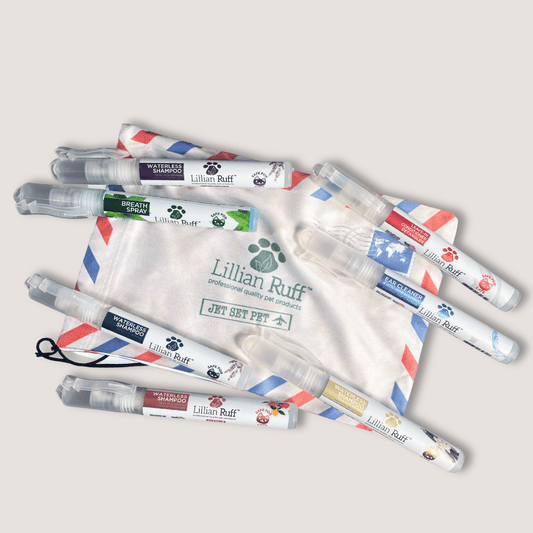
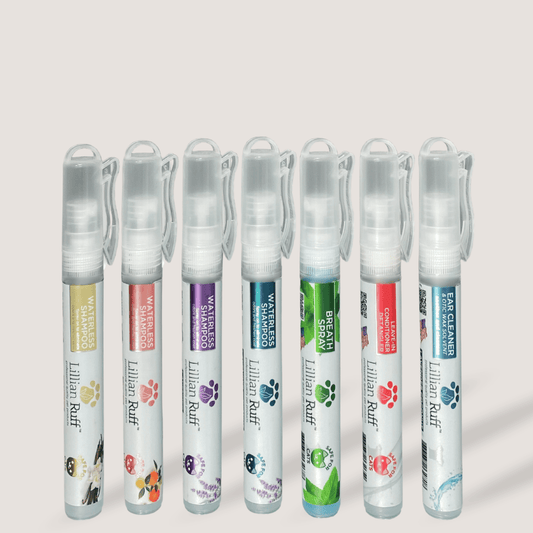
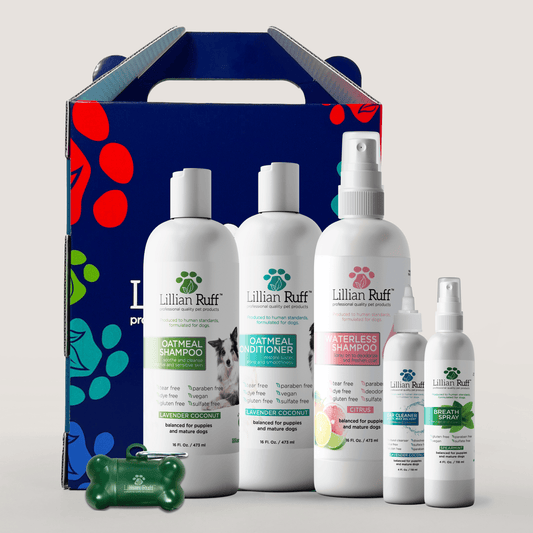
Lillian Ruff Breath Spray is an easy way to freshen breath. It is a key part of any oral and ear care guide.
Breath spray should complement—not replace—regular tooth brushing and professional veterinary dental care.
- Quick, convenient breath freshening
- Easy to add to a regular routine
- Useful for close-up cuddles and kisses
- Designed to complement broader dental care
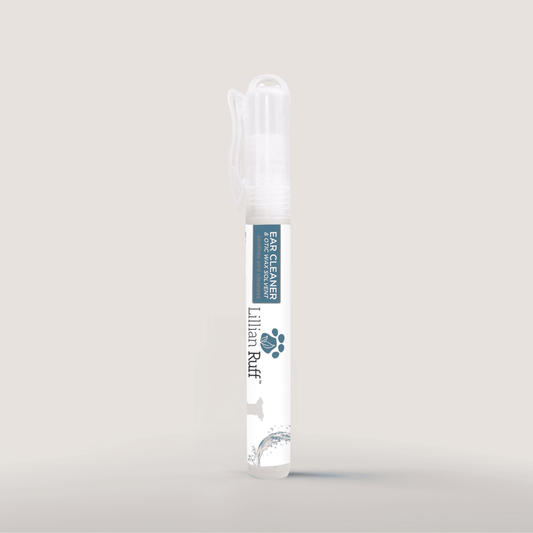
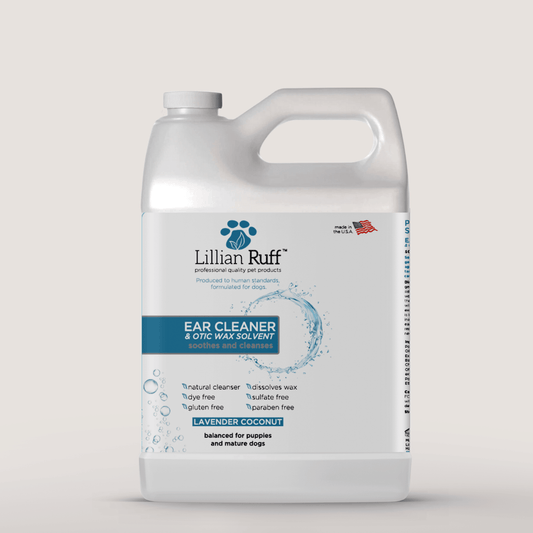
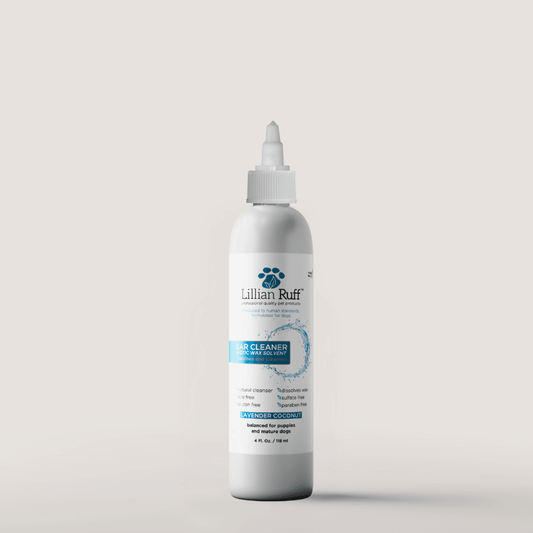
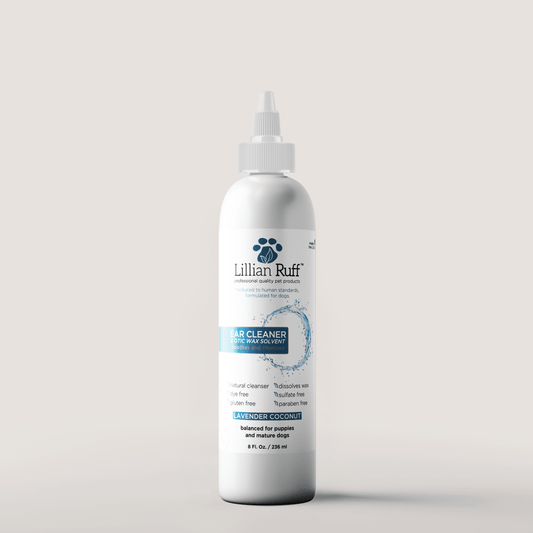
Ear Cleaner & Otic Wax Solvent
Lillian Ruff Ear Cleaner & Otic Wax Solvent helps remove excess wax and debris as part of routine maintenance.
Regular checks are useful for dogs with floppy ears or those that swim, as they may trap more moisture.
- Helps loosen excess wax and debris
- Supports routine ear hygiene
- Useful for dogs with floppy ears or frequent swimming
- Makes regular ear inspection part of grooming
How to Use Breath Spray
Follow the Bottle Directions
Spray directly into your dog’s mouth using the amount and frequency directed on your specific product label.
Introduce It Gradually
If your dog is hesitant, start slowly. Help them become comfortable with the routine rather than forcing the process.
Keep the Bigger Dental Routine
Use breath spray alongside regular tooth brushing and veterinarian-recommended dental care.
Persistent bad breath or bleeding gums should be discussed with your veterinarian.
How to Use Ear Cleaner
Apply According to the Label
Use the recommended amount of solution according to your product directions.
Massage the Base of the Ear
Gently massage the base for 20–30 seconds to help loosen wax and debris.
Let Your Dog Shake
Head shaking is normal. It helps move material toward the outer ear. Keep a towel nearby.
Wipe the Outer Ear Gently
Use soft gauze or a cotton ball to wipe away visible debris from areas you can safely reach.
If your dog seems painful during cleaning, stop and contact your veterinarian.
When Should You Actually Clean Your Dog’s Ears?
Healthy ears generally do not need daily cleaning. The frequency varies by dog and ear anatomy.
Routine Grooming
For some dogs, occasional cleaning during the normal grooming schedule is enough.
Frequent Swimmers
Dogs that swim often may need closer ear monitoring because moisture can remain trapped.
Floppy or Hairy Ears
Some ear types may need more individualized maintenance based on the dog’s needs.
Strong odor or frequent scratching can signal a problem that needs veterinary evaluation.
Healthy Habits That Make a Real Difference
This oral and ear care guide recommends making maintenance part of the normal routine to avoid problems.
Use breath spray for freshness while keeping regular brushing and exams at the center of care.
Look for changes during grooming so unusual redness or odor is easier to notice early.
The Bottom Line
A complete grooming routine covers more than what is visible. Oral and ear care deserve a regular place in hygiene.
Following a detailed oral and ear care guide helps keep everyday grooming complete from nose to tail.
Complete the Routine From Nose to Tail
Keep oral and ear care simple and consistent. Know when a change in breath or ears deserves professional attention.