

Grooming can be difficult for dogs that are fearful, sensitive, inexperienced, or uncomfortable with handling.
Short sessions, predictable routines, positive reinforcement, and the right professional support can make grooming safer and less stressful.
Build Comfort Gradually
Start early when possible
Introduce brushing, paw handling, ear checks, and equipment in very short sessions.
Use positive reinforcement
Reward calm behavior with treats, praise, play, or a break.
Choose the right tools
Use coat-appropriate brushes and tools that do not pull, scrape, or pinch.
Create a quiet environment
Reduce noise, slippery surfaces, interruptions, and unnecessary restraint.
Take breaks
Stop before stress becomes panic and resume only when the dog has recovered.
Ask for professional help
A veterinarian, behavior professional, or fear-free groomer can help with severe anxiety or aggression.
Choose Products Carefully
Use pet-formulated products
Choose dog-specific shampoos and conditioners and follow their directions.
Do not apply concentrated essential oils
Essential oils should never be applied directly to pets or used as improvised calming treatments.
Keep scents optional
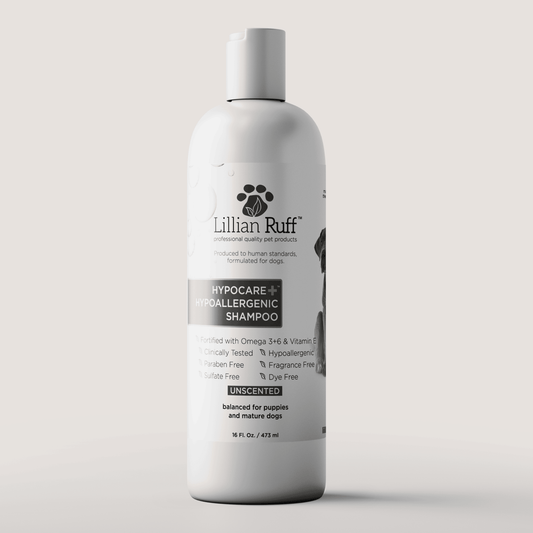
Fragrance-free products may be more appropriate for sensitive dogs or dogs that become overwhelmed by strong scents.
Rule out pain
Sudden grooming resistance can be caused by ear disease, skin irritation, arthritis, mats, wounds, or other discomfort.
Calm grooming is built through repetition and safety, not stronger restraint or louder reassurance.
Make Grooming Easier One Small Step at a Time
Use gentle, pet-formulated products, follow label directions, and involve your veterinarian whenever grooming reveals pain, infection, sudden hair loss, or persistent irritation.
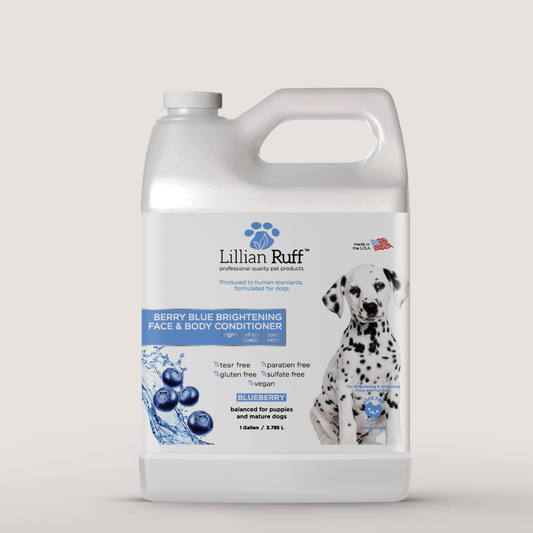
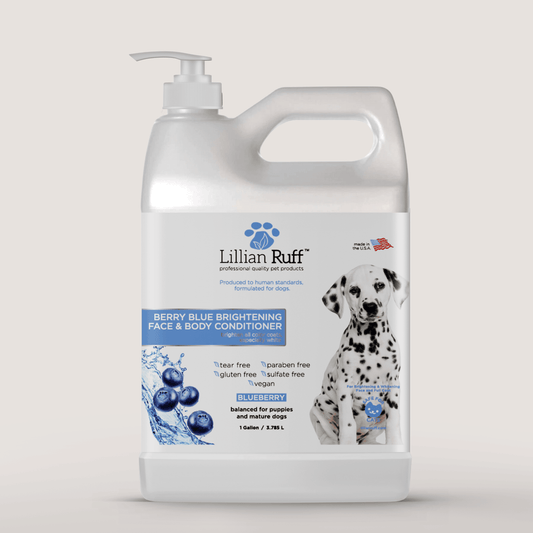
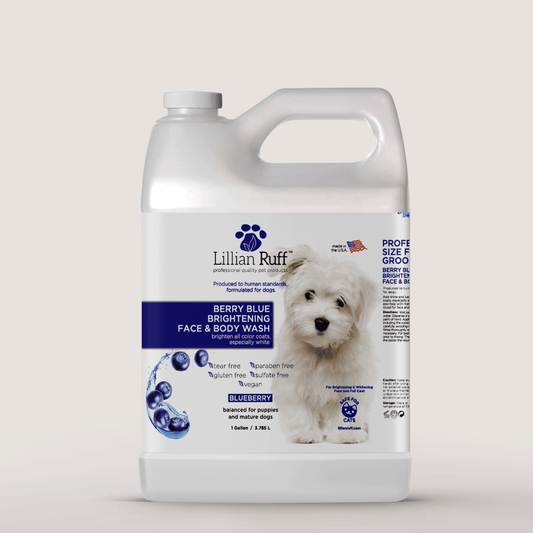
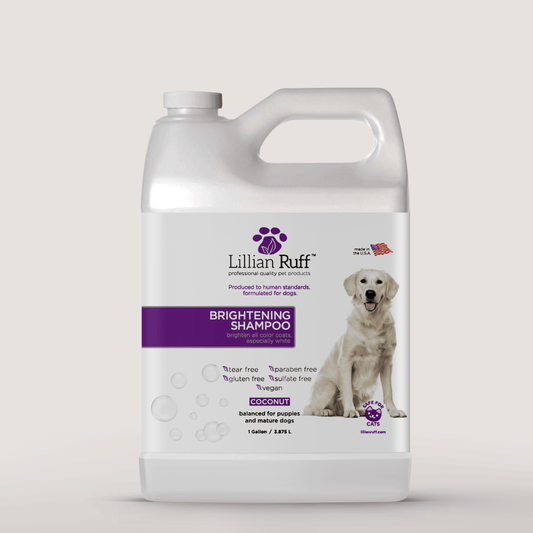
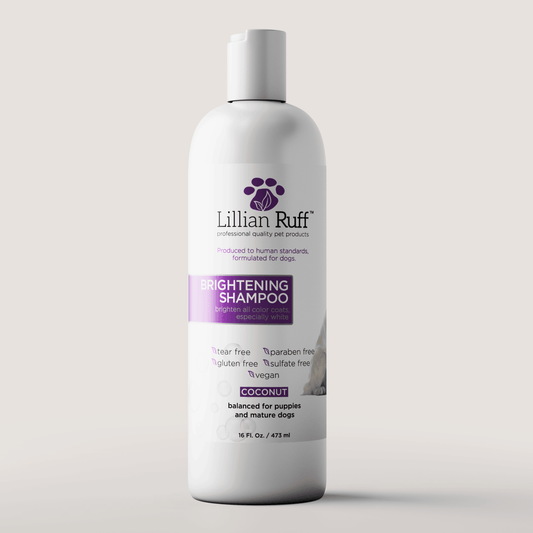
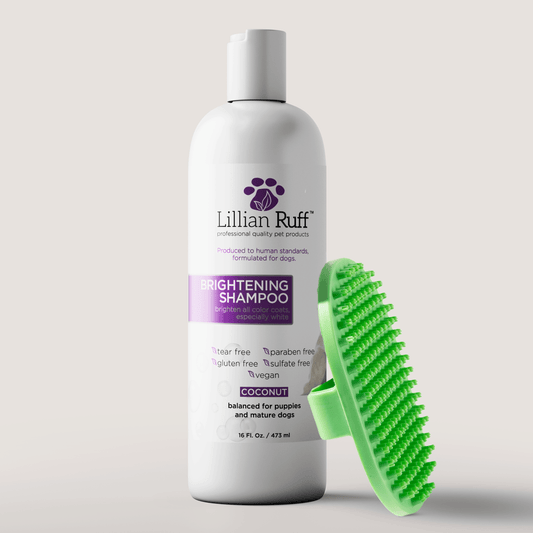
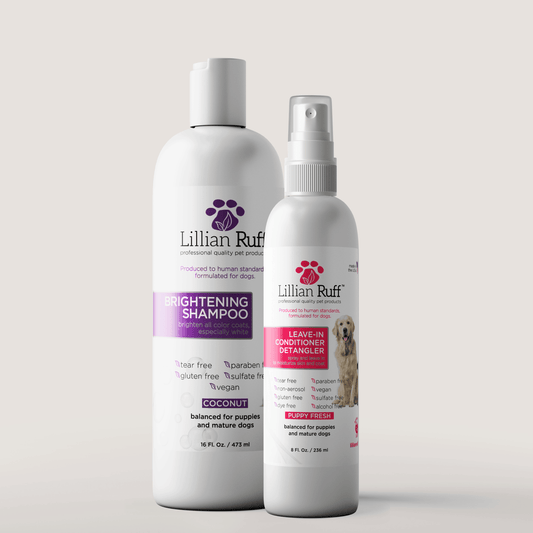
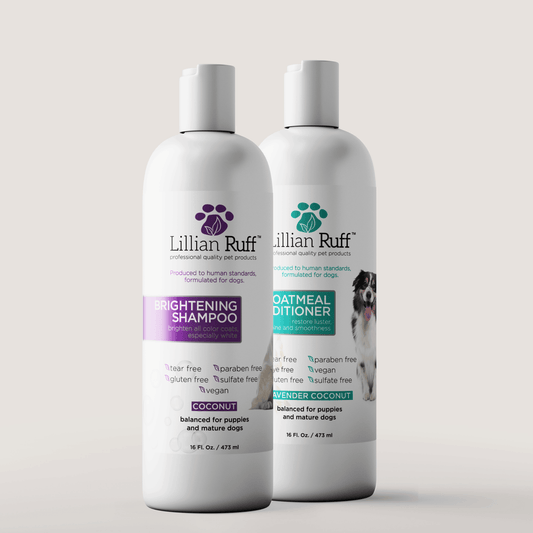
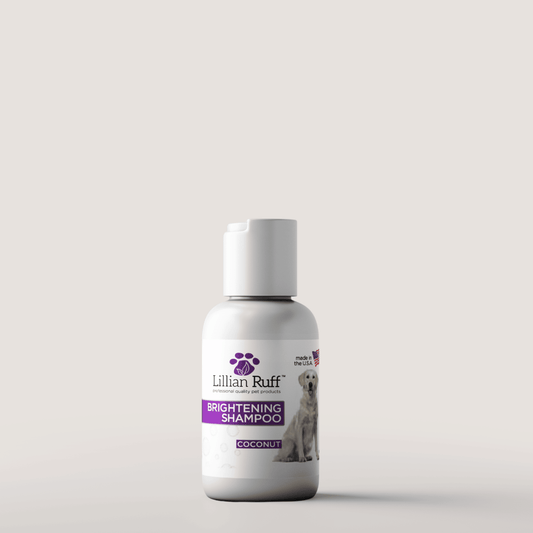
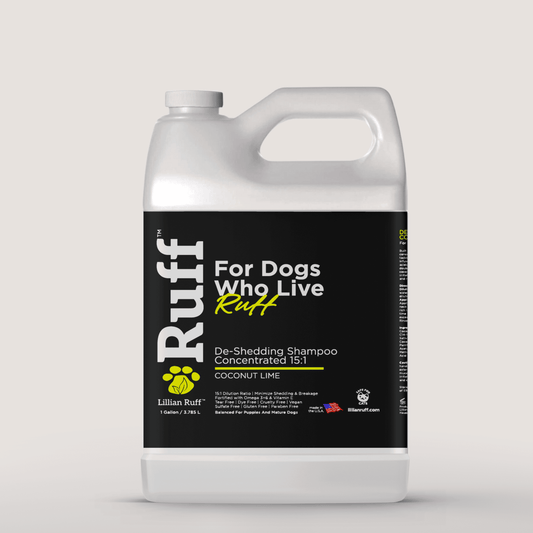
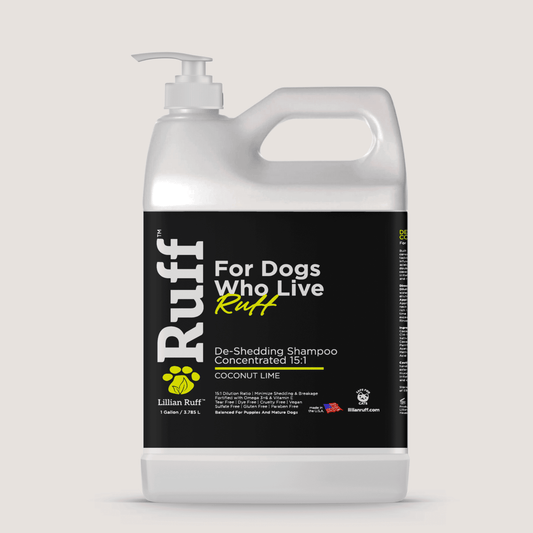
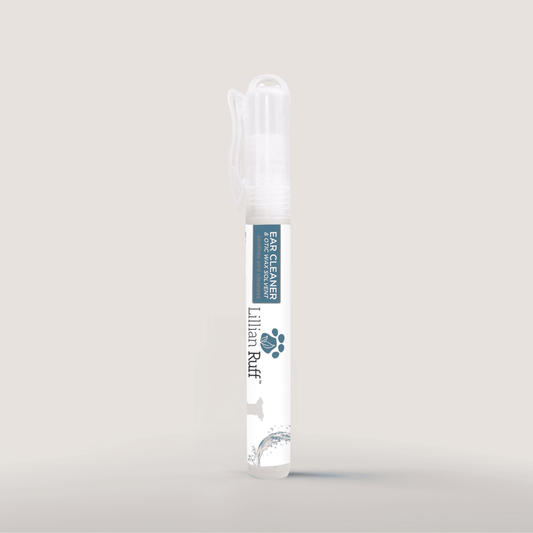
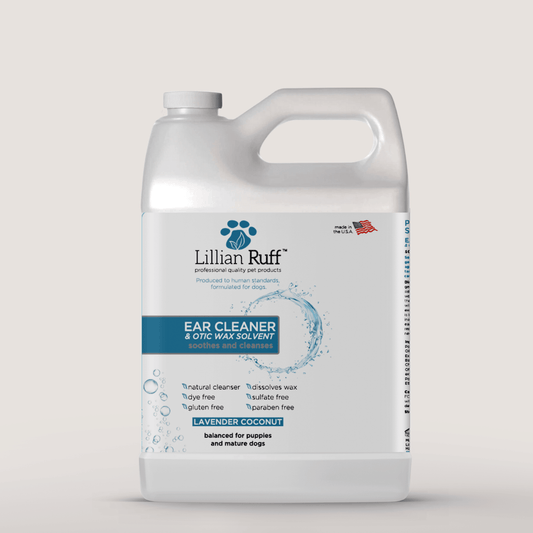
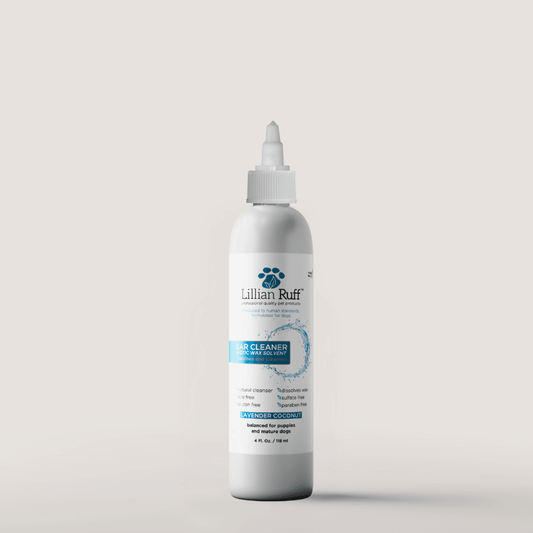
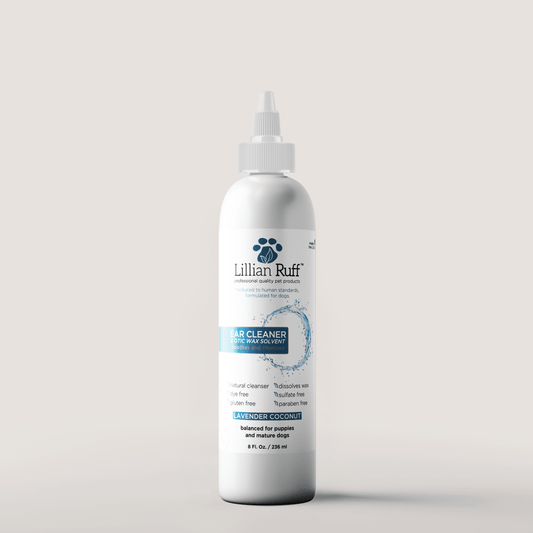
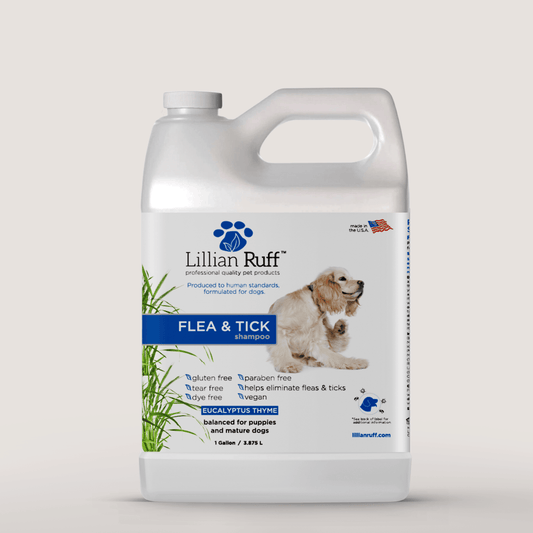
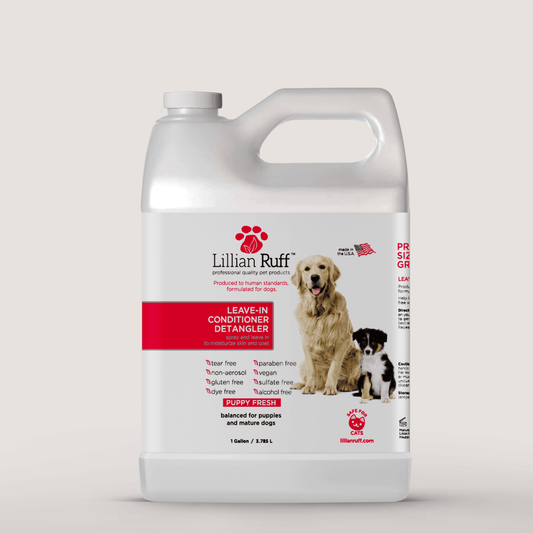
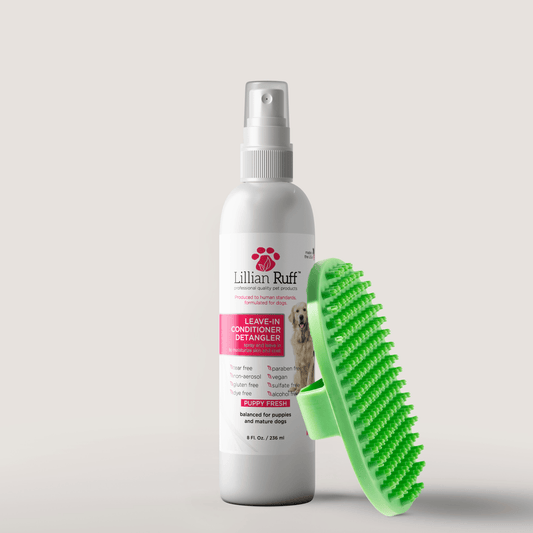
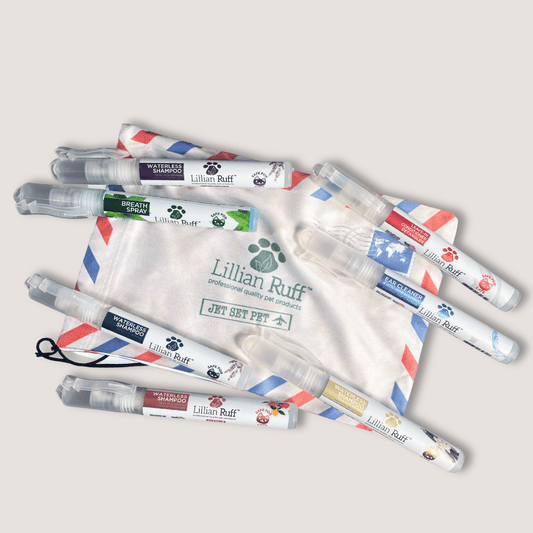
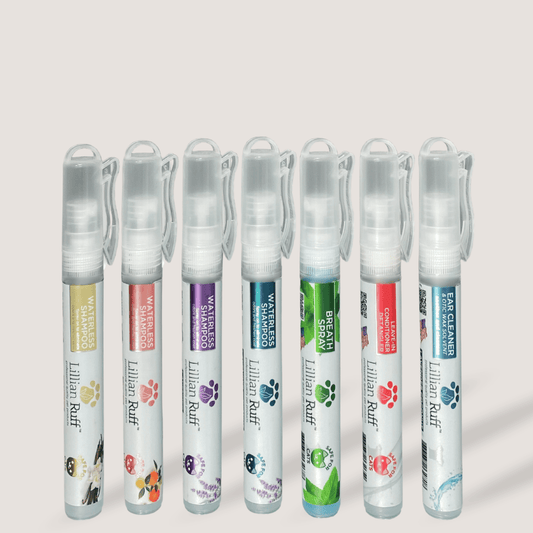
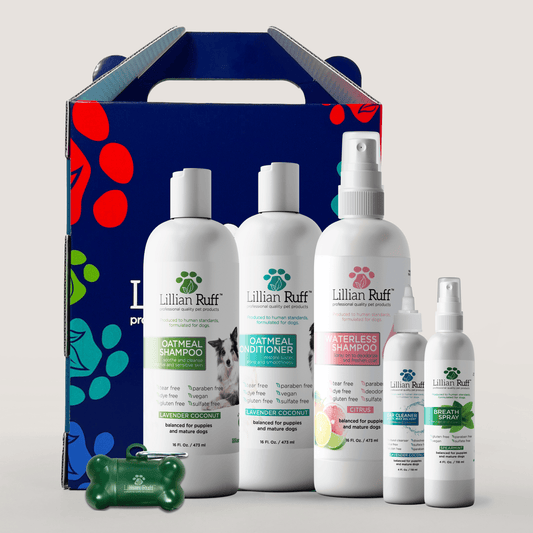
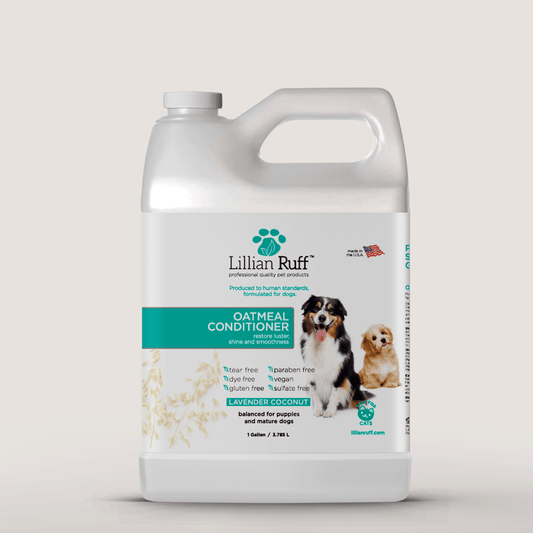
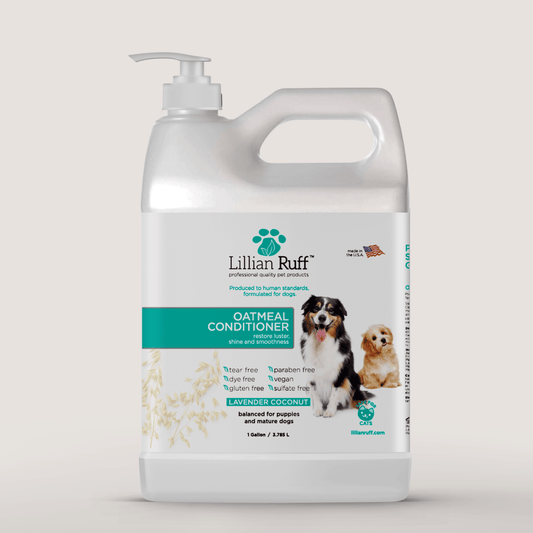
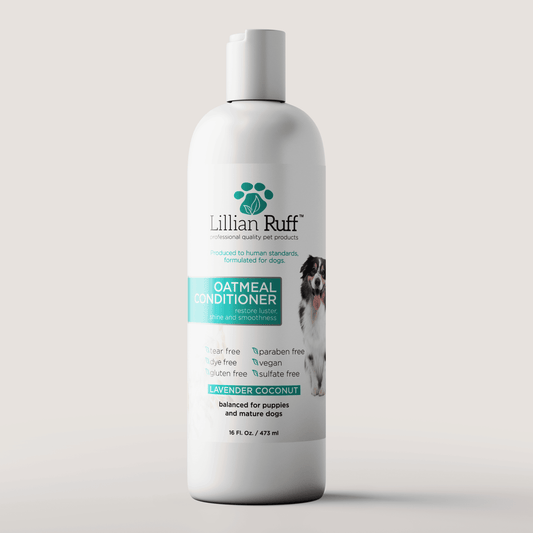
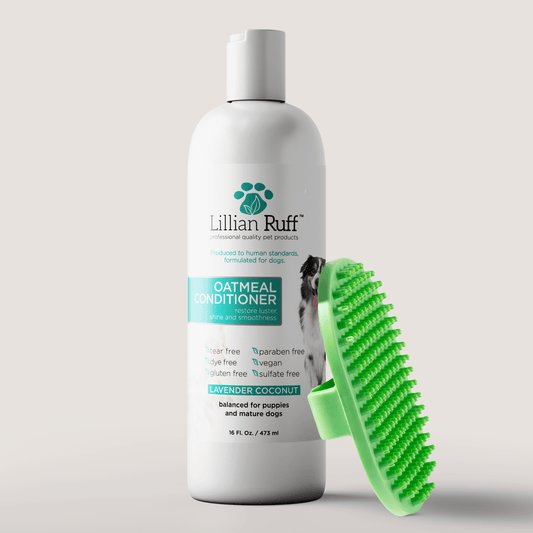
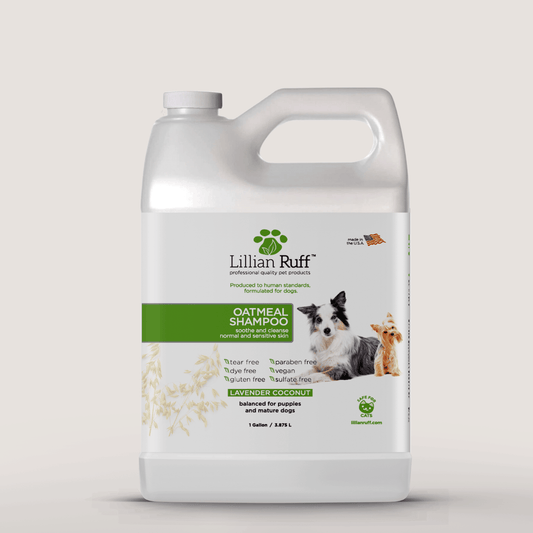
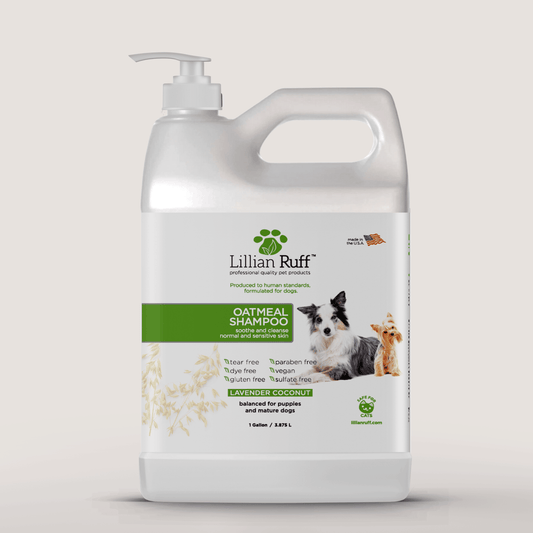
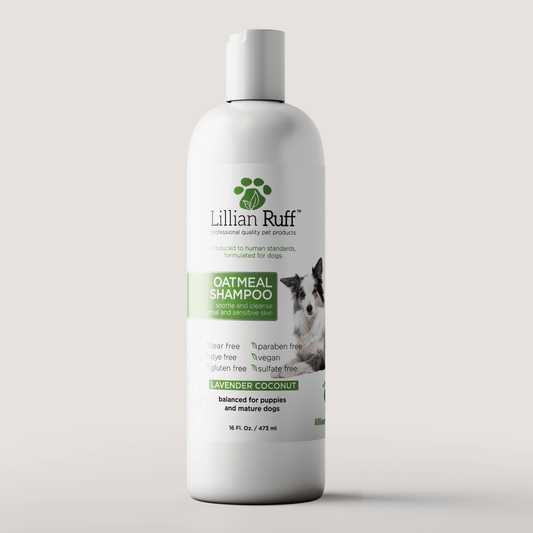
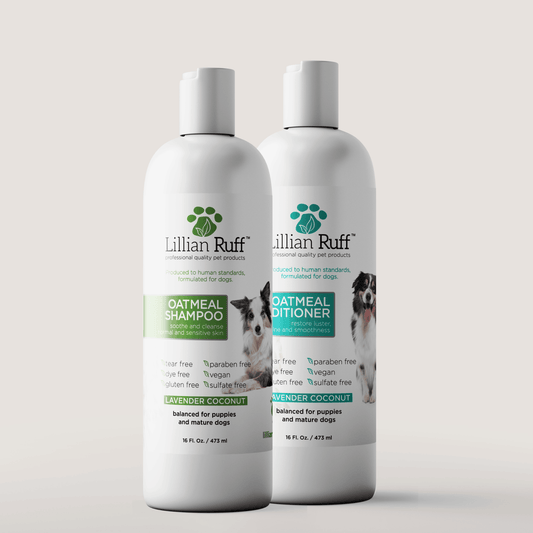
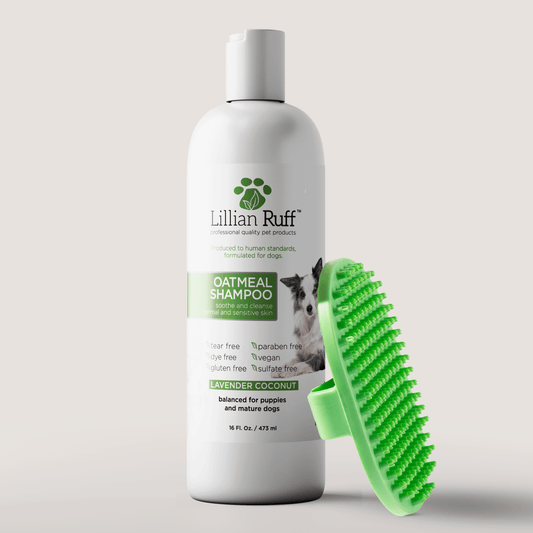
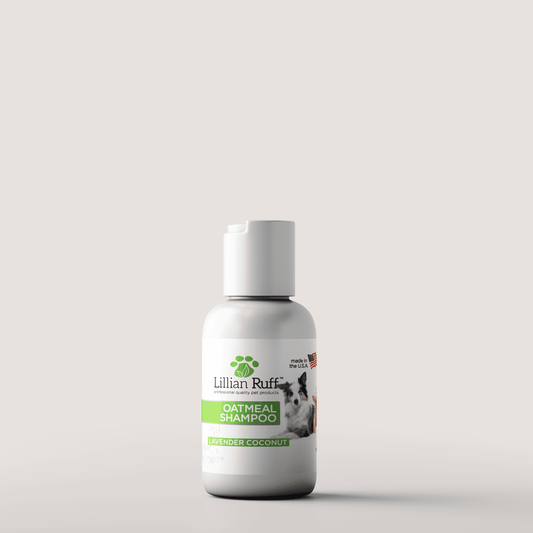
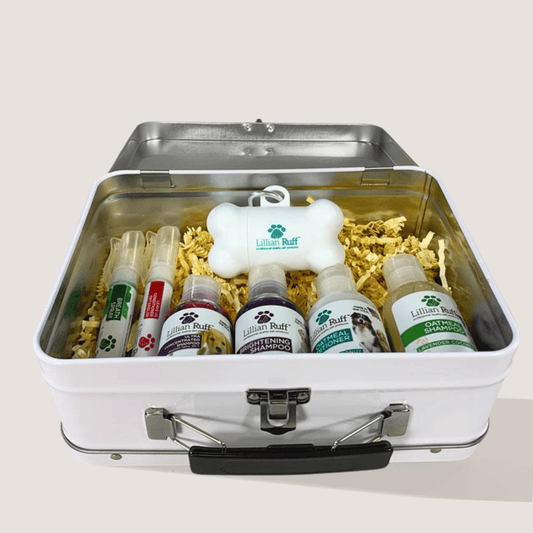
Shop Lillian Ruff Pet Grooming Products