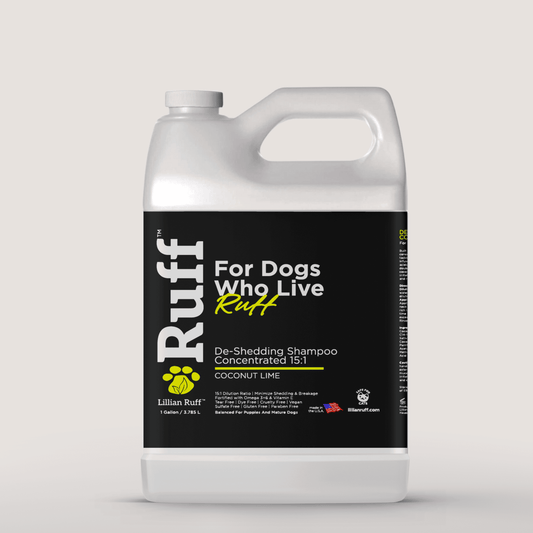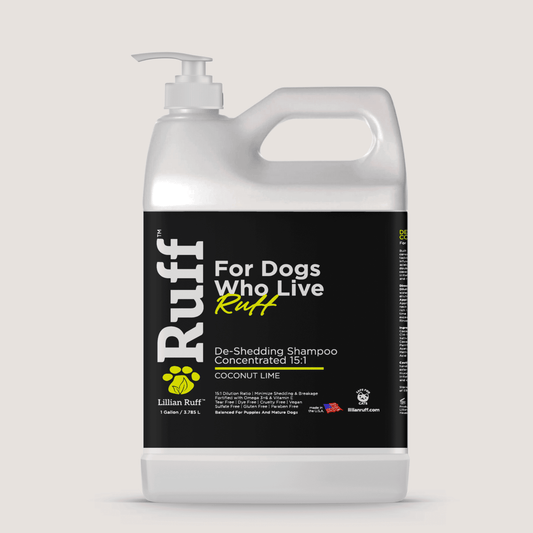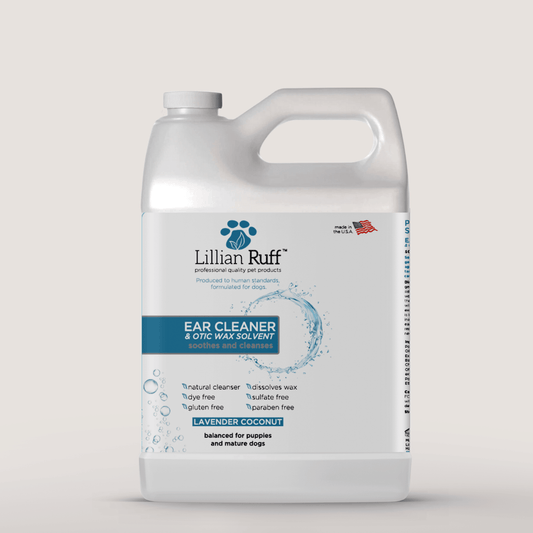


Using effective flea and tick pet products helps your dog enjoy the outdoors without the itch.
A flea and tick shampoo can be one useful part of a broader grooming and prevention routine. It helps clear existing pests.
Consistent care ensures that seasonal pests do not lead to long-term skin irritation for your pet. Regular baths support skin health.
Why Flea and Tick Season Feels So Stressful
Flea and tick concerns feel different from ordinary grooming issues. Many owners seek reliable flea and tick pet products to manage these risks.
Ticks can carry disease, and fleas can multiply quickly within a home. This rapid spread makes the cleaning process feel urgent.
That is why regular grooming and a veterinarian-recommended prevention plan all matter for long-term safety. Proactive care is key.
Outdoor Exposure
Tall grass and hiking trails are common places where dogs encounter fleas or ticks during daily walks.
Regular Coat Checks
Grooming gives you a chance to inspect your dog closely after every single outdoor adventure.
Home Matters Too
When fleas are present, bedding and the surrounding environment may also need professional attention to stop cycles.
Effective Flea and Tick Pet Products
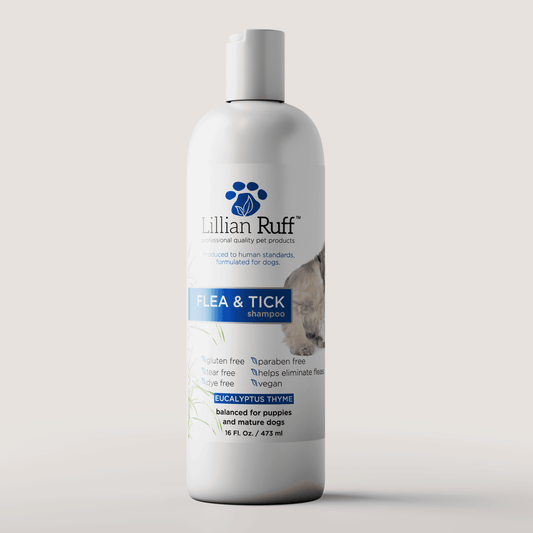
Flea & Tick Shampoo
Fleas and ticks cause itching and discomfort that makes it harder for your dog to enjoy outdoor activities.
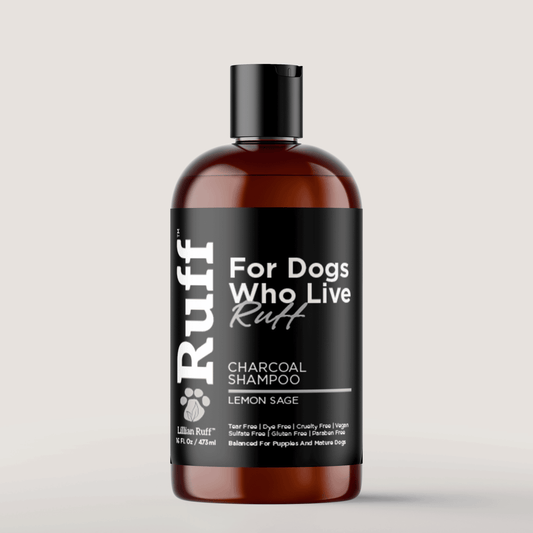
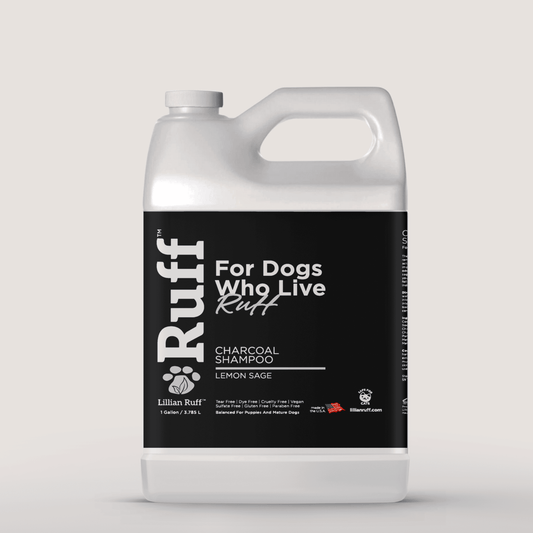
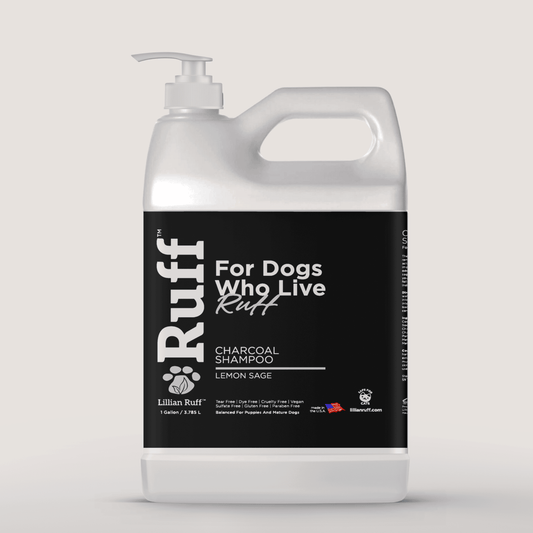
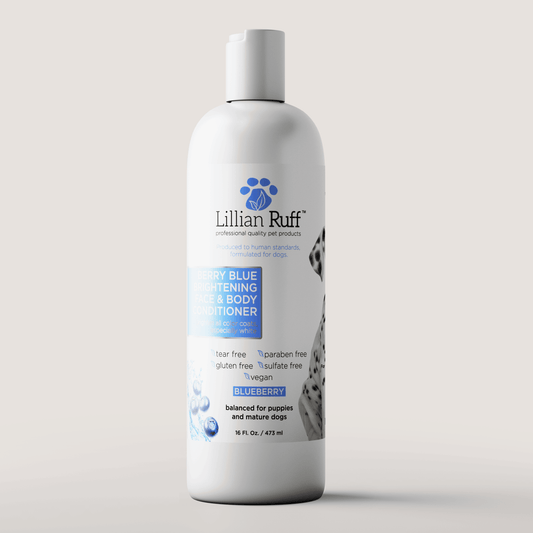
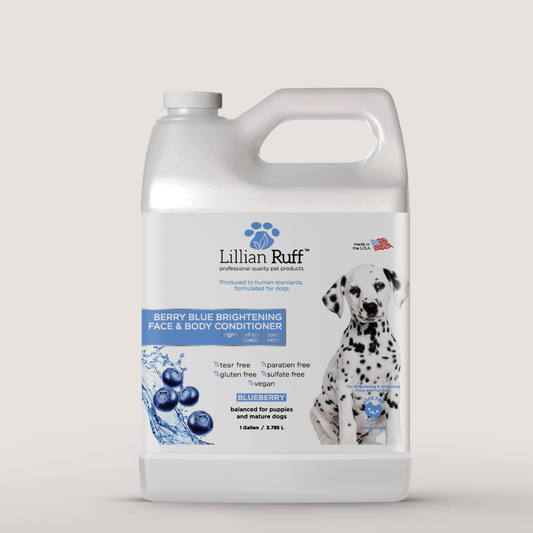
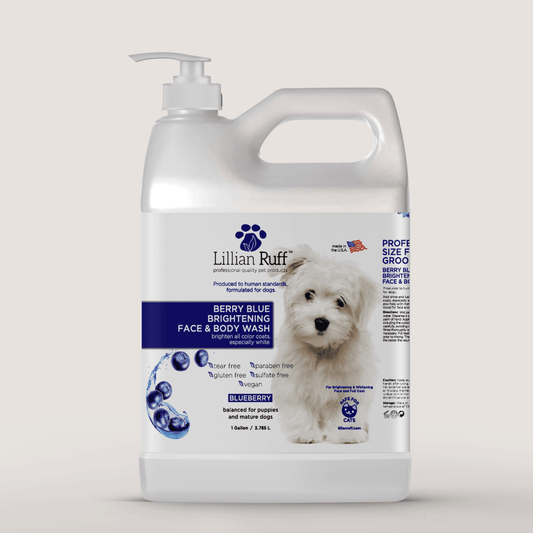
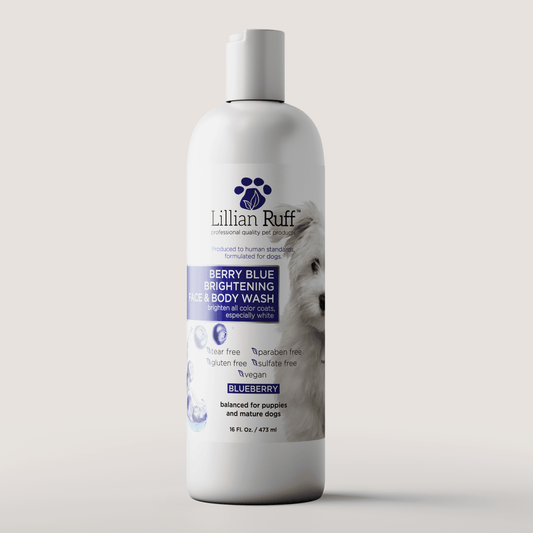
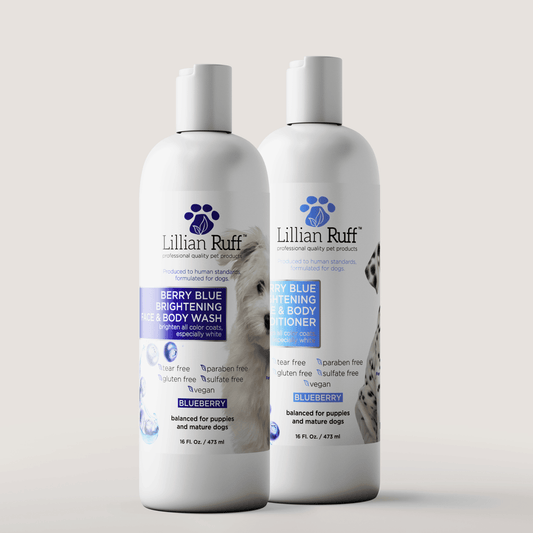
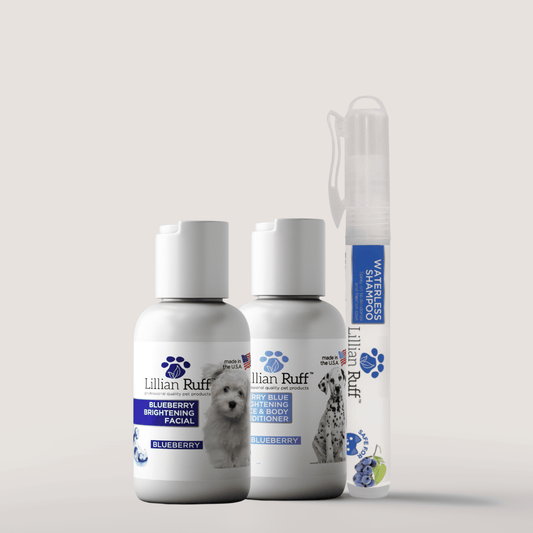
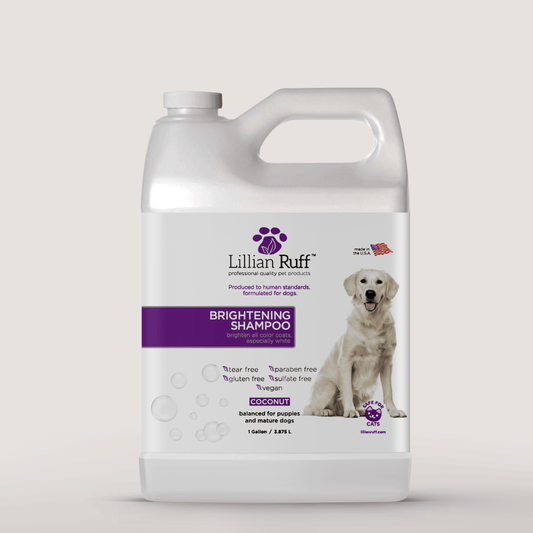
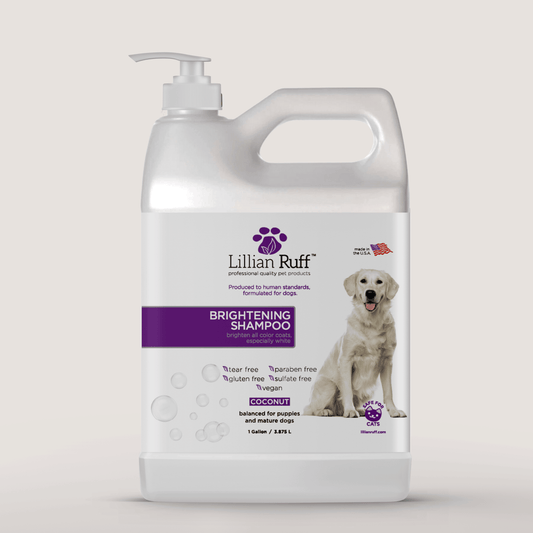
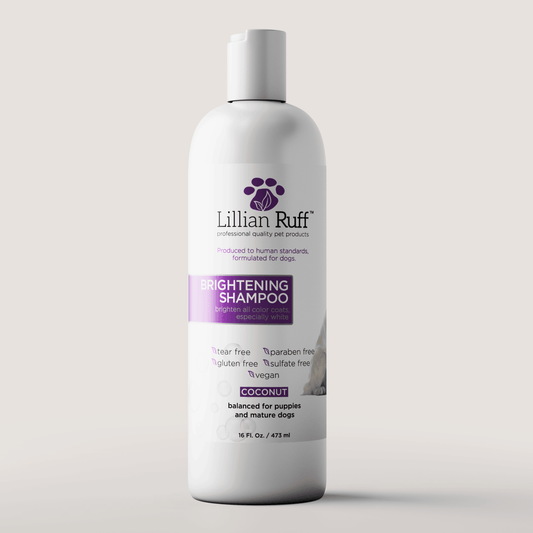
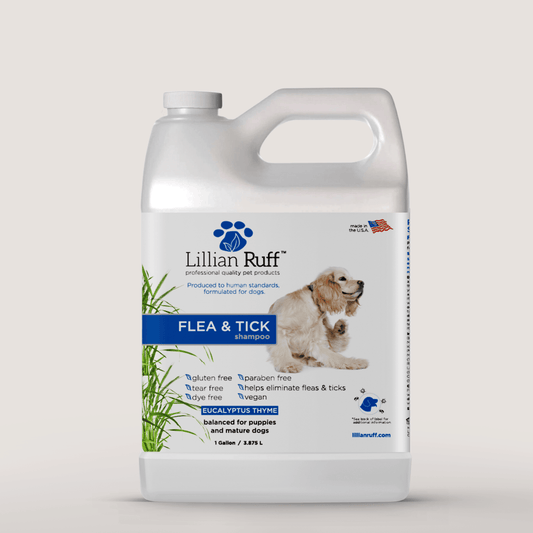
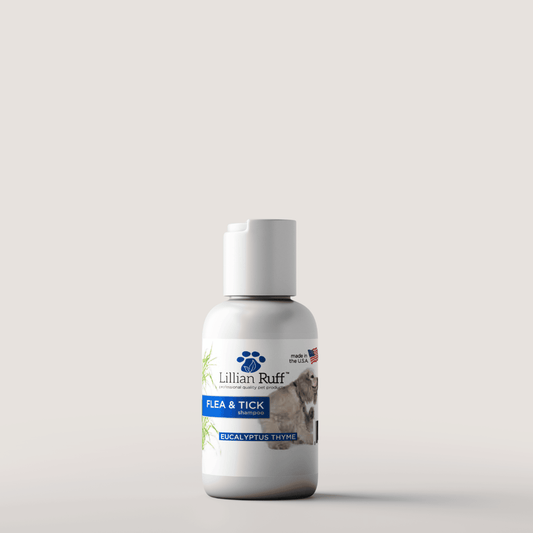
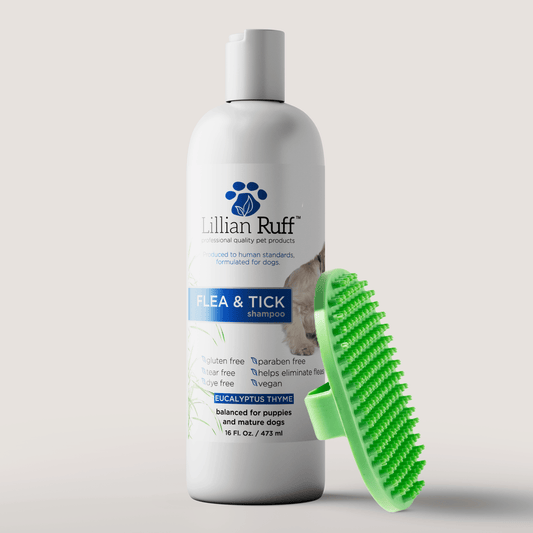
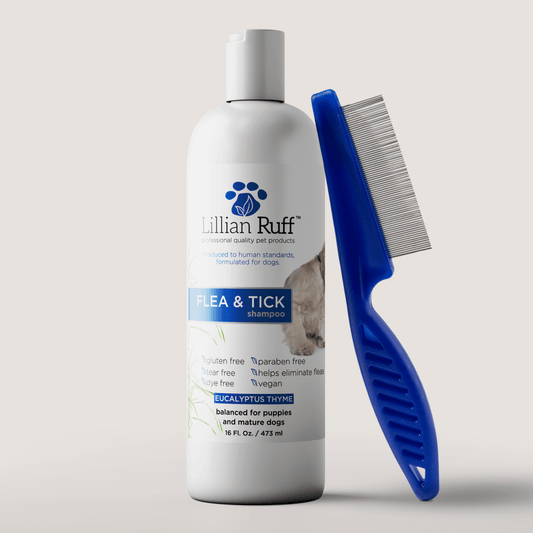
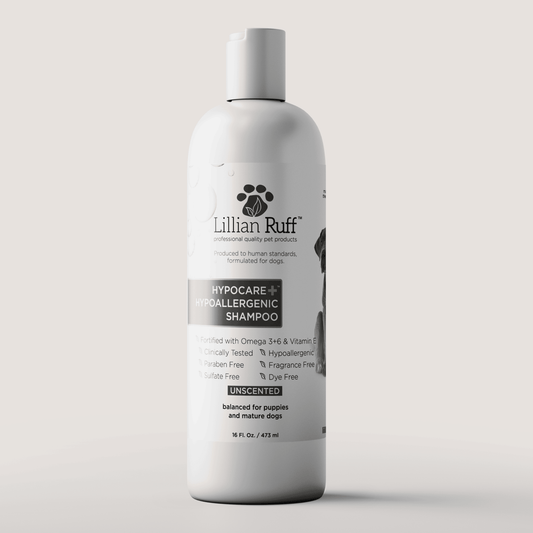
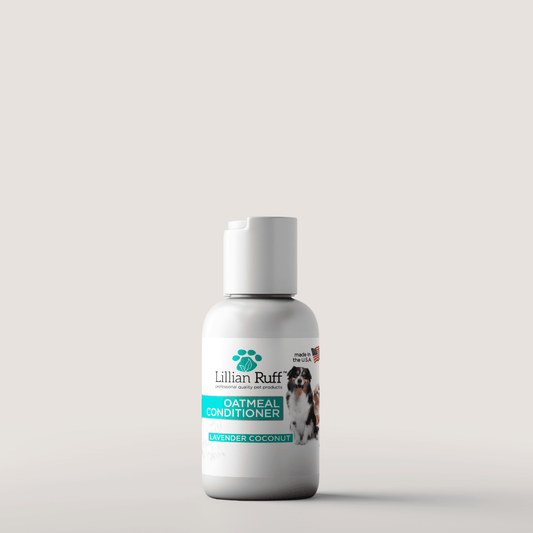
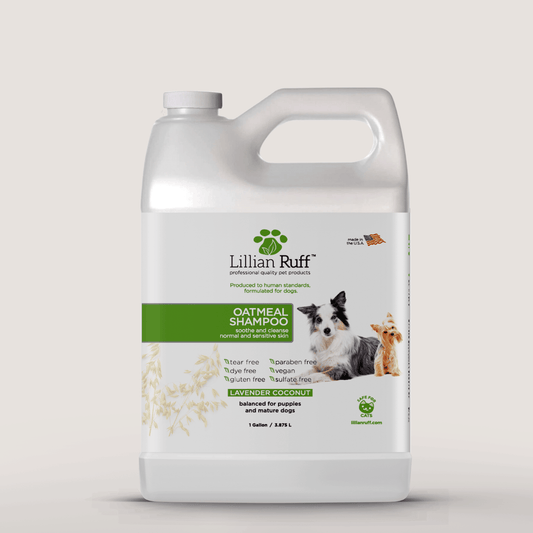
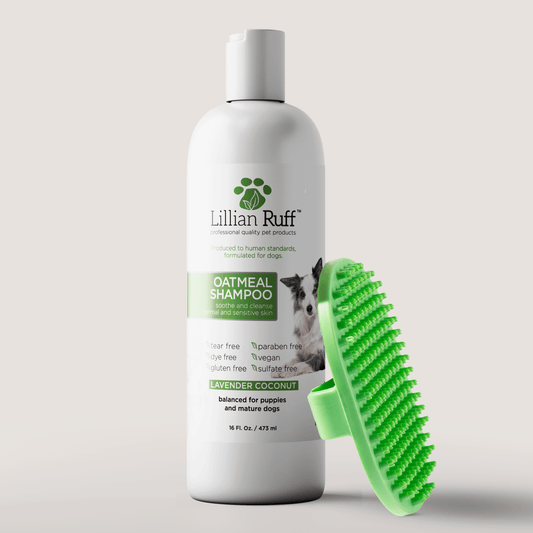
Lillian Ruff Flea & Tick Shampoo is a choice among flea and tick pet products for cleansing the coat of pests.
- Designed for use when fleas or ticks are a concern on the pet
- Cleans the coat while targeting unwanted pests according to label directions
- Useful after exposure to wooded, grassy, or high-risk outdoor areas
- Works best as one part of a broader prevention and environmental-control plan
When using flea and tick pet products, follow the contact time and age restrictions printed on your label.
Incorrect application or over-use can lead to skin sensitivity or reduced effectiveness of the formula over time.
How to Use Flea & Tick Shampoo
Application technique matters. The coat should be fully wet, and the product should remain on for the directed time.
Taking a methodical approach ensures no area is missed, reducing the chance of pests surviving the bath process.
Wet the Coat Completely
Use warm water and make sure the coat is saturated all the way through to the skin for full contact.
Work the Shampoo Down to the Skin
Massage thoroughly through the entire coat rather than applying only to the surface hair of the dog.
Pay Attention to Common Hiding Areas
Focus carefully around the neck, behind the ears, and between the toes for deep and thorough cleaning.
Follow the Label Contact Time
Keep the product on only for the amount of time listed on your specific product label for safety.
Rinse Thoroughly
Rinse with clean water until all shampoo has been completely removed from the coat to avoid residue.
Dry, Brush, and Inspect
After drying, brush the coat and carefully inspect for any remaining ticks or debris on the skin.
When to Use It
Choosing the right flea and tick pet products depends on the season and your dog's level of exposure.
Some dogs require more frequent treatments based on their activity level and the specific environment they visit.
After Hikes
Long walks through tall grass, woods, or brush can significantly increase exposure to ticks and fleas.
After Camping
Camping and extended outdoor trips can expose dogs to more pest-heavy environments than usual walks.
When Pests Are Present
Use according to label directions when active fleas or ticks are already a concern on the pet's coat.
Groomer’s Advice Worth Taking Seriously
Bathing your dog is only one part of effective flea control. Using flea and tick pet products helps maintain a clean home.
Many pests spend the majority of their life cycle in your carpets and furniture rather than on the animal itself.
Think Bigger Than the Bath
A complete strategy involving flea and tick pet products usually involves more than one step to be truly effective.
Clean your dog’s bedding, blankets, and other soft surfaces frequently when fleas are present in the home.
Environmental flea control may be necessary because much of the flea life cycle occurs off the pet.
Keeping outdoor areas maintained can help reduce some of the places where pests thrive and hide from view.
Ask about an appropriate year-round prevention plan based on your dog's specific lifestyle and health.
Where Ticks Often Hide
Ticks often attach in warm, protected areas. Using flea and tick pet products should be paired with manual checks.
A tactile search allows you to find ticks that may be hidden under thick fur or within deep skin folds.
Around the Ears
Check the outside and around the base of the ears carefully after outdoor time in the grass.
Under the Collar
Warm, protected skin beneath the collar can be an easy place for ticks to go unnoticed for days.
Between the Toes
Spread the toes gently and inspect between them, especially after walks through thick brush or woods.
Under the Legs
Armpit areas are warm and protected, making them another common place to inspect on a daily basis.
Base of the Tail
Check carefully around the tail base and surrounding coat where pests can stay hidden from sight.
Full-Body Pass
Run your hands slowly over the entire body and feel for small bumps or attached ticks on the skin.
A few focused minutes after hikes can help you find ticks sooner rather than later to ensure safety.
A Final Tip
No shampoo provides permanent protection. Using various flea and tick pet products and a vet plan provides stronger protection.
Consistent habits, such as checking the coat after every walk, reduce the risk of infestations in your home.
Use Lillian Ruff Flea & Tick Shampoo according to its label as one dependable part of that comprehensive routine.
Help Your Dog Enjoy the Outdoors More Comfortably
Combine smart grooming, careful checks, and quality flea and tick pet products for the strongest year-round routine.