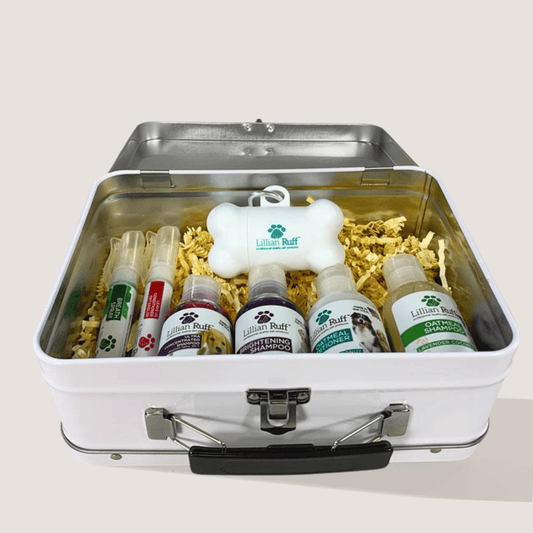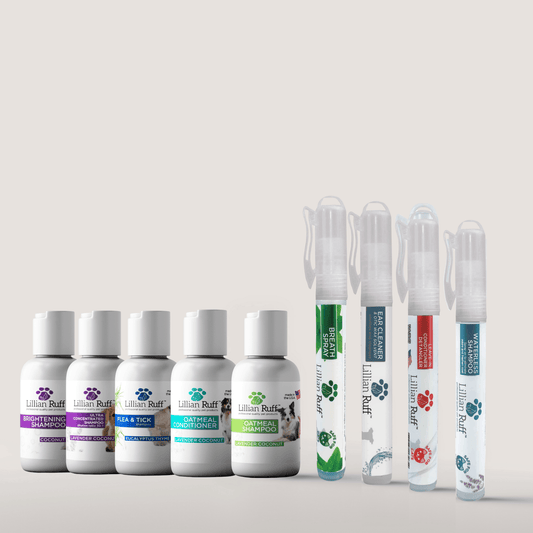


A dog’s coat, skin, activity level, and cleanup needs can change throughout the year.
A consistent routine with seasonal adjustments helps manage shedding, dryness, mud, moisture, and outdoor debris without turning every weather change into a grooming emergency.
Spring
Manage shedding
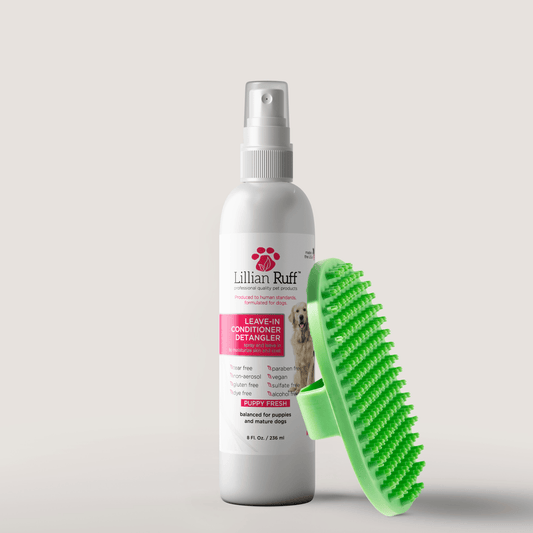
Brush more frequently as winter undercoat loosens. Remove tangles before bathing.
Check paws and skin
Pollen, wet grass, and changing weather may increase cleanup needs around the belly and paws.
Use gentle moisture
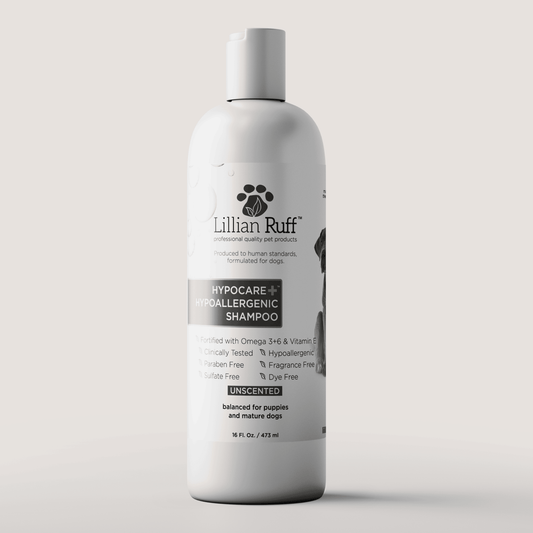
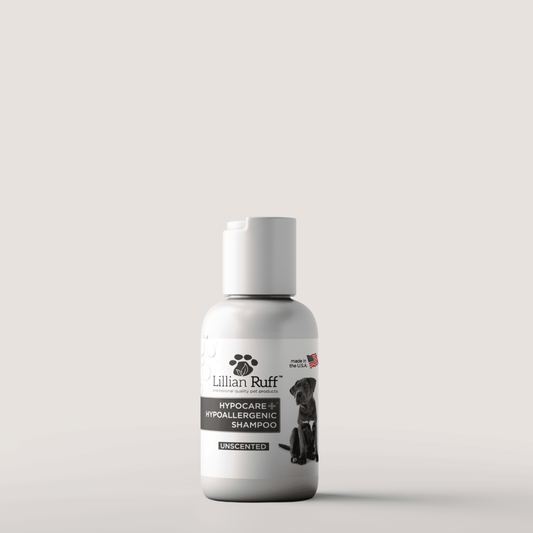
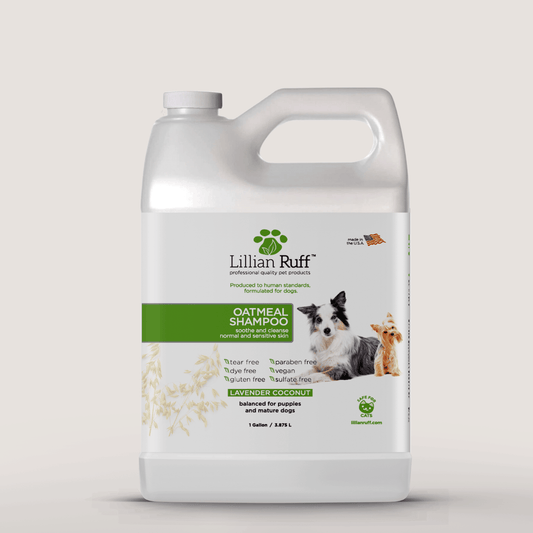
Choose a moisturizing, dog-specific shampoo if the skin or coat feels dry after winter.
Summer
Rinse after outdoor activity
Remove salt, chlorine, pond residue, dirt, and grass after swimming or heavy play.
Dry ears and folds
Moisture should not remain trapped around ears, wrinkles, paws, or dense coat areas.
Use outdoor prevention responsibly
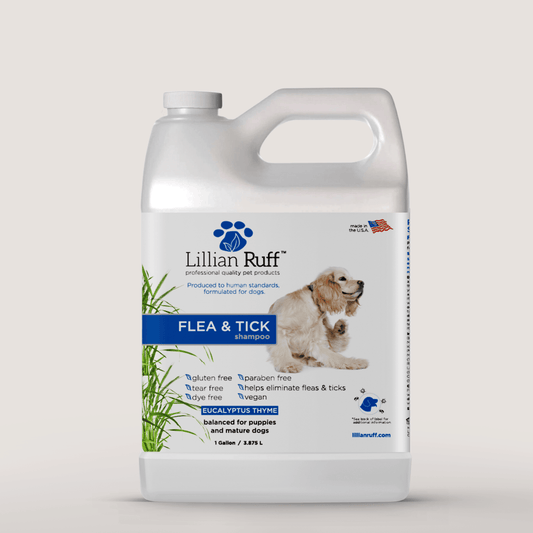
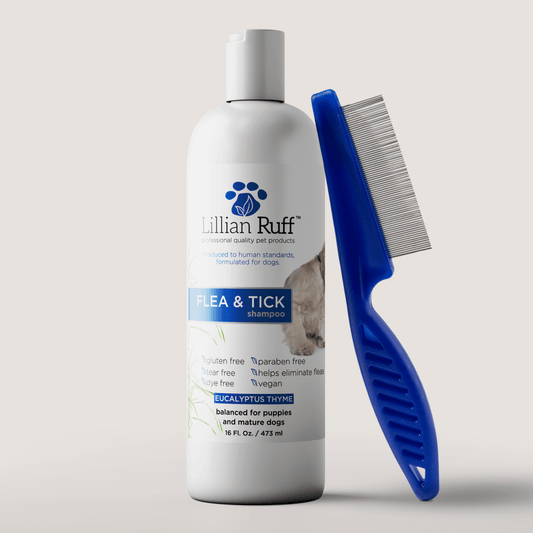
Follow your veterinarian’s year-round flea-and-tick recommendations and use grooming products only as directed.
Fall
Prepare for coat changes
Increase brushing as the coat thickens and seasonal shedding shifts.
Control mud and moisture
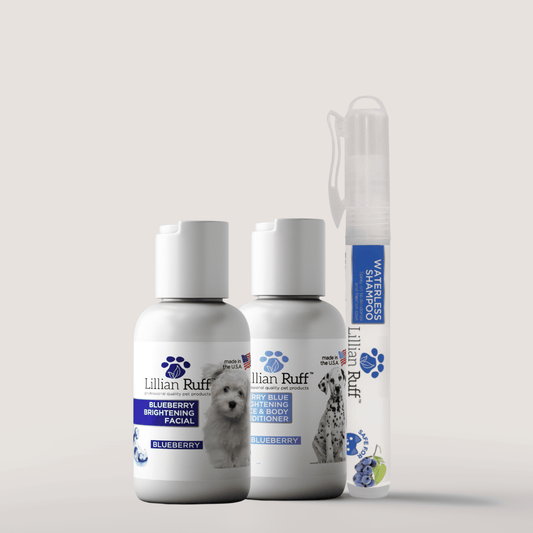
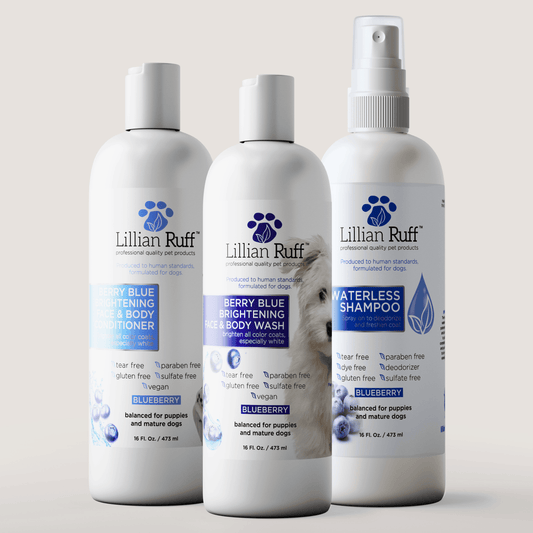
Keep waterless shampoo or towels near the door for paws, bellies, and legs.
Watch for tangles
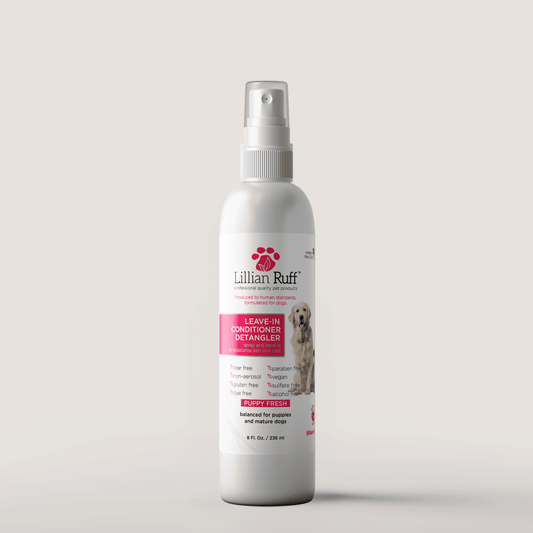
Harnesses, sweaters, wet leaves, and longer coat growth may increase friction and matting.
Winter
Avoid over-bathing
Use gentle products and bathe based on actual need rather than a rigid schedule.
Dry completely
Do not send a damp dog into cold weather. Dry the coat and skin thoroughly.
Protect paws
Wipe away road salt, ice melt, and slush after walks, then inspect pads for irritation.
The best seasonal routine is the one adjusted to your dog’s coat, health, activity, and climate rather than the calendar alone.
Keep Grooming Practical in Every Season
Use gentle, pet-formulated products, follow label directions, and involve your veterinarian whenever grooming reveals pain, infection, sudden hair loss, or persistent irritation.
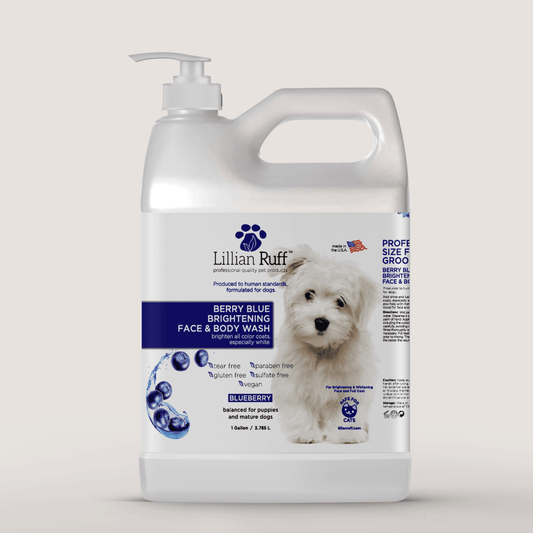
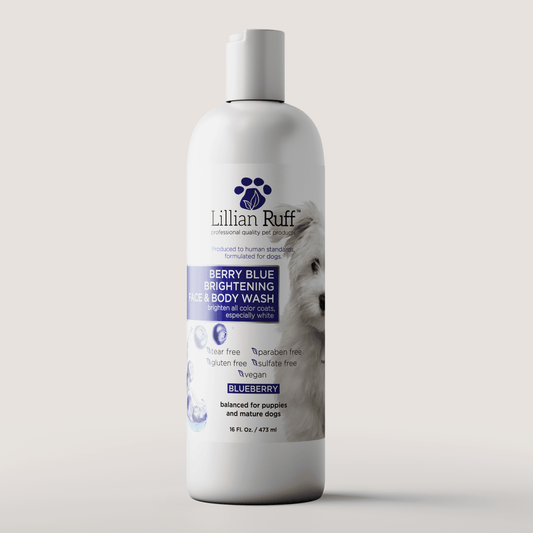
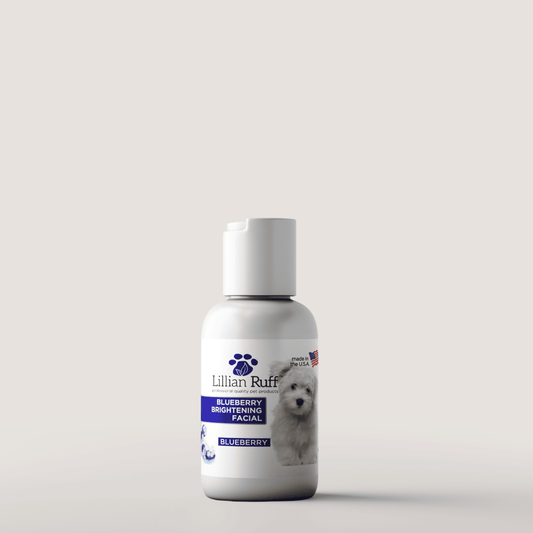
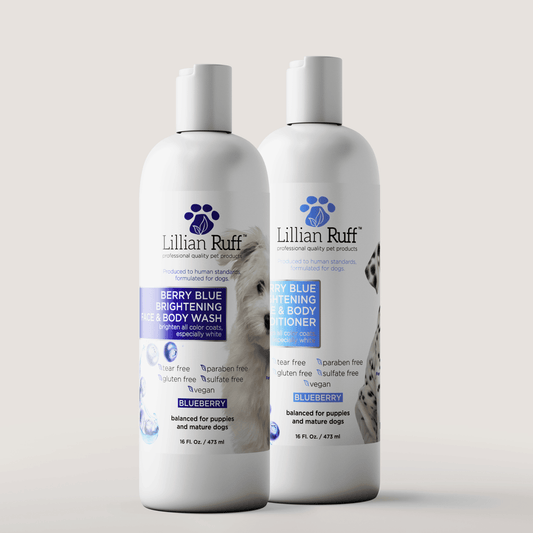
Shop Lillian Ruff Pet Grooming Products