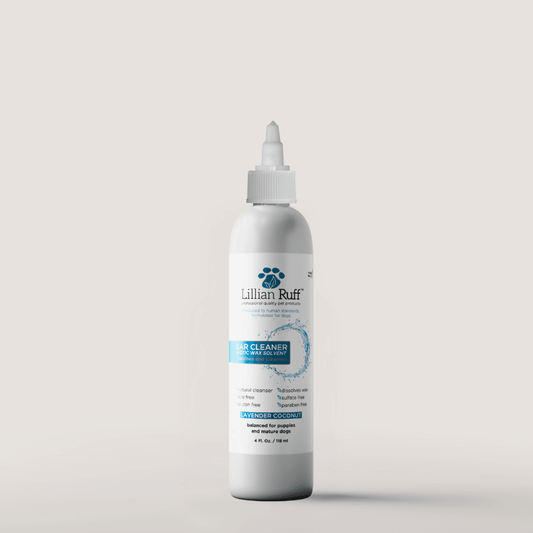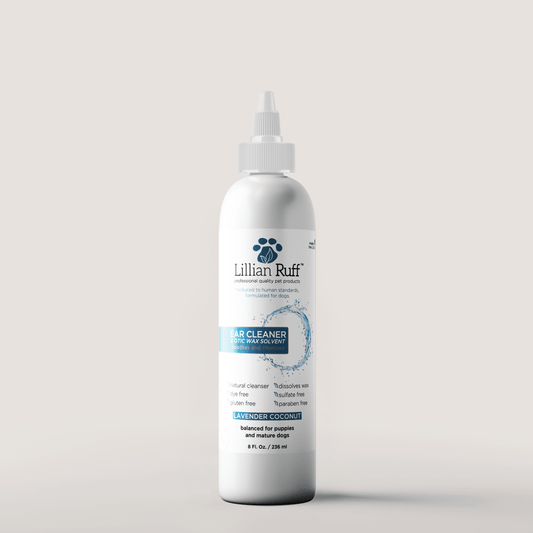


Routine ear checks can help you notice wax, debris, moisture, odor, or irritation before a small concern becomes harder to manage.
Ear cleaning should be gentle and limited to products designed for dogs. Pain, marked redness, discharge, swelling, persistent odor, head tilting, or repeated scratching should be evaluated by a veterinarian before you continue cleaning.
Common Reasons Dog Ears Need Attention
Wax and debris
Normal wax and environmental debris can accumulate, particularly in dogs with long ears or frequent swimming.
Moisture
Water trapped after bathing or swimming can make the ear environment uncomfortable.
Allergies and irritation
Environmental or food sensitivities may contribute to recurring red or itchy ears and require veterinary evaluation.
Infection or mites
Odor, discharge, pain, swelling, or intense scratching may indicate a condition that home cleaning alone will not resolve.
Foreign material
Grass seeds and other debris can become lodged in or around the ear and may require prompt veterinary removal.
Trauma
Cuts, bites, swelling, or sudden pain should be examined rather than repeatedly cleaned at home.
Seven Safer Ear-Cleaning Tips
Inspect first
Do not clean a painful, severely red, swollen, bleeding, or heavily discharging ear. Contact your veterinarian instead.
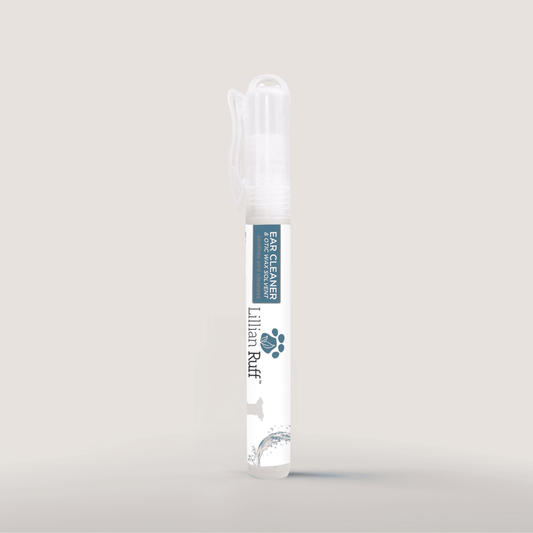
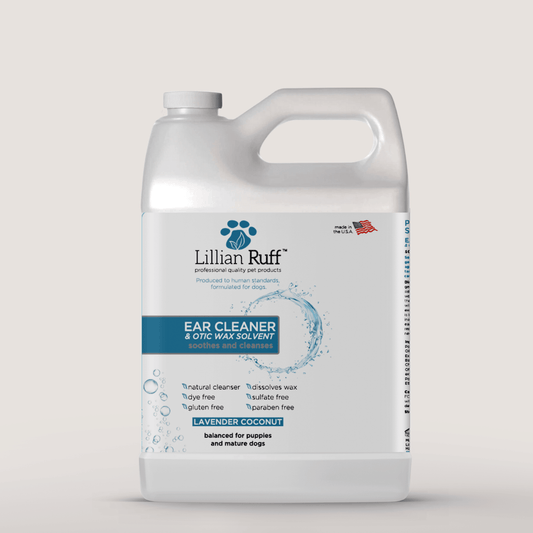
Use a dog-specific cleaner
Use an ear-cleaning solution recommended by your veterinarian or labeled for dogs. Do not improvise with peroxide, alcohol, oils, or household products.
Keep the applicator gentle
Follow the product directions and avoid forcing the bottle tip deep into the ear canal.
Massage the base of the ear
Gently massage the base of the ear so the cleaner can loosen wax and debris.
Let your dog shake
Allow your dog to shake their head, then wipe away material that reaches the visible outer ear.
Use cotton balls or gauze
Wipe only what you can safely see and reach. Do not insert cotton swabs into the ear canal.
Reward and monitor
Praise your dog, keep the ear dry, and contact your veterinarian if symptoms persist or return.
When to Stop and Call the Veterinarian
- Pain when the ear is touched
- Strong or recurring odor
- Yellow, brown, bloody, or heavy discharge
- Marked redness or swelling
- Head tilting, balance changes, or repeated head shaking
- A suspected foreign object
- Symptoms that continue despite routine cleaning
Never use cotton-tipped swabs inside the ear canal. They can push debris deeper or injure the canal or eardrum.
Safety Sources
Make Ear Care Calm, Gentle, and Predictable
Use gentle, pet-formulated products, follow label directions, and involve your veterinarian whenever grooming reveals pain, infection, sudden hair loss, or persistent irritation.
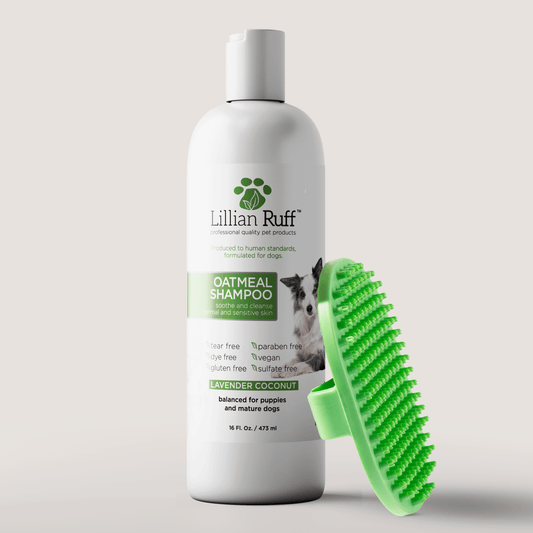
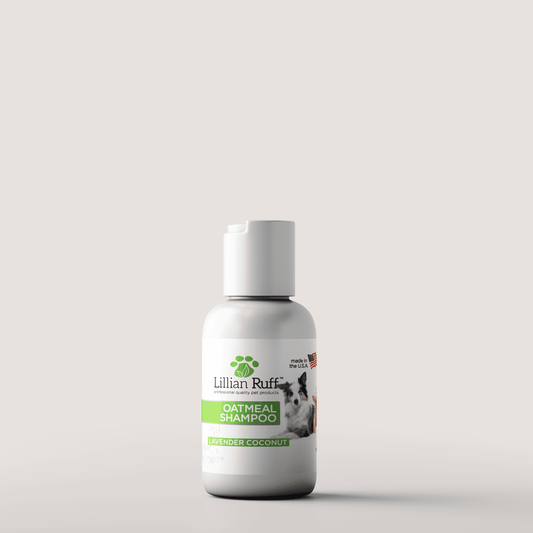
Shop Lillian Ruff Pet Grooming Products