How to Groom Your Poodles at Home 101: Steps, Tips and More

How to Groom Your Poodles at Home 101: Steps, Tips and More
🐾 Breed Grooming Guide

Poodles are known for their dense, curly coats and polished appearance, but maintaining that coat requires consistent care. Because loose hair tends to remain trapped within the curls instead of falling away, Poodles can develop tight tangles and mats when they are not brushed, bathed, dried, and trimmed regularly.

Standard, Miniature, and Toy Poodles have similar grooming needs, although the time involved and the size of the tools may vary. This guide covers brushing, bathing, conditioning, drying, clipping, ear cleaning, nail trimming, and between-bath maintenance.

How Often Should You Groom a Poodle?

A typical Poodle grooming schedule includes:

🪮BrushingAt least 3–4 times per week or daily for longer coats
🛁BathingApproximately every 3–4 weeks
✂️HaircutsEvery 4–8 weeks
👂Ear ChecksOnce per week
🐾Nail TrimmingEvery 3–4 weeks
🦷Dental CareSeveral times per week or daily
Coat length changes the workload

Your Poodle may need more frequent brushing if they have a longer clip, spend significant time outdoors, wear a harness regularly, or develop tangles quickly.

Understanding the Poodle Coat

All Sizes Need the Same Basics

Standard, Miniature, and Toy Poodles all need regular brushing, combing, bathing, drying, clipping, ear care, and nail maintenance. The main differences are grooming time and tool size.

Longer Clips Need More Maintenance

Longer coats trap more loose hair and are more likely to mat. Shorter kennel, sporting, or puppy-style clips reduce daily work, but they do not eliminate regular grooming.

Why Poodles mat so easily

Loose hairs stay caught inside the dense curls instead of falling away. Without brushing and combing from the skin outward, those hairs can become tangled with the surrounding coat.

Poodle Grooming Supplies

Prepare your supplies before beginning so you can keep the process organized, efficient, and comfortable for your dog.

  • Slicker brush
  • Pin brush
  • Stainless-steel grooming comb
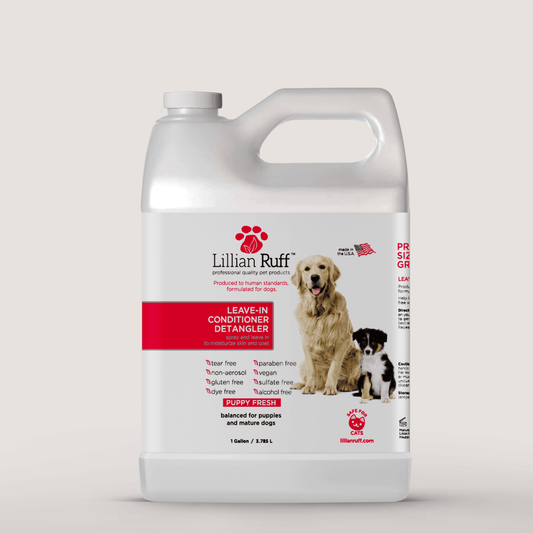
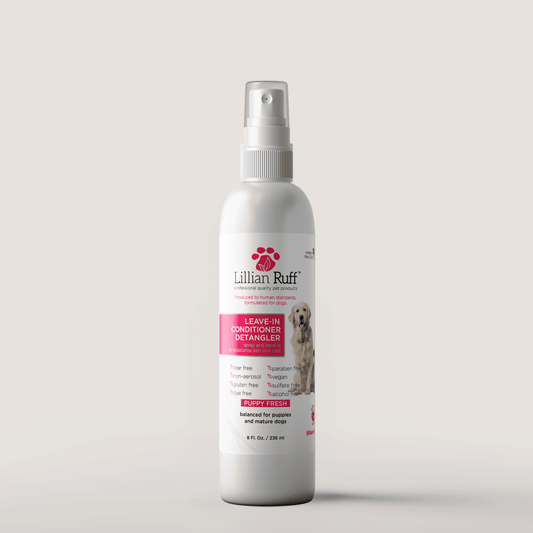
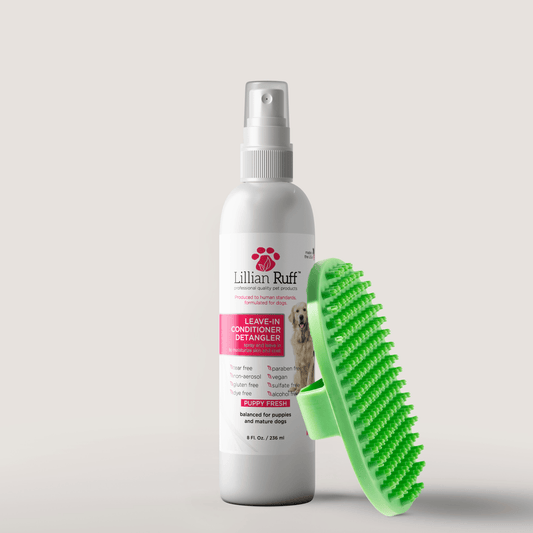
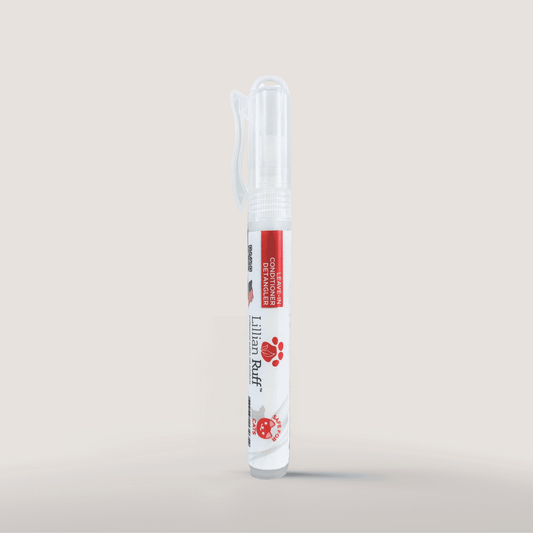
  • Dog-safe detangling spray
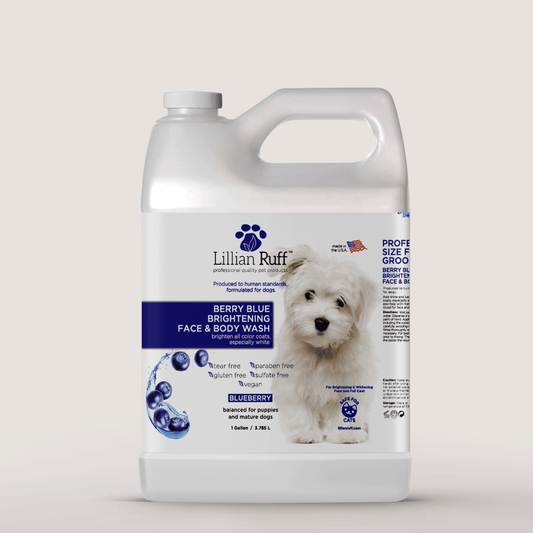
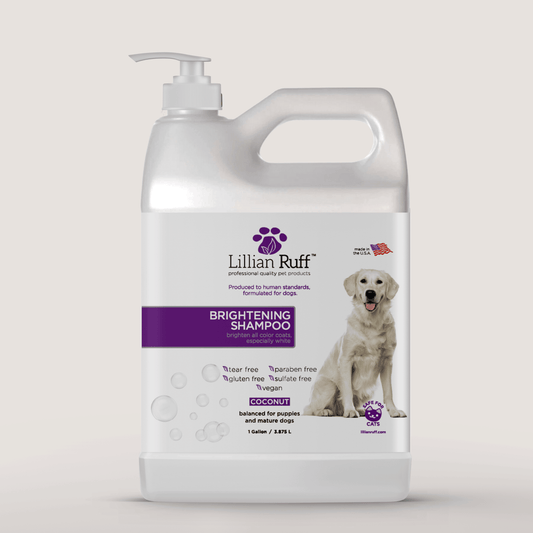
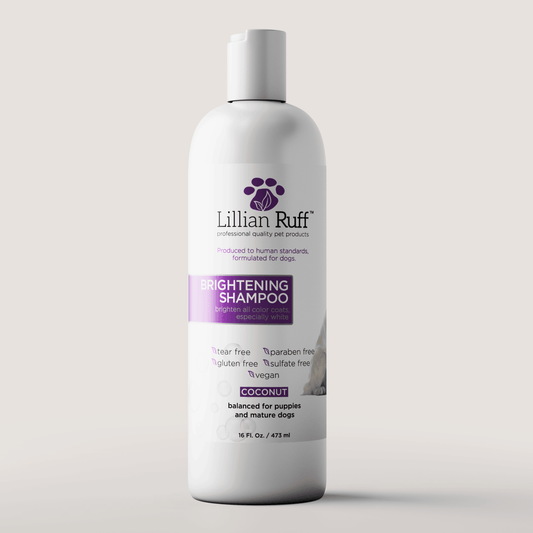
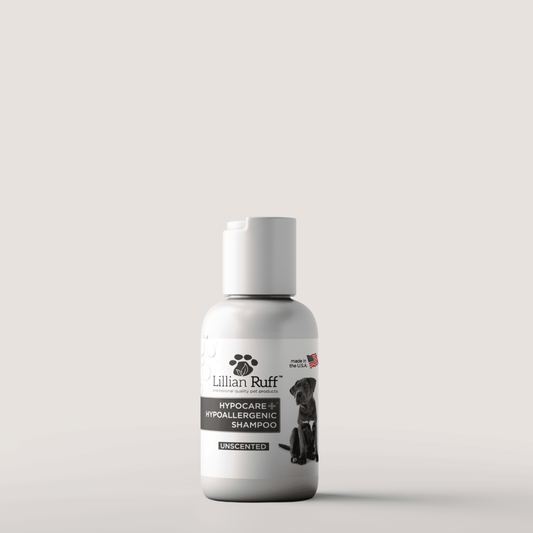
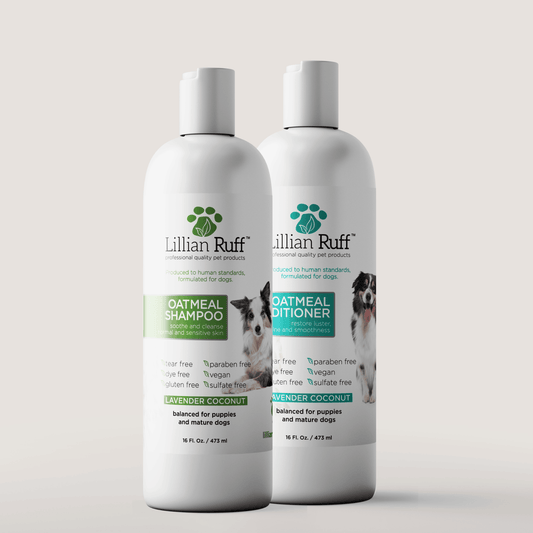
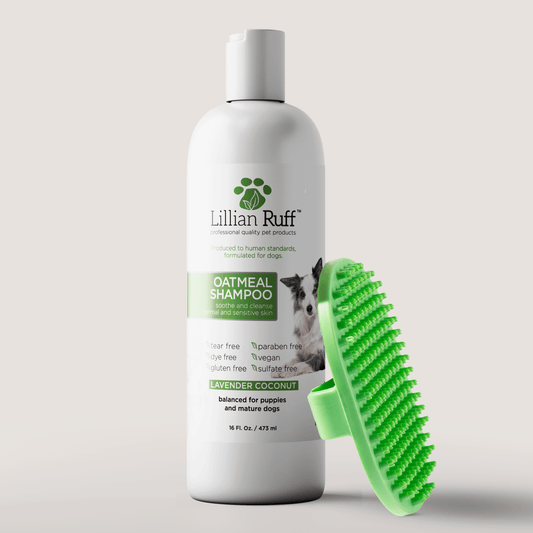
  • Gentle, pH-balanced dog shampoo
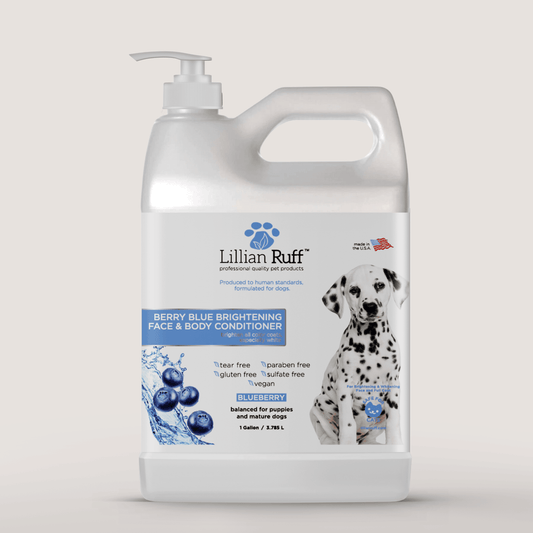
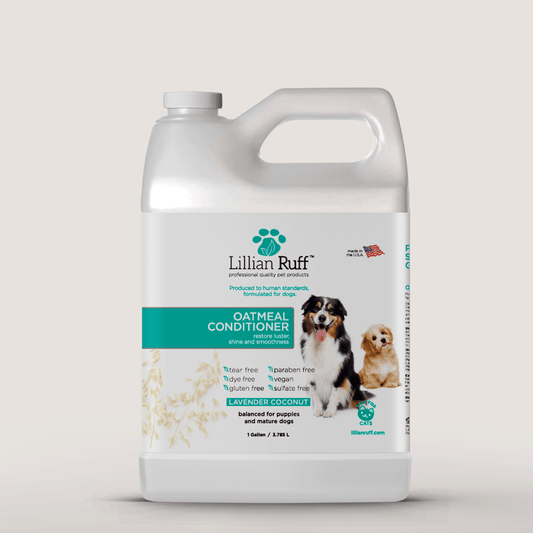
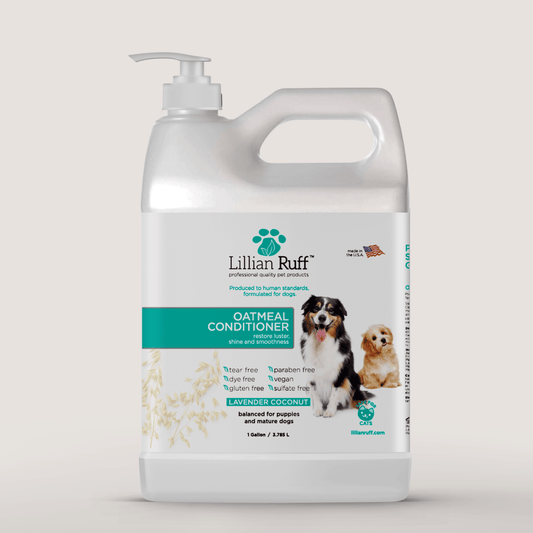
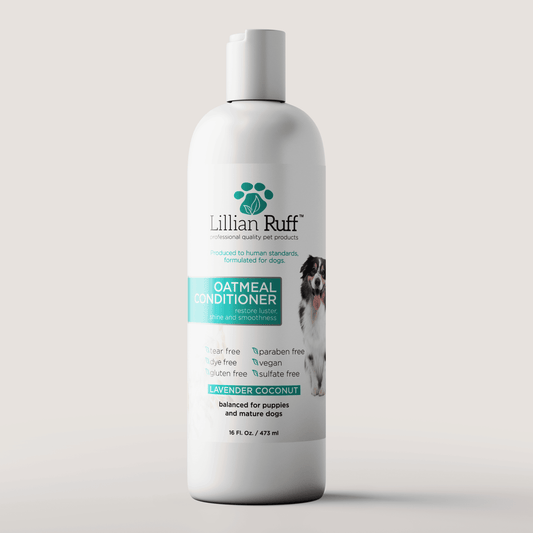
  • Moisturizing dog conditioner
  • Absorbent towels
  • Non-slip bath mat
  • Low-heat pet dryer
  • Dog clippers with appropriate guard combs
  • Blunt-tip grooming scissors
  • Dog ear-cleaning solution
  • Dog nail clippers or nail grinder
  • Treats for positive reinforcement
01

Inspect the Skin and Coat

Before brushing or bathing, examine your Poodle’s coat and skin. Check behind the ears, beneath the collar, under the front legs, inside the rear legs, around the tail, and between the toes.

Look for tangles, mats, redness, bumps, dry patches, hair loss, fleas, trapped moisture, or signs of excessive scratching.

When to contact your veterinarian

Seek veterinary guidance if you notice persistent irritation, swelling, broken skin, discharge, or a strong odor.

02

Check the Coat for Mats

Run your fingers gently through the coat to locate knots and mats before brushing. Poodles commonly develop tangles in areas where the coat experiences friction or retains moisture.

Pay particular attention to:

Behind the ears
Under the collar or harness
Under the front legs
Inside the rear legs
Around the tail
At the base of the legs
Between the toes
Remove tangles before bathing

Water can cause existing mats to tighten and become more difficult to remove.

03

Mist and Brush the Coat

Lightly mist the coat with a dog-safe detangling spray before brushing. Brushing completely dry curls too aggressively may create static, increase breakage, and make grooming uncomfortable.

Divide the coat into small sections. Begin near the ends and gradually work toward the roots. Support the hair close to the skin with one hand to reduce pulling while brushing with the other.

Finish with the comb test

After brushing each section, use a stainless-steel comb to check your work. It should move from the skin to the ends without catching.

04

Use Line Brushing

Line brushing helps ensure you are reaching the entire coat instead of smoothing only the outer curls.

  1. Have your Poodle sit or lie in a comfortable position.
  2. Part a narrow section of hair near the lower body.
  3. Lightly mist the exposed section with detangling spray.
  4. Brush from the roots toward the ends.
  5. Create another narrow part above the first section.
  6. Continue working upward until the entire area has been brushed.
Do not trust the surface

Use the metal comb after brushing to identify any remaining tangles close to the skin.

05

Detangle Carefully

Hold the hair close to the skin to reduce pulling and work through knots from the ends toward the roots. Use short, controlled brush strokes rather than repeatedly pulling through the entire tangle.

Make Knots Easier to Manage

A dog-safe detangling spray can add slip and help you work through small tangles more gently.

Never cut tightly against a mat

Skin can become pulled into the tangle, making accidental injury more likely. Severe or tightly packed mats should be removed by a professional groomer.

06

Prepare the Bath

Place a non-slip mat in the tub and use lukewarm water. Keep shampoo, conditioner, towels, and drying equipment within reach before bringing your dog into the bathing area.

Make sure all significant mats and tangles have been addressed before wetting the coat.

Plan enough time

Poodle hair can be dense, so allow enough time to wet, rinse, and dry the coat thoroughly rather than rushing through the process.

07

Wet and Shampoo the Coat

Wet your Poodle from the neck down using a gentle sprayer or cup. Work your fingers through the curls so the water reaches the skin beneath the coat.

Massage dog shampoo gently through the hair using your fingertips. Work in the direction of hair growth rather than rubbing, twisting, or bunching the curls together.

Focus on the chest, stomach, legs, paws, rear area, and beneath the collar or harness. Avoid spraying water directly into the eyes, ears, or nose.

Choose Coat-Supporting Care

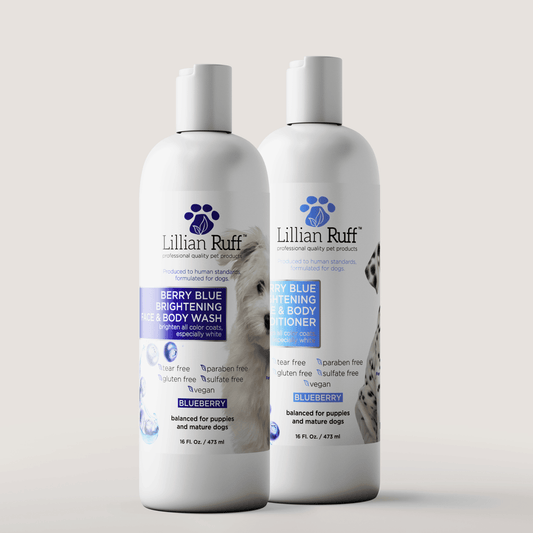
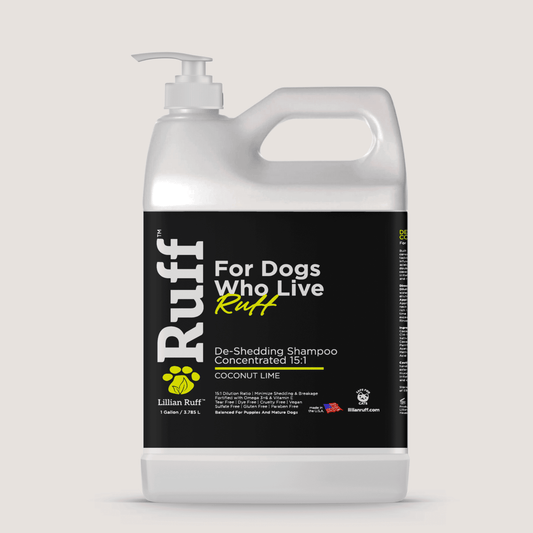
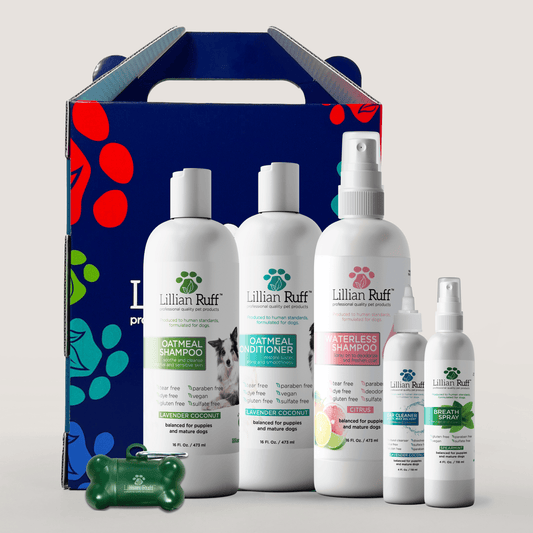
Poodles may benefit from moisturizing, concentrated, and odor-control formulas suited to dense, curly coats.

08

Rinse Thoroughly

Rinse until the water runs clear and the coat no longer feels slick. Because a Poodle’s coat can be thick and dense, shampoo may remain close to the skin if rinsing is rushed.

Pay particular attention to the chest, stomach, legs, underarms, paws, and base of the tail.

Residue can hide inside the curls

Shampoo left behind may contribute to itching, dryness, and a dull-looking coat.

09

Apply Conditioner

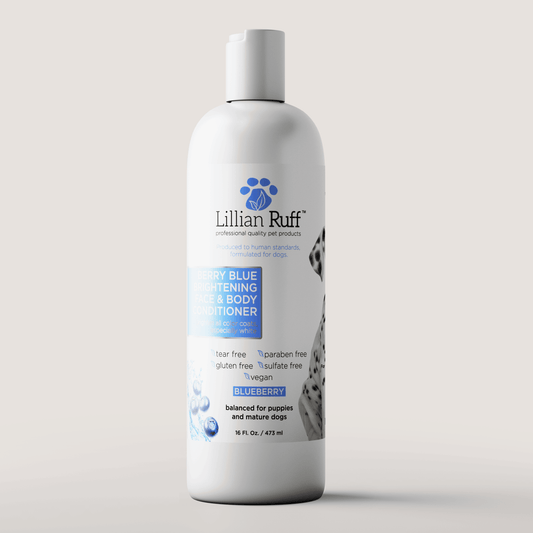
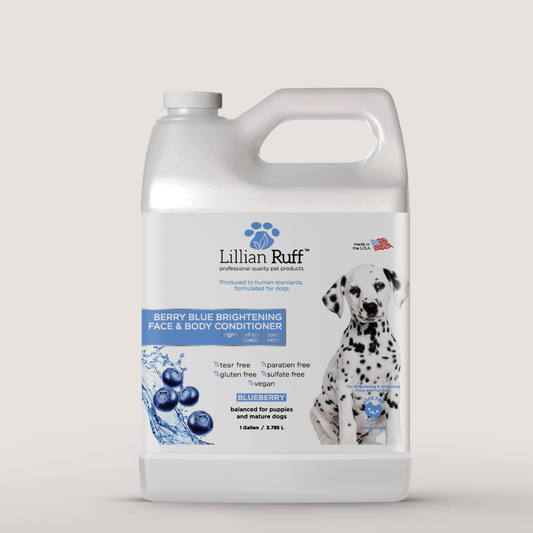
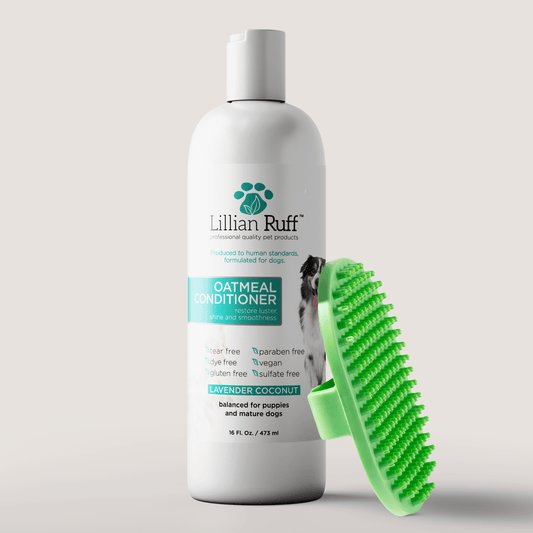
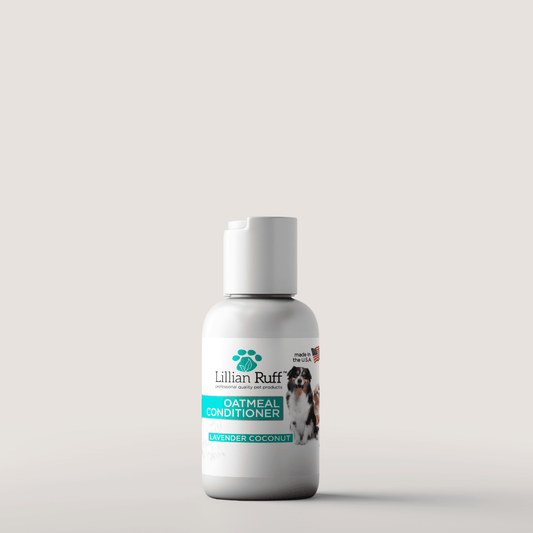
Apply a dog-safe conditioner according to the product instructions. Conditioner can help reduce friction, improve manageability, and make the coat easier to brush after bathing.

Distribute it gently through the coat without twisting or scrubbing the curls. Focus on longer areas and sections that are most likely to tangle.

Rinse thoroughly unless the product is specifically formulated as a leave-in conditioner.

Support a Softer, More Manageable Coat

A moisturizing conditioner can help reduce friction and make post-bath brushing easier.

10

Towel-Dry Without Creating Tangles

Gently squeeze excess water from the coat and press an absorbent towel against the hair. Avoid rubbing your Poodle vigorously with the towel.

Press, do not scrub

Rough towel drying can twist the curls together and create new tangles. Wrap your dog in a dry towel and press gently until the coat is no longer dripping.

11

Blow-Dry and Brush the Coat

Proper drying is one of the most important parts of grooming a Poodle. Allowing the coat to air-dry may cause the curls to tighten around small tangles and make the coat more difficult to maintain.

Use a pet dryer on a cool or low-warm setting while brushing the coat in small sections. Keep the dryer moving and avoid directing concentrated heat toward the skin, face, or ears.

Brush from the roots toward the ends as each section dries. Make sure the coat is completely dry, particularly near the skin, beneath the ears, under the legs, and around the feet.

Drying shapes the finished coat

Brushing while drying helps create a smoother, more manageable coat and makes remaining tangles easier to find.

12

Comb the Coat After Drying

Once the coat is dry, use a metal comb to check the entire body. The comb should move smoothly from the skin to the ends of the hair.

Recheck behind the ears, beneath the collar, under the front legs, inside the rear legs, around the tail, and between the toes.

If the comb catches

Apply a small amount of detangling spray and work through the knot gently rather than pulling forcefully.

13

Trim the Face, Feet, and Sanitary Areas

Traditional Poodle grooming often includes closely clipped facial hair, feet, and sanitary areas. These sections require careful clipper handling because the skin can be thin, folded, and uneven.

Use clippers only when your dog is calm and still. Keep the blade flat against the body and move slowly in the direction appropriate for the desired trim.

Precision areas require experience

Owners without clipping experience should leave close face, foot, and sanitary trimming to a professional groomer.

14

Maintain the Body Clip

Experienced owners may use clippers with guard combs to maintain a shorter body coat between professional grooming appointments.

The coat should be completely clean, dry, brushed, and free of mats before clipping. Clippers may snag, pull, or leave an uneven finish when used on dirty, damp, or tangled hair.

Check the blade temperature often

Hot blades can burn the skin. Move the clippers smoothly and stop if your dog becomes anxious, moves unpredictably, or shows signs of discomfort.

15

Check and Clean the Ears

Inspect your Poodle’s ears once a week. Their drop ears and surrounding hair can limit airflow and allow moisture or wax to collect.

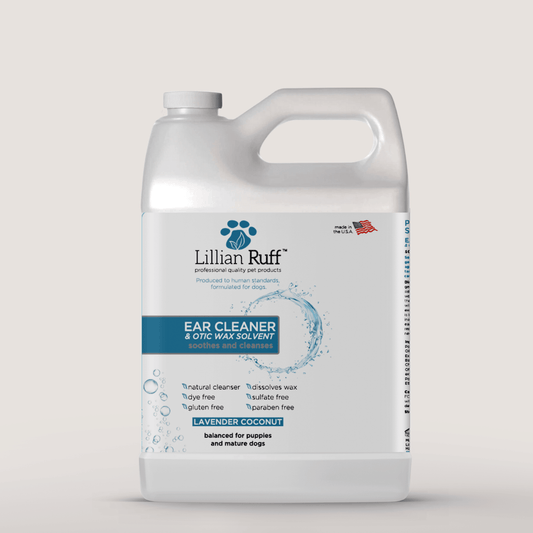
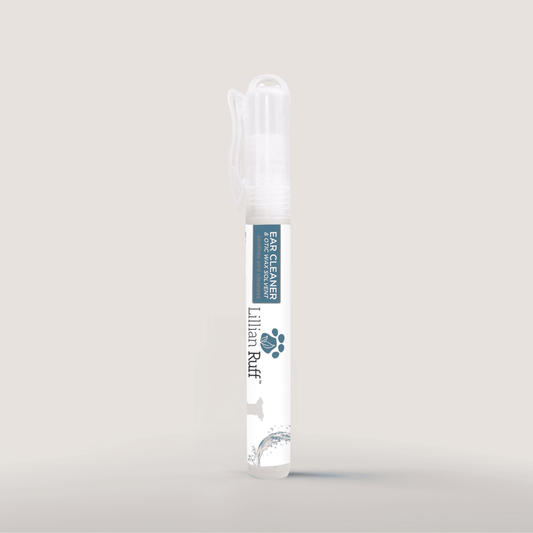
Use a dog-specific ear cleaner according to the label instructions. Wipe only the visible outer ear with a soft cotton pad or cloth. Never push cotton swabs or other objects deep into the ear canal.
Ear-hair plucking is not universal

It may irritate some dogs and is not necessary for every Poodle. Ask your veterinarian or professional groomer whether it is appropriate for your dog.

Watch for ear trouble

Contact your veterinarian if you notice swelling, pain, dark discharge, frequent head shaking, scratching, or a strong odor.

16

Trim the Nails

Trim your Poodle’s nails approximately every three to four weeks. Long nails may affect balance, posture, traction, and comfort while walking.

Remove only a small amount at a time and avoid cutting into the quick. A nail grinder may provide greater control, although your dog should be introduced to its sound and vibration gradually.

Not comfortable trimming?

Ask a professional groomer or veterinarian for assistance if your dog has dark nails or becomes anxious during nail care.

17

Freshen the Coat Between Baths

Brush and comb the coat regularly between baths, paying close attention to high-friction areas. Addressing minor tangles early can help prevent them from becoming tight, painful mats.

Refresh Without a Full Bath

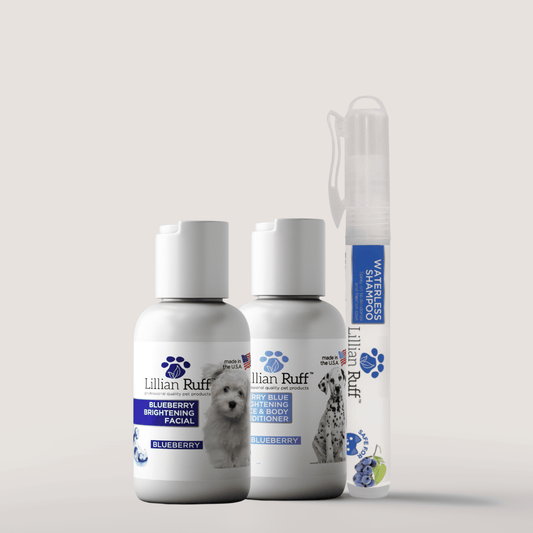
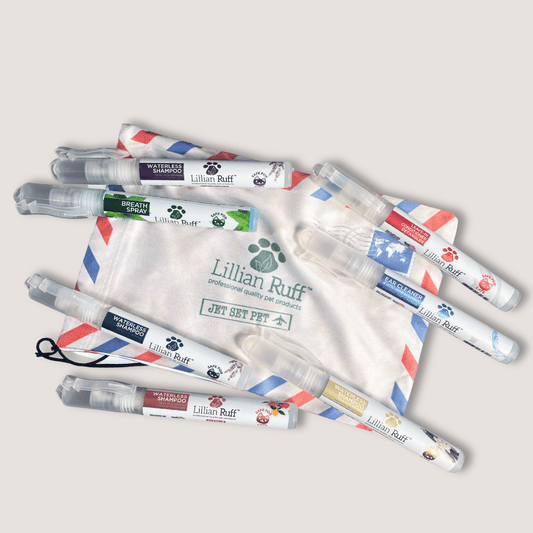
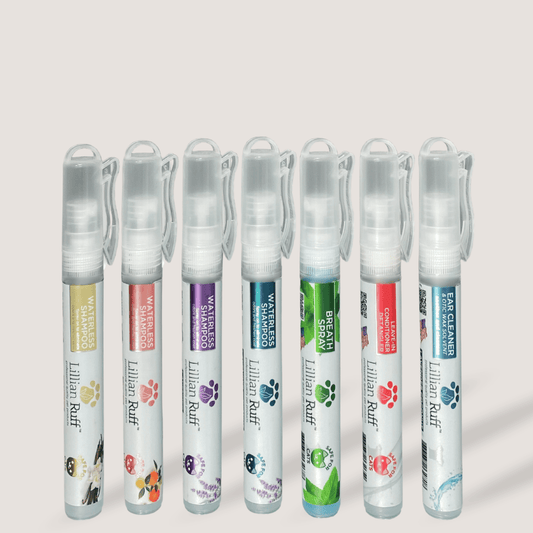
A waterless dog shampoo can help freshen your Poodle’s coat between full grooming sessions.

Common Poodle Grooming Mistakes

  • Bathing the coat before removing mats
  • Brushing only the outer layer of curls
  • Brushing dry hair too aggressively
  • Failing to comb from the skin to the ends
  • Rubbing the coat vigorously with a towel
  • Allowing a tangled coat to air-dry
  • Using clippers on dirty, damp, or matted hair
  • Failing to check clipper blade temperature
  • Attempting close clipping without experience

Do Poodles Need Professional Grooming?

Recommended Every 4–8 Weeks

Most Poodles benefit from professional grooming. The exact schedule depends on coat length, clip style, lifestyle, and how much maintenance you perform at home.

What a Groomer Can Handle

A professional can provide breed-specific clips, shorter maintenance styles, face and foot shaving, sanitary trimming, ear care, nail trimming, and thorough coat preparation.

Shorter clips are easier, not maintenance-free

Kennel, sporting, and puppy-style clips can reduce daily work, but regular brushing, bathing, conditioning, ear care, nail trimming, and professional shaping remain necessary.

Frequently Asked Questions

How often should I brush my Poodle?

Most Poodles should be brushed at least three to four times per week. Dogs with longer coats may require daily line brushing and combing.

How often should a Poodle be bathed?

Many Poodles can be bathed approximately every three to four weeks. Dogs with medical skin conditions should follow a veterinarian-recommended schedule.

Can I cut my Poodle’s hair at home?

Experienced owners may be able to maintain a simple body clip with guarded clippers. Close trimming around the face, feet, ears, and sanitary areas is often safer when performed by a professional groomer.

Why does my Poodle mat even though the breed does not shed much?

Loose hairs remain trapped within the curly coat instead of falling away. Without regular brushing and combing, those hairs become tangled with the surrounding coat.

Can I let my Poodle air-dry?

Air-drying may cause curls to tighten around small tangles. Brushing while blow-drying generally creates a smoother, more manageable coat.

Should I use conditioner on my Poodle?

A dog-safe conditioner can help reduce friction, support moisture, and make a Poodle’s dense coat easier to brush and comb.

Keep Your Poodle’s Coat Clean and Manageable

Poodles rely on their owners for regular brushing, detangling, bathing, conditioning, drying, clipping, ear checks, nail trimming, and coat maintenance. A consistent routine can help prevent painful mats while keeping the coat soft, clean, and comfortable.

Explore Lillian Ruff Grooming Products
🐾 Join the Lillian Ruff Pack
Get fresh grooming tips, pet-care secrets, and exclusive offers sent straight to your inbox. ✨
0+
Million Units Sold

Fan Favorites

Skincare-Level_Formulation_4
Before
After
Skincare-Level_Formulation_3