
How to Groom Your Huskies at Home 101: Steps, Tips and More

Siberian Huskies are known for their thick double coats and heavy shedding. Learning how to groom huskies at home is essential for removing dirt and loose undercoat that brushing alone may not eliminate.
A Husky’s dense coat requires a different bathing approach than a short-haired breed. The undercoat must be fully saturated and dried completely to prevent irritation.
This guide explains how to groom huskies at home, from preparing the coat to managing shedding between baths.

How Often Should You Groom Huskies at Home?
Most Huskies do not need frequent baths. Their coats naturally help repel dirt, and overbathing may remove beneficial oils.
Maintaining a consistent schedule helps manage the shedding process and keeps the skin healthy.
A typical Husky coat-care schedule includes:
- Brushing: At least two to three times per week
- Brushing during shedding season: Daily or as needed
- Bathing: Approximately every six to eight weeks or when noticeably dirty
- Paw cleaning: After muddy walks or as needed
- Ear checks: Once per week and after baths
Your dog may need more care after swimming or rolling in dirt. When you groom huskies at home, follow a veterinarian-recommended schedule for medical skin conditions.
Husky Bathing Supplies
Gather all supplies before starting. A thick double coat takes time to wash and dry. Preparation makes the process easier.
Using high-quality tools prevents tangles and ensures the skin is reached through the dense fur.
- Undercoat rake or de-shedding brush
- Slicker brush
- Gentle, pH-balanced dog shampoo
- Dog-safe conditioner
- Handheld sprayer or large rinsing cup
- Several absorbent towels
- High-velocity pet dryer or low-heat pet dryer
- Soft washcloth
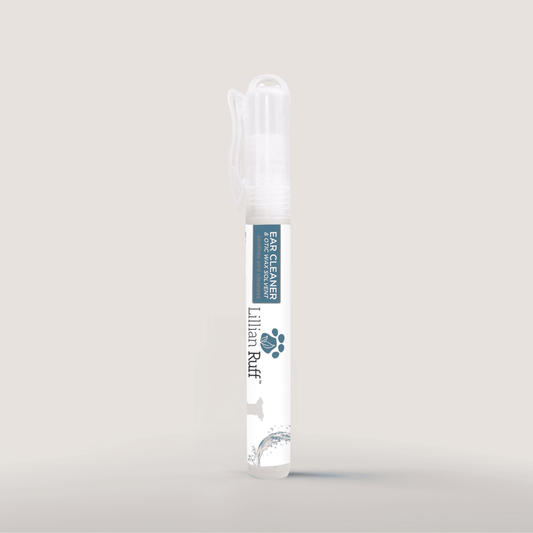
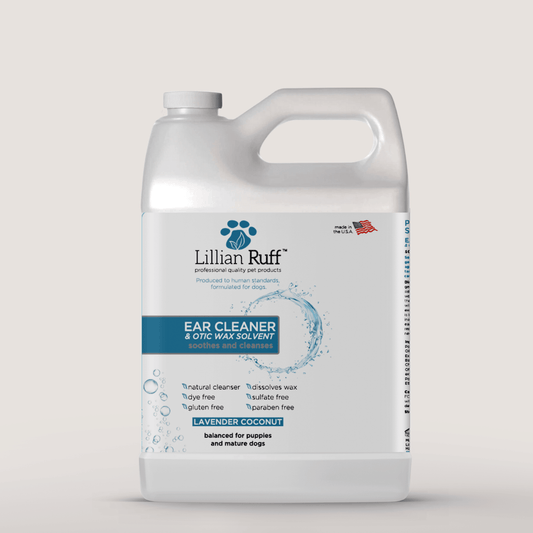
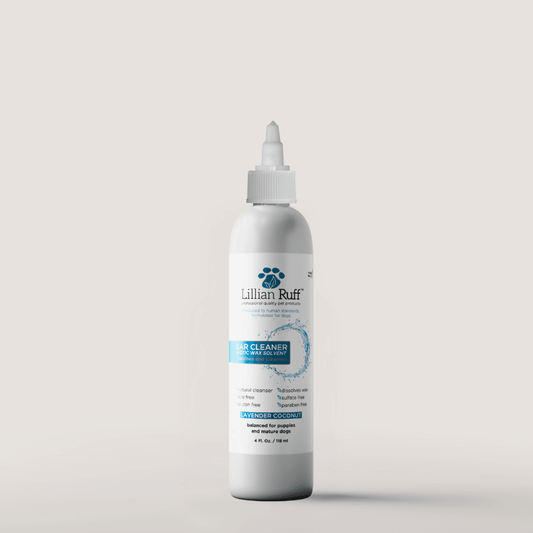
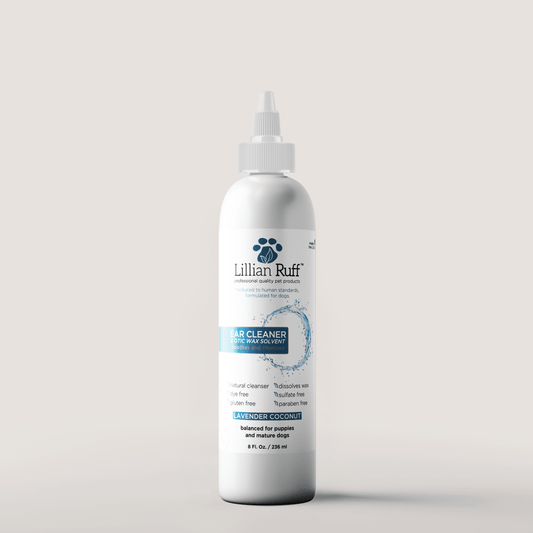
- Dog ear-cleaning solution
- Treats for positive reinforcement
Avoid using human shampoo. These products may be too harsh and are difficult to rinse from a dense coat.
Step 1: Inspect the Skin and Coat
Before bathing, examine the skin. Part the fur to see beneath the dense outer coat. This is a vital step to groom huskies at home.
Checking for irregularities helps you identify issues before they are aggravated by water or shampoo.
Look for:
- Red or irritated skin
- Dry or flaky patches
- Bumps, scabs, or hot spots
- Fleas, ticks, or flea dirt
- Hair loss or thinning areas
- Strong or unusual odors
- Excessive scratching, chewing, or licking
Contact your vet for open sores or discharge. Routine care to groom huskies at home cannot treat medical infections.
Step 2: Brush Out Loose Undercoat
Brush thoroughly before the bath. Removing loose undercoat helps shampoo reach the skin. It is the best way to groom huskies at home.
Begin with a slicker brush. Work in manageable sections in the direction of hair growth.
During coat blows, removing fur first reduces tangling and shortens drying time. This keeps hair out of the drain.
Step 3: Remove Small Tangles
Small tangles can form behind the ears or around the tail. Address these before you begin bathing your dog.
Hold the hair close to the skin. Loosen the knot gently from the ends toward the roots.
Do not pull forcefully. Severe tangles may require help from a professional groomer.
Step 4: Prepare a Safe Bathing Area
Place a non-slip mat in the tub. Keep shampoo and towels within easy reach to groom huskies at home efficiently.
Use lukewarm water. Water that is too hot can contribute to dryness, while cold water may cause resistance.
A walk-in shower or raised station is often easier than a small sink for these large dogs.
Step 5: Wet the Coat Completely
A Husky’s double coat resists water. Thoroughly wetting the hair may take several minutes when you groom huskies at home.
Begin at the shoulders. Use your fingers to help water reach the undercoat and skin.
Continue until the dense undercoat feels fully soaked. Avoid spraying water directly into the eyes or ears.
Step 6: Apply Dog Shampoo
Apply a gentle shampoo and work it through the coat. This is a key part of the process.
Massage the shampoo down to the skin. Work in sections to ensure the product reaches the undercoat.
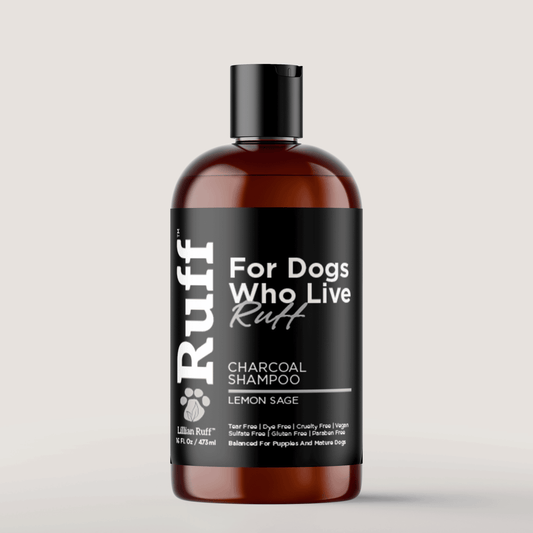
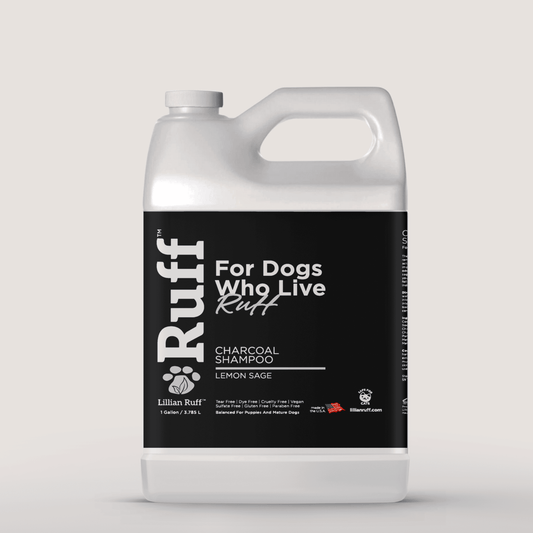
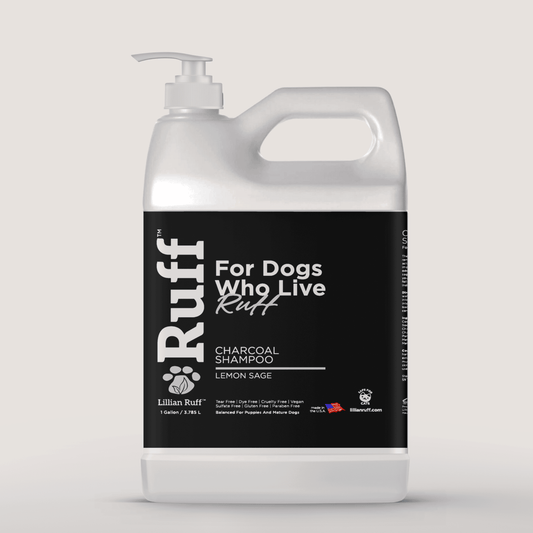
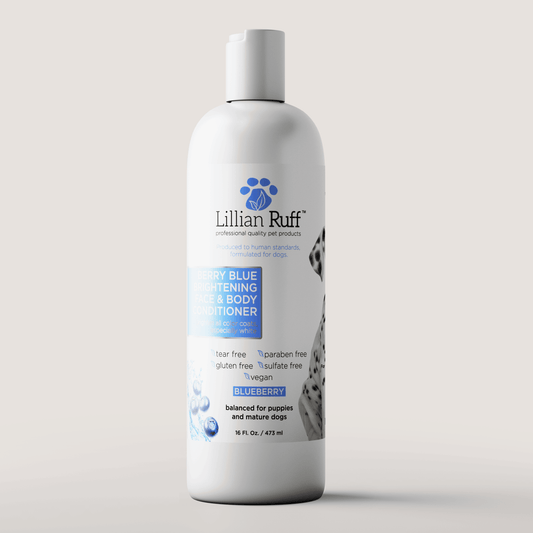
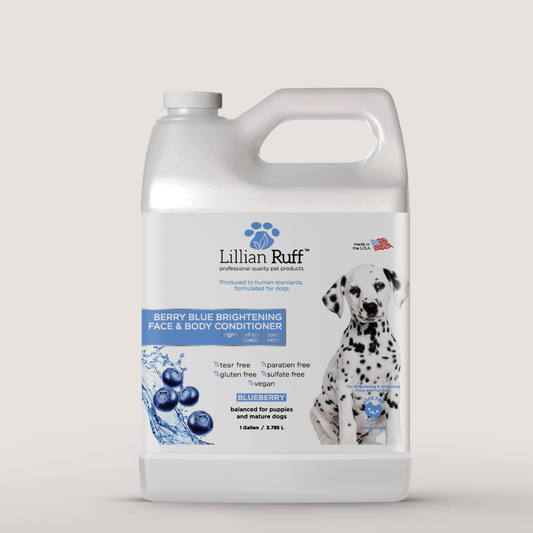
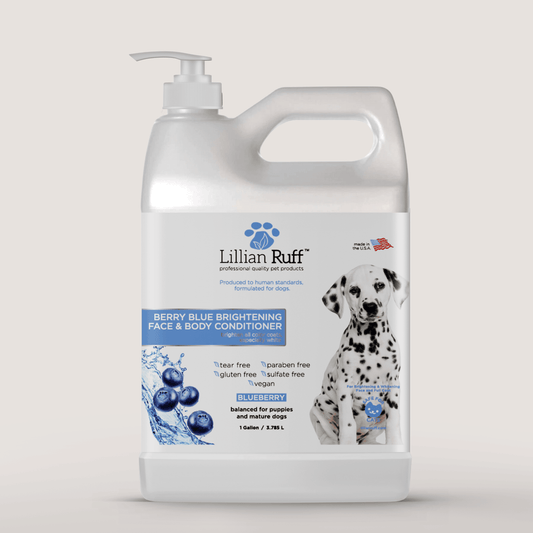
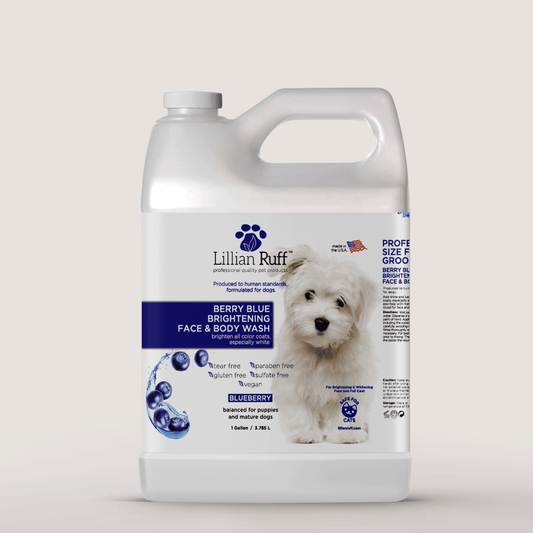
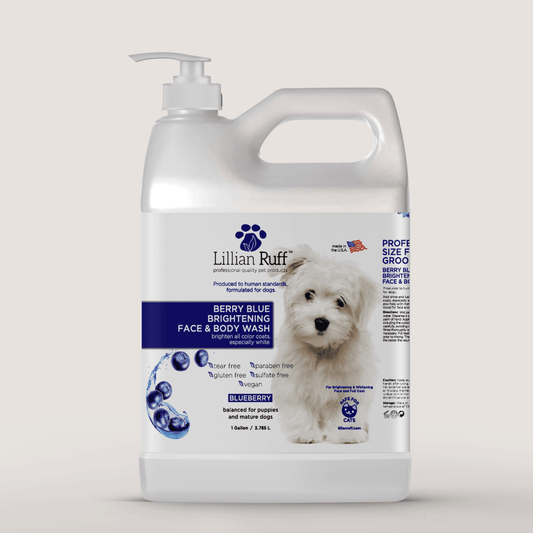
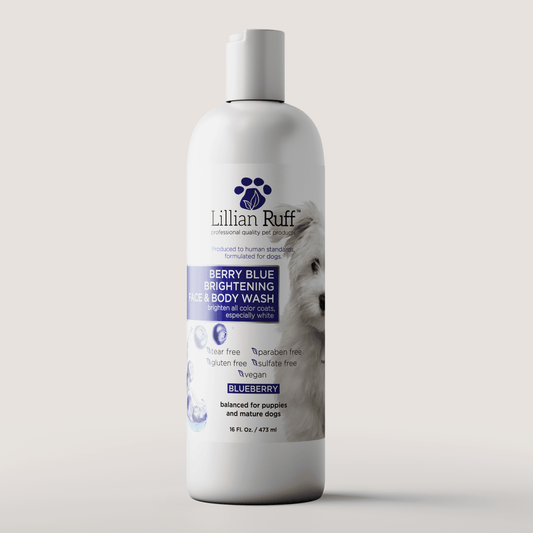
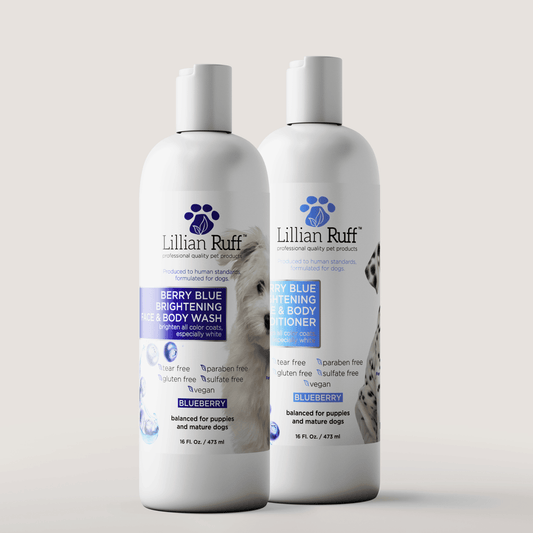
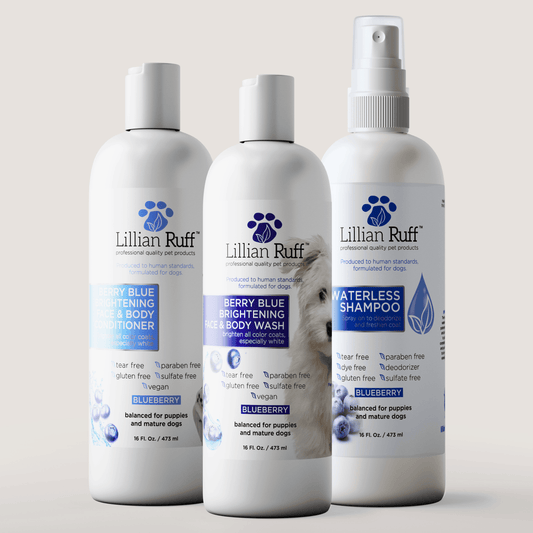
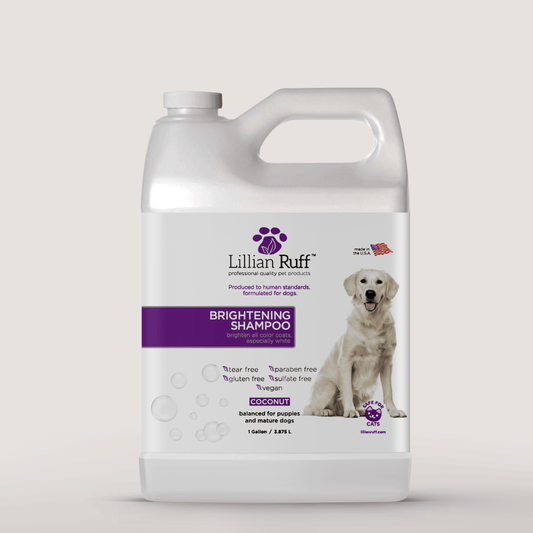
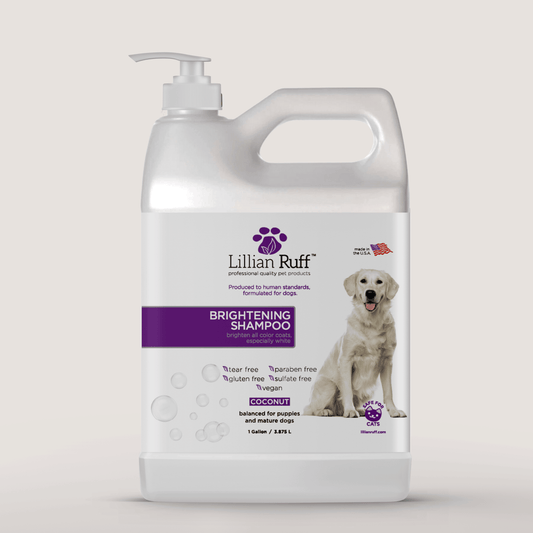
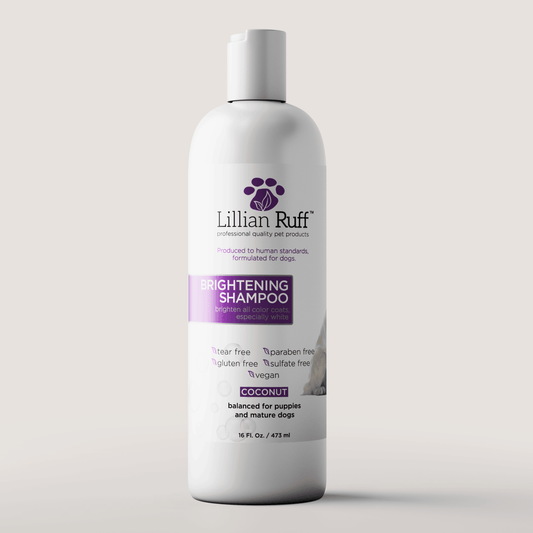
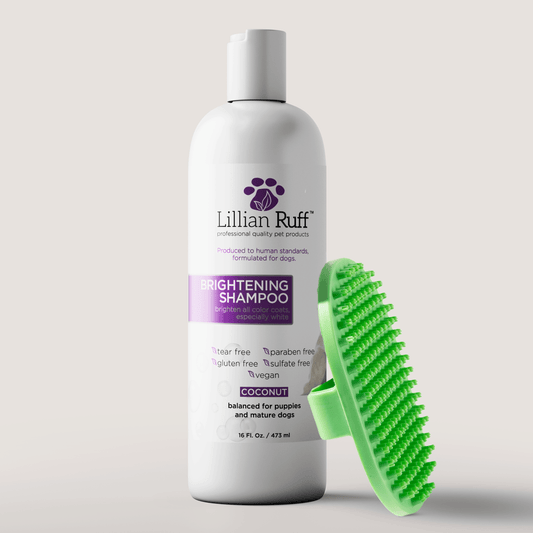
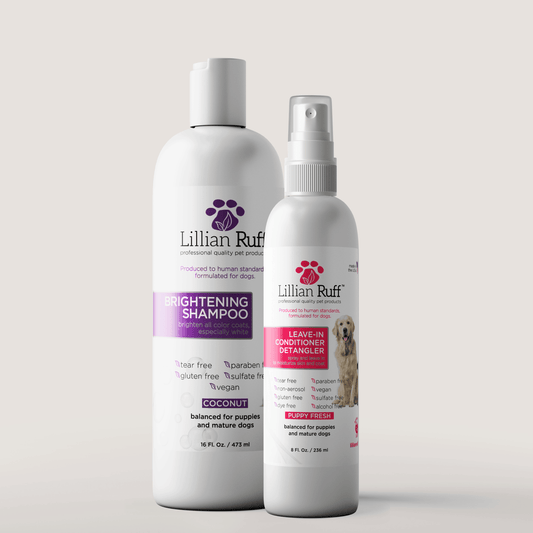
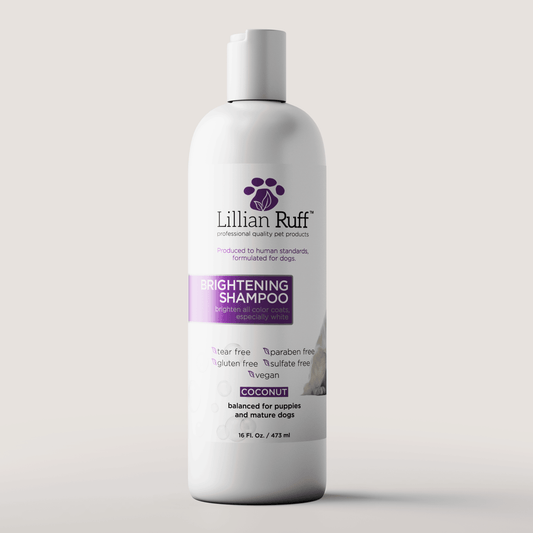
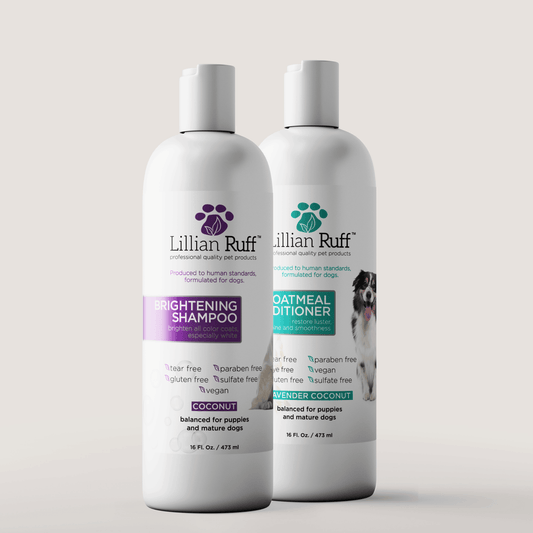
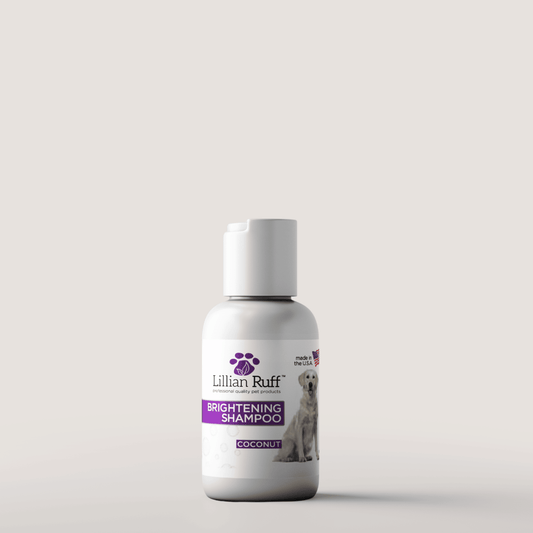
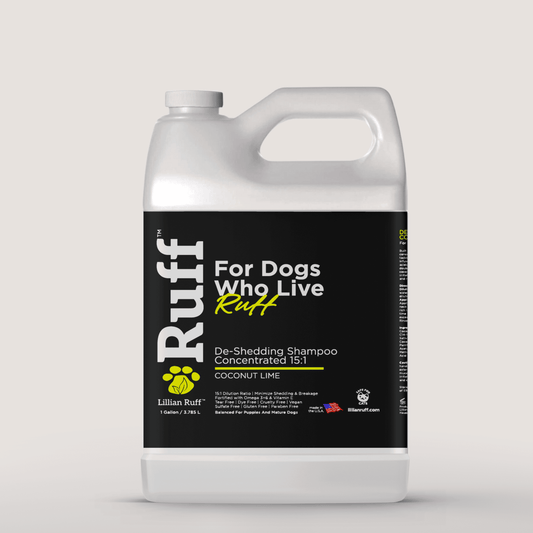
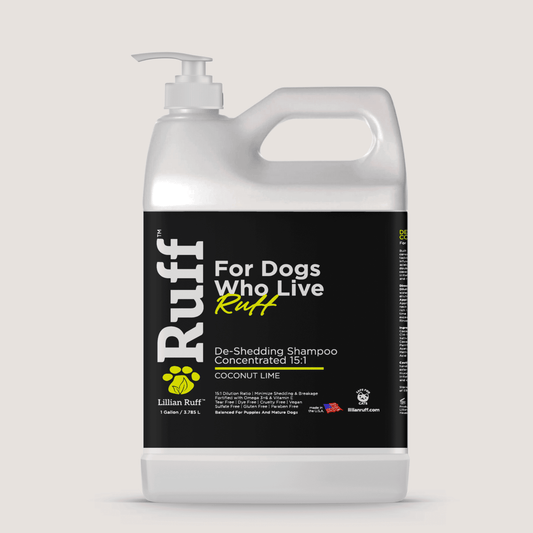
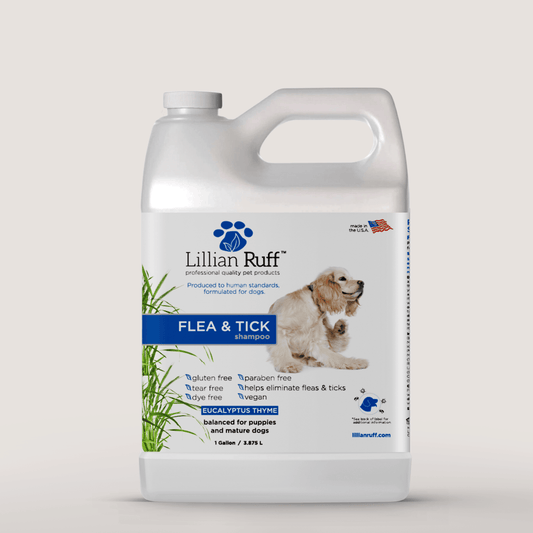
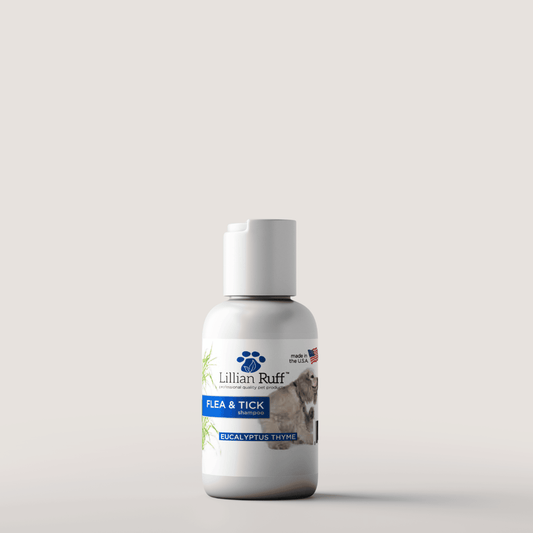
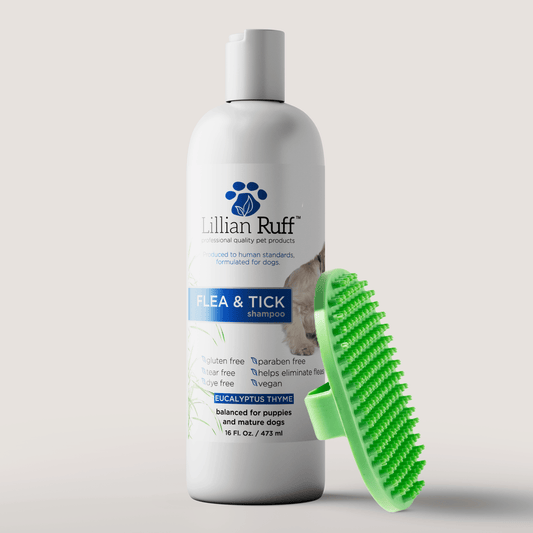
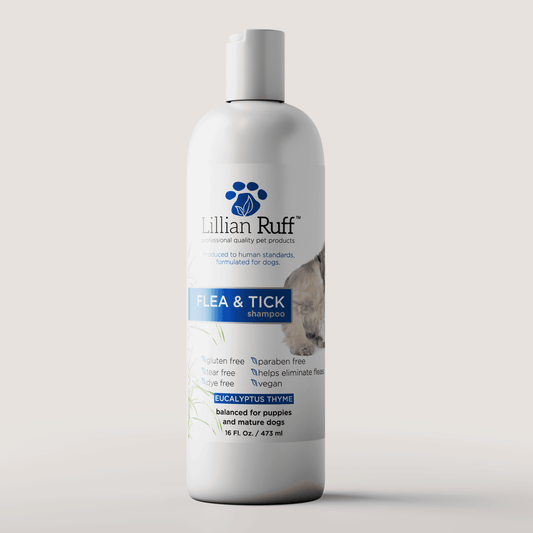
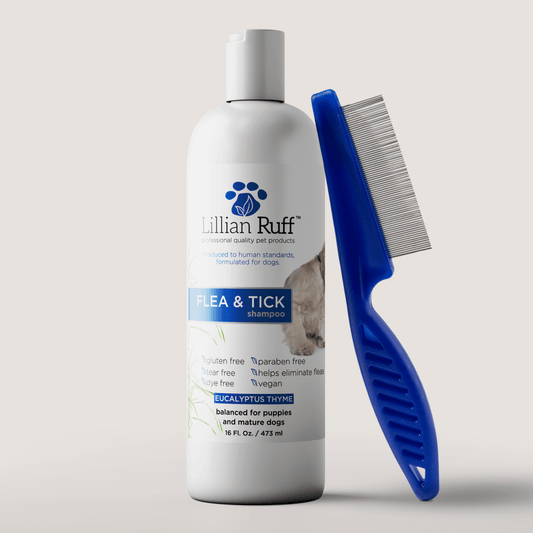
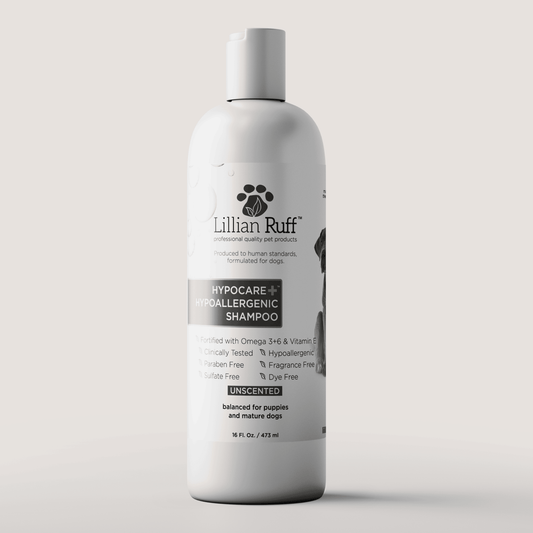
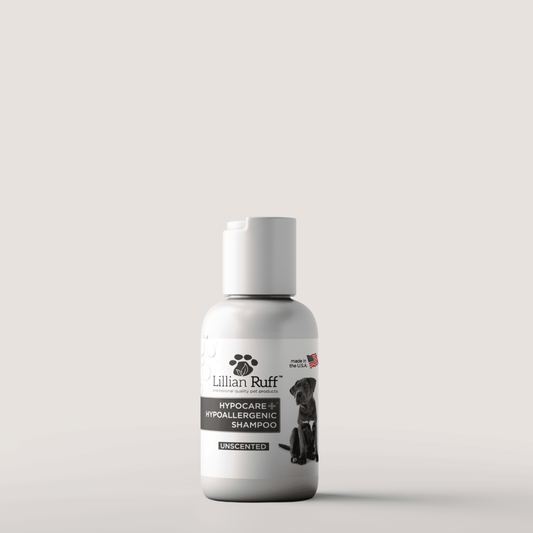
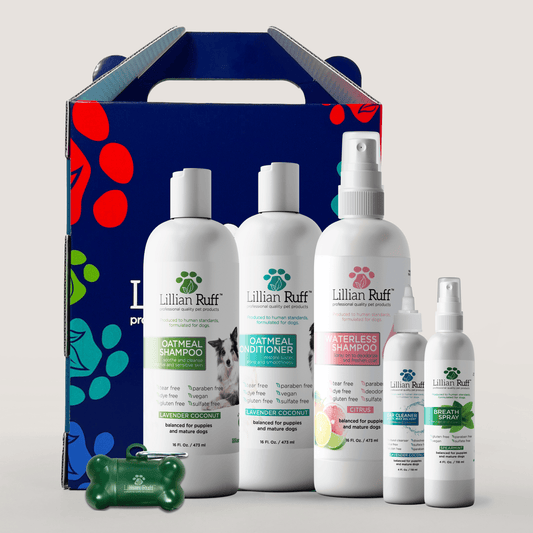
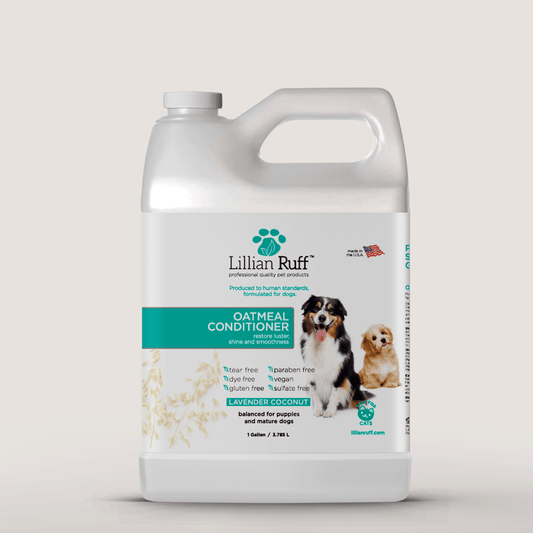
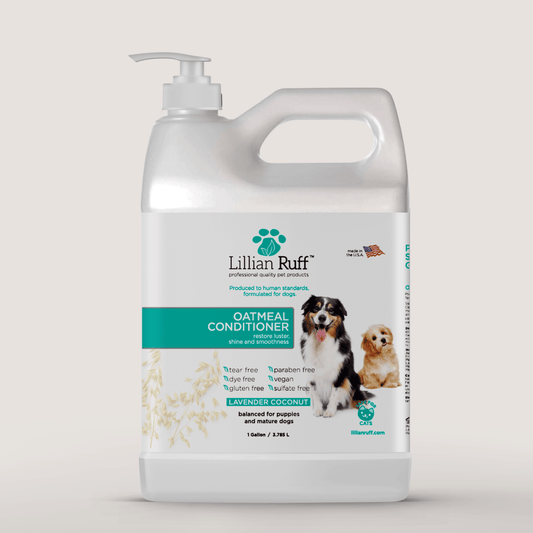
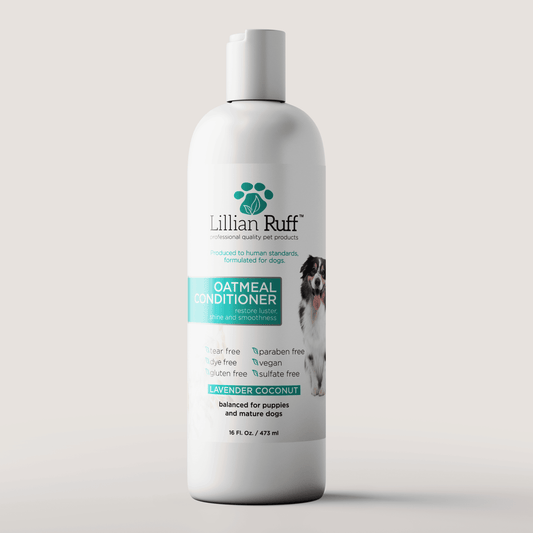
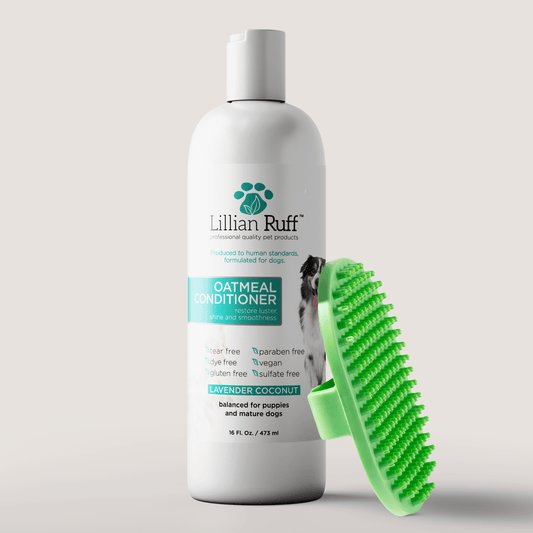
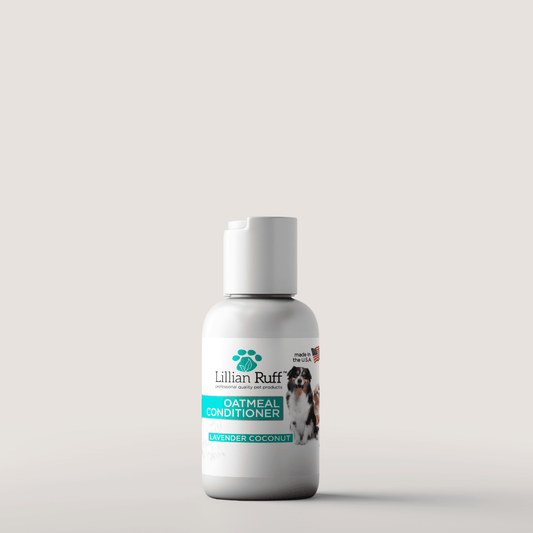
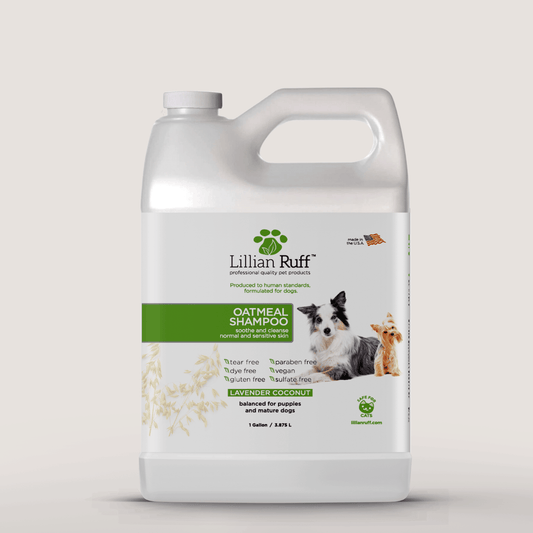
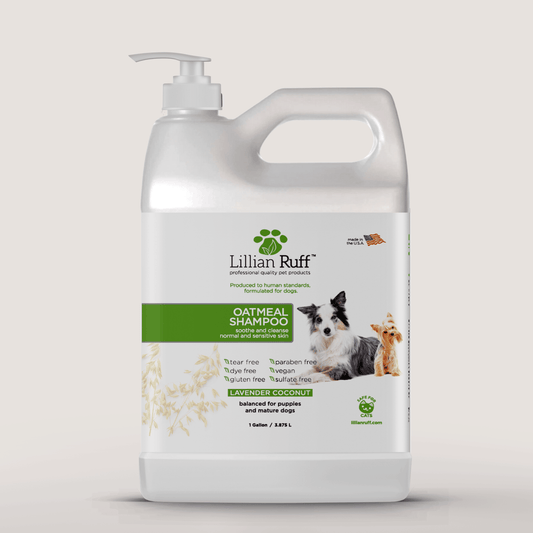
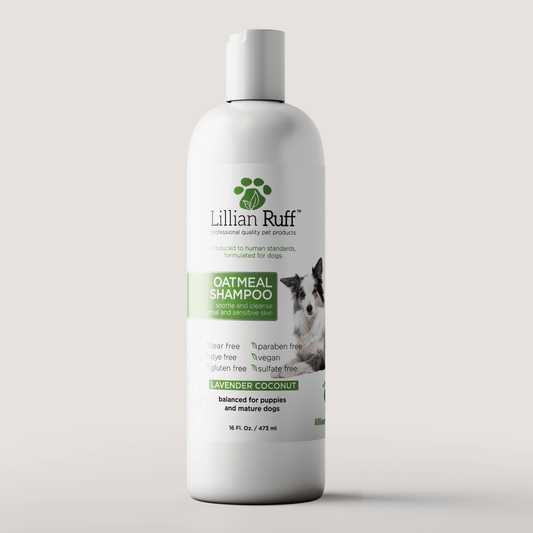
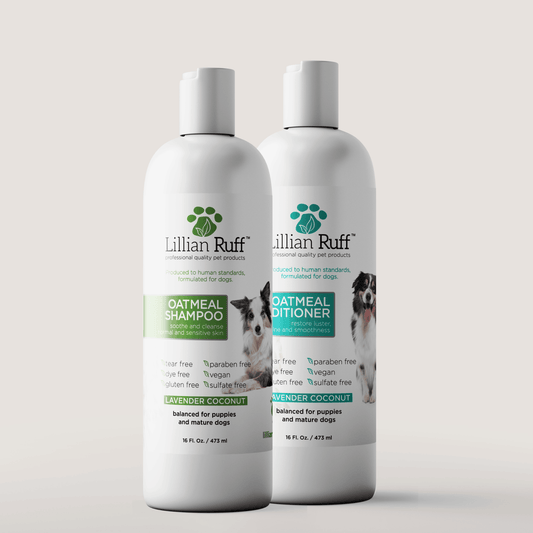
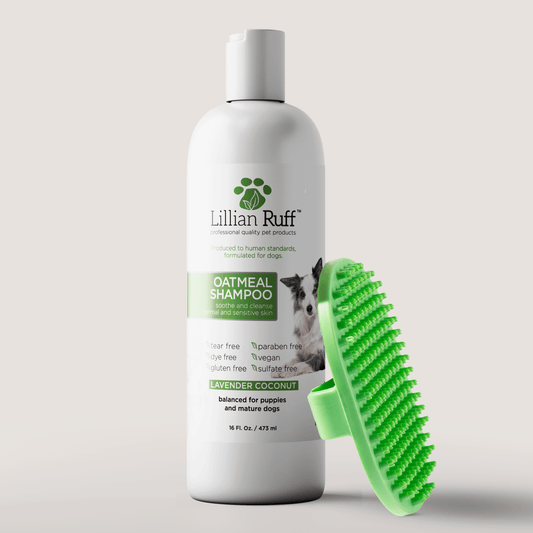
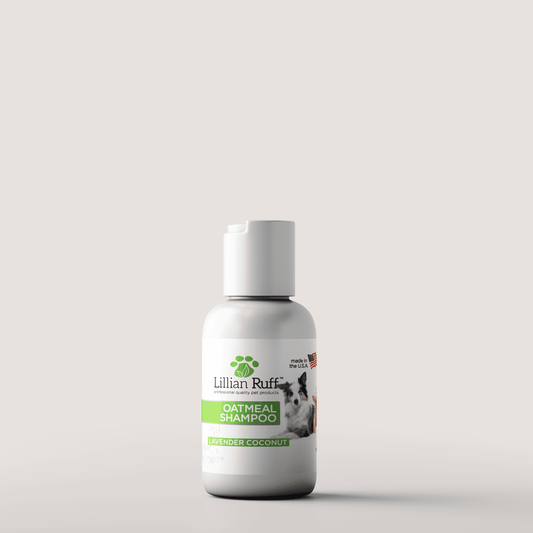
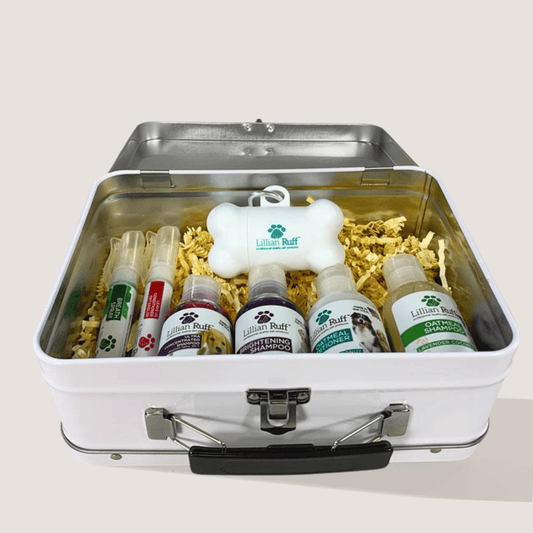
Huskies benefit from moisturizing formulas. Explore the Lillian Ruff pet shampoo collection. Shop our recommended products for Huskies
Step 7: Wash the Face Carefully
Use a damp washcloth for the muzzle. This ensures safety as you groom huskies at home.
Wipe gently around the eyes and mouth. Do not allow shampoo to enter the ear canals.
Use a clean, damp cloth to remove the product rather than spraying water.
Step 8: Rinse the Coat Thoroughly
Rinsing a double coat takes time. Shampoo can remain trapped close to the skin.
Rinse from the neck toward the tail. Continue until the water runs clear and the coat no longer feels soapy.
Step 9: Apply Conditioner
Apply a dog-safe conditioner. This helps reduce dryness and makes loose undercoat easier to remove.
Work the conditioner through the body and tail. Avoid the eyes, ears, and nose.
Step 10: Complete the Final Rinse
Rinse again until all conditioner is gone. Separate the fur to reach the skin.
The coat should not feel slippery. Thorough rinsing prevents post-bath itching.
Step 11: Squeeze Out Excess Water
Gently press excess water from the coat with your hands. This helps you complete the bath more quickly.
Do not twist the fur. Removing water by hand reduces towel use.
Step 12: Towel-Dry the Coat
Use absorbent towels to press moisture from the coat. Avoid vigorous rubbing.
Dry the chest, stomach, and paws. The undercoat often remains wet even when the outer coat feels damp.
Step 13: Blow-Dry the Double Coat
Thorough drying is critical. Moisture trapped in the undercoat may contribute to odor and hot spots.
A high-velocity dryer pushes water away from the skin. Use a comfortable setting.
Avoid concentrated high heat. Dry until the undercoat feels dry close to the skin.
Step 14: Brush During Drying
Brush gently while drying to separate the hair. This improves airflow and removes loose undercoat.
Use a slicker brush in small sections. Avoid excessive pressure on the same area.
Step 15: Check the Coat After Drying
Run your fingers through dense areas to confirm the undercoat is dry. Check the armpits and tail base.
If the coat feels damp, continue drying before the dog goes outside.
Step 16: Check and Dry the Ears
Inspect the ears after every bath. Use a cotton pad to dry only the visible outer ear.
Never insert swabs deep into the canal. Contact your vet for redness or discharge.
Step 17: Clean and Dry the Paws
Rinse away remaining shampoo from the paws. Dry the pads and the areas between the toes.
Moisture left between toes may contribute to irritation.
Step 18: Freshen the Coat Between Baths
Brush regularly to remove loose fur. This is important during spring and fall.
Wipe muddy paws with a damp cloth instead of giving a full bath every time.
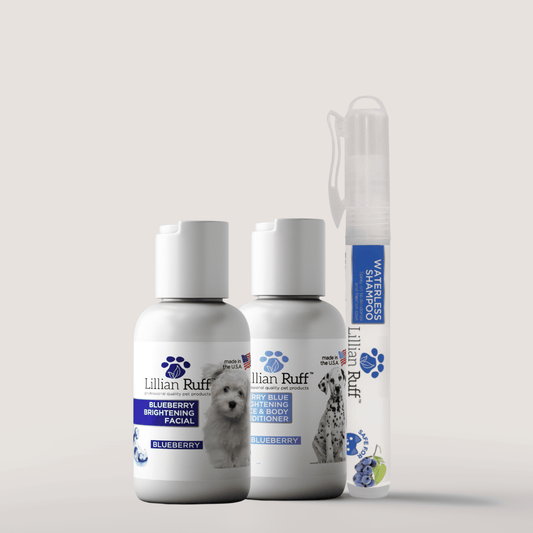
A waterless dog shampoo can also help freshen the coat between full baths.
Common Husky Bathing Mistakes
- Failing to brush out loose undercoat before bathing
- Using human shampoo or conditioner
- Assuming the undercoat is wet because the outer coat is wet
- Using water that is too hot
- Applying too much shampoo or conditioner
- Failing to rinse the double coat completely
- Rubbing the coat aggressively with towels
- Using excessive heat during drying
- Leaving the undercoat damp near the skin
- Bathing too frequently without veterinary guidance
Frequently Asked Questions
How often should I bathe my Husky?
Many can be bathed every six to eight weeks. The schedule depends on activity and dirt exposure.
What kind of shampoo should I use on a Husky?
Choose a gentle, pH-balanced dog shampoo. Moisturizing or de-shedding formulas are often useful.
Should I use conditioner on my Husky?
A lightweight conditioner may help reduce dryness. Rinse thoroughly after application.
Can I use human shampoo on my Husky?
No. Human shampoo is too harsh for a dog’s skin and coat.
Why is it so difficult to wet my Husky’s coat?
Huskies have a dense double coat. Use your fingers and a sprayer to reach the skin.
How long does it take a Husky to dry after a bath?
Time varies by coat density. A high-velocity dryer significantly reduces drying time.
Can I let my Husky air-dry?
Air-drying may leave moisture trapped. Blow-drying on a cool setting is generally better.
Why is my Husky shedding more after a bath?
Bathing and drying loosen dead undercoat. This is common during seasonal blows.
Why does my Husky still smell after a bath?
Odor may come from residue or trapped moisture. Discuss recurring odors with your vet.
Keep Your Husky’s Double Coat Clean and Fully Dry
A successful bath requires more than just shampoo. Brushing and thorough drying are essential to groom huskies at home for maximum comfort.
Consistent care prevents matting and keeps the skin breathable.
Browse Lillian Ruff’s grooming products to build an at-home routine that supports a healthy double coat.