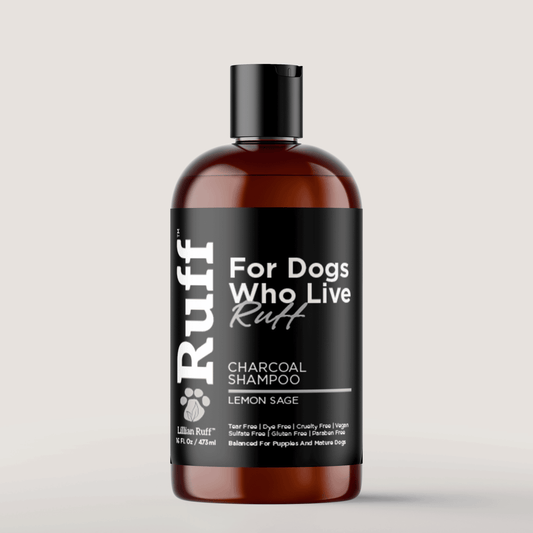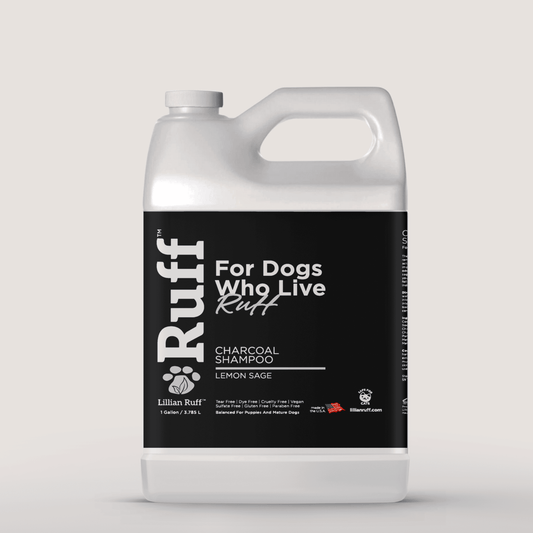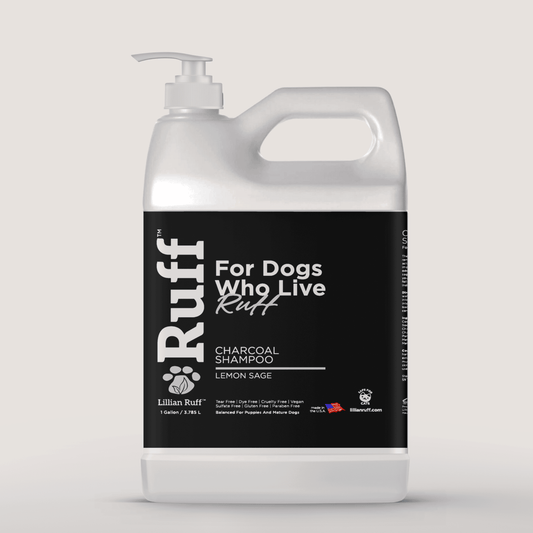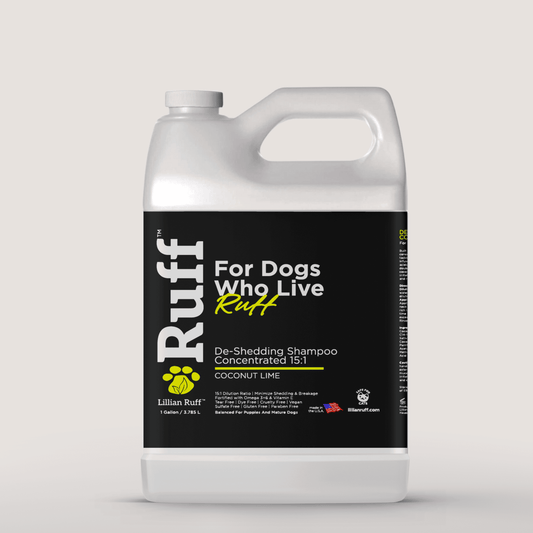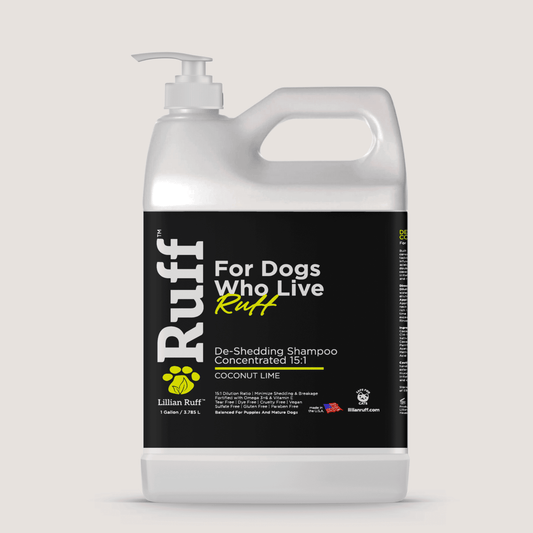

Best De-Shedding Shampoo for Dogs

Finding the best de-shedding shampoo for dogs is essential for managing loose fur. These specialized formulas help remove dead hair during the bath process. This reduces the amount of fur left on your floors and furniture.
Most shedding control products work by hydrating the hair shaft. They use conditioning agents to loosen the undercoat. This allows the dead hair to slide off more easily during rinsing and brushing.
Deeply moisturizing the coat prevents the hair from becoming brittle. Brittle hair tends to snap or shed prematurely. Proper hydration keeps the coat flexible and stronger from root to tip.
When choosing the best de-shedding shampoo for dogs, consider your dog's specific coat type. Double-coated breeds often require stronger formulas to penetrate the thick undercoat. Single-coated dogs may benefit from lighter, moisturizing options.
Different breeds have different skin sensitivities. Some dogs have naturally oily skin, while others are prone to dryness. Match the best de-shedding shampoo for dogs to these specific biological needs.
Check the ingredient list for soothing agents. Ingredients like aloe vera and oatmeal help calm the skin. This is important because frequent bathing can sometimes strip away natural oils.
Maintaining the natural sebum layer is vital for skin health. This oil protects the skin from environmental irritants. Soothing ingredients help replenish this barrier after a deep cleanse.
Avoid shampoos with harsh sulfates or parabens. These chemicals can irritate sensitive canine skin. Natural alternatives are generally safer for long-term use and maintain a healthier skin barrier.
Sulfates can create an overly aggressive lather that removes essential oils. This often leads to itching and flaky skin. Switching to the best de-shedding shampoo for dogs that are sulfate-free helps preserve the skin's pH balance.
Choosing the Best De-Shedding Shampoo for Dogs
To get the best results, start with a thorough brushing session. Removing surface tangles allows the cleanser to reach the skin and undercoat more effectively. This maximizes the shedding reduction.
Brushing before the bath also prevents mats from tightening. Wetting a matted coat can sometimes make the knot more secure. Pre-brushing ensures a smoother application of the product.
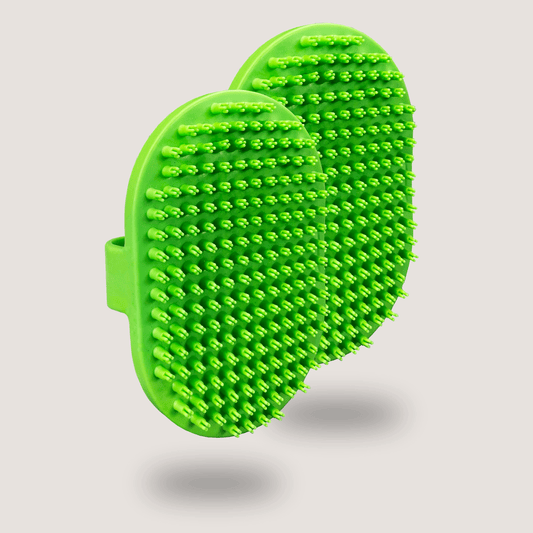
Apply the best de-shedding shampoo for dogs using lukewarm water. Massage the product deep into the coat using your fingers or a grooming mitt. Ensure the lather reaches the base of the hair follicles.
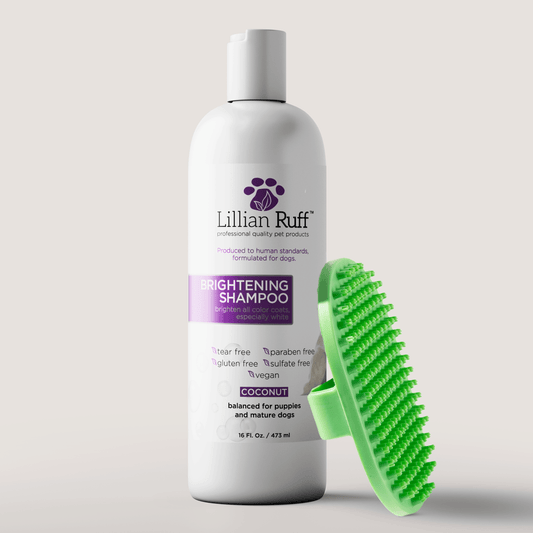
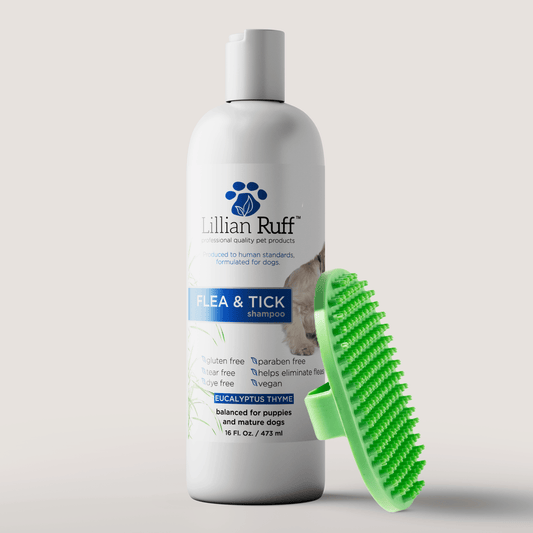
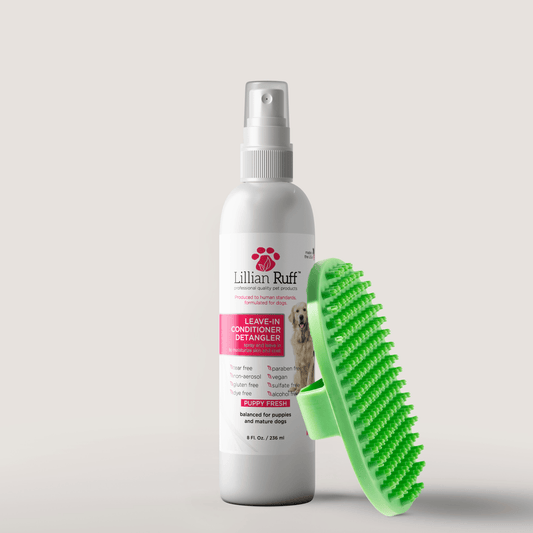
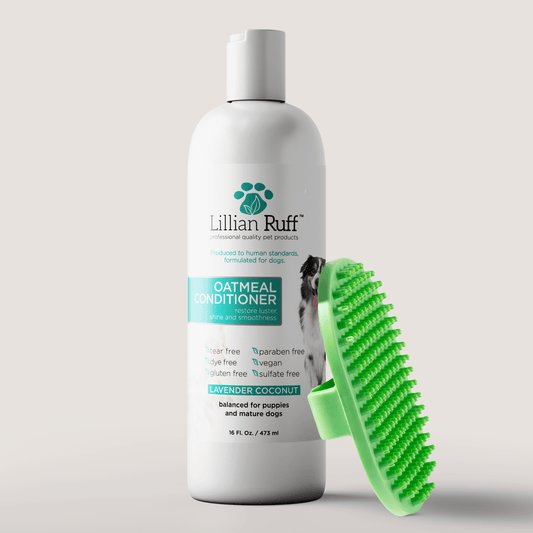
Using a grooming mitt can help distribute the best de-shedding shampoo for dogs evenly. It ensures no spots are missed, especially around the neck and tail. Gentle circular motions help lift the dead hair.
Let the formula sit for a few minutes. This gives the active ingredients time to bond with the loose fur. Follow the manufacturer's timing instructions carefully for the best outcome.
Allowing the product to dwell allows the conditioning agents to penetrate the shaft. This softens the hair and prepares it for removal. Do not leave it longer than recommended to avoid irritation.
Rinse the coat thoroughly with clean water. Any leftover residue can make the fur feel sticky or attract more dirt. A clean rinse ensures the coat remains fluffy and manageable.
Use cool water for the final rinse if possible. This helps close the hair cuticle, adding a natural shine to the coat. It also ensures all soap residue is completely washed away.
Combine the best de-shedding shampoo for dogs with a high-quality deshedding tool. Using a slicker brush or an undercoat rake after the bath removes the loosened hair. This completes the grooming process effectively.
The combination of chemical loosening and physical removal is highly effective. The best de-shedding shampoo for dogs prepares the hair, and the tool clears it out. This prevents the fur from shedding in your home.
Consistency is key for managing shedding seasons. Depending on the breed, your dog may shed more in the spring and fall. Adjust the frequency of these baths to match these cycles.
During peak shedding periods, you may need more frequent grooming. This prevents the undercoat from becoming too dense. A well-managed coat improves the dog's temperature regulation.
Monitor your pet's skin for any signs of redness. If you notice irritation, switch to a hypoallergenic formula. Always perform a patch test when trying a new grooming product.
A patch test involves applying a small amount of product to a hidden area. Wait 24 hours to check for a reaction. This safety step prevents widespread skin irritation during a full bath.
Proper hydration also plays a role in coat health. Ensure your dog drinks plenty of water. A hydrated body supports a healthier coat and reduces excessive dryness and flaking.
Internal health reflects on the exterior of the dog. Omega-3 fatty acids found in diet and supplements can also reduce shedding. This provides a holistic approach to coat management.
Consult with a professional groomer if shedding becomes extreme. They can suggest the best de-shedding shampoo for dogs tailored to your dog's breed and skin condition. Professional advice ensures the safest care.
Groomers have access to professional-grade tools and a wide range of products. They can identify if shedding is normal or caused by an underlying health issue. Expert guidance prevents over-washing.
Regular grooming sessions provide more than just a clean home. They allow you to check for skin lumps, ticks, or fleas. This proactive approach supports your pet's overall wellness.
Checking the skin regularly helps catch problems early. Early detection of skin infections or parasites makes treatment easier. Grooming is a vital part of a comprehensive health check.
Store your best de-shedding shampoo for dogs in a cool, dry place. Keep the cap tightly sealed to prevent the formula from drying out. This ensures the product remains effective for every bath.
Avoid leaving the bottle in direct sunlight or near heat sources. Extreme temperatures can break down the active ingredients. Proper storage maintains the potency of the conditioning agents.