

Grooming can become a predictable, low-pressure way to build trust with your dog.
The goal is not to force perfect behavior. It is to create short, safe experiences in which your dog learns that handling, brushing, and inspection are manageable.
Why Grooming Can Build Trust
Predictable contact
A repeated sequence helps your dog understand what will happen next.
Gentle body handling
Regularly checking paws, ears, coat, and skin can make future care less unfamiliar.
Positive reinforcement
Treats, praise, and breaks help pair grooming with safer, more pleasant experiences.
Early detection
Calm handling makes it easier to notice lumps, irritation, tangles, soreness, or changes that deserve attention.
How to Make Grooming Feel Safer
Start with seconds, not sessions
Touch or brush one easy area briefly, reward, and stop before your dog becomes overwhelmed.
Let the dog choose a stable position
Use a non-slip surface and avoid restraining more than necessary.
Pair tools with rewards
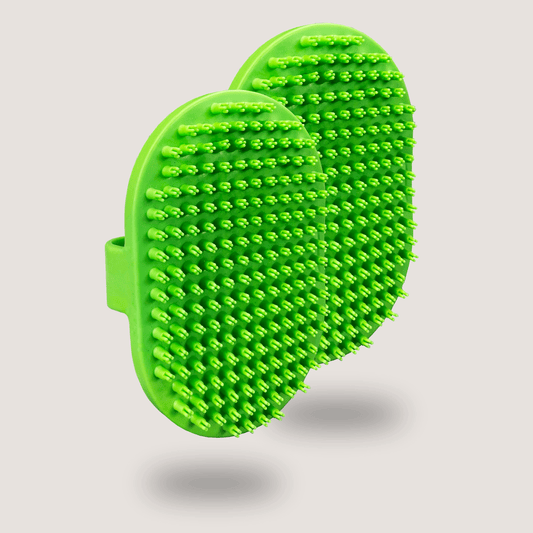
Show the brush, reward calm behavior, then make one gentle stroke.
Respect warning signs
Freezing, lip licking, turning away, growling, or repeated escape attempts mean the session needs to slow down or stop.
Build duration gradually
Add time only after your dog is comfortable with the current step.
Use professional help
A fear-free groomer, trainer, or veterinarian can help when grooming triggers panic or aggression.
Trust grows through consistency and choice, not by holding a frightened animal still until the timer runs out.
Make Grooming a Conversation, Not a Contest
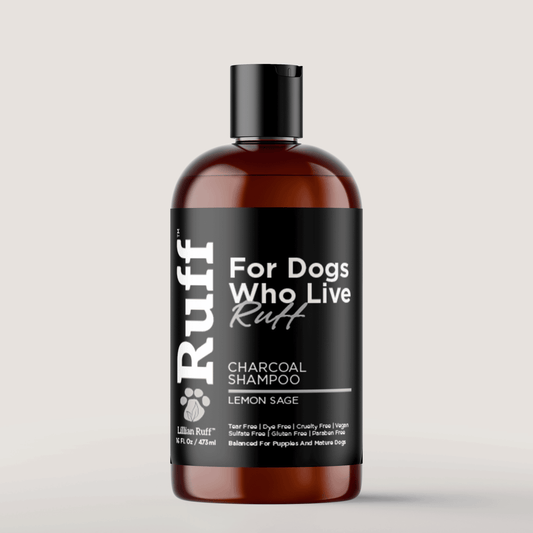
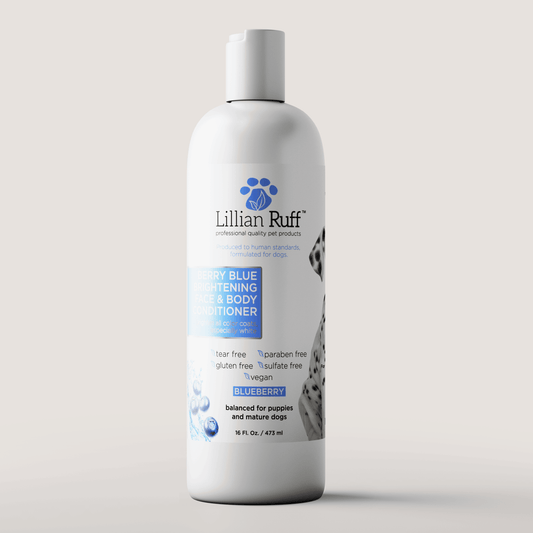
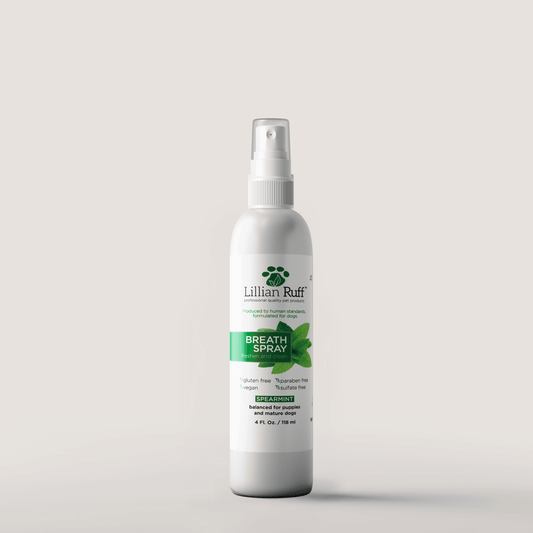
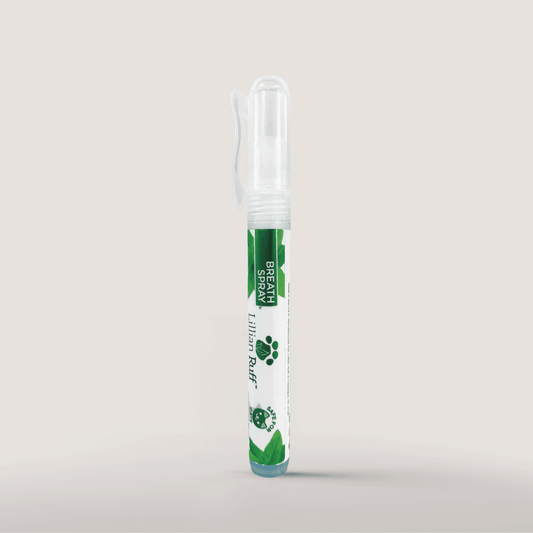
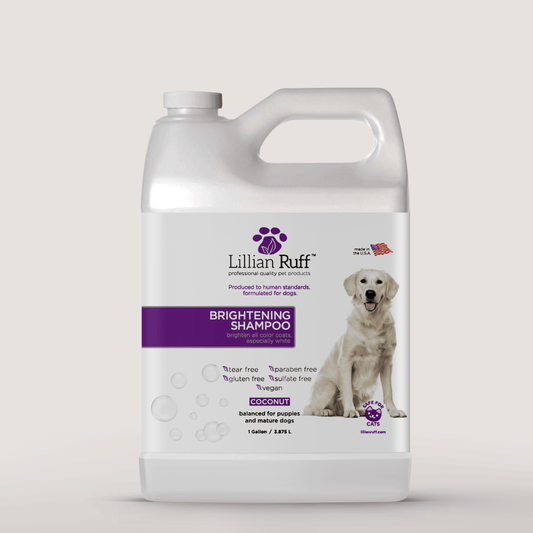
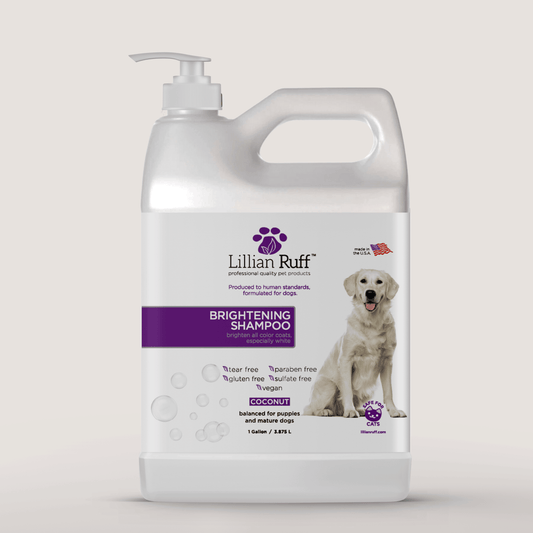
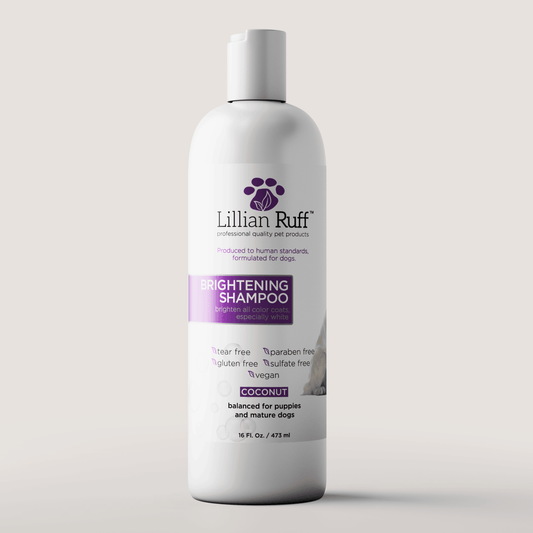
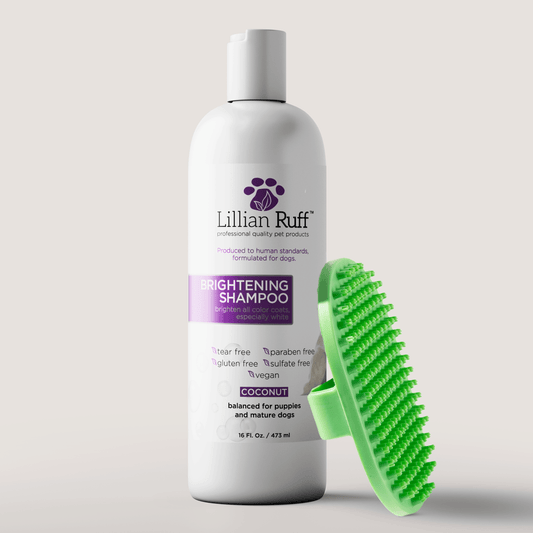
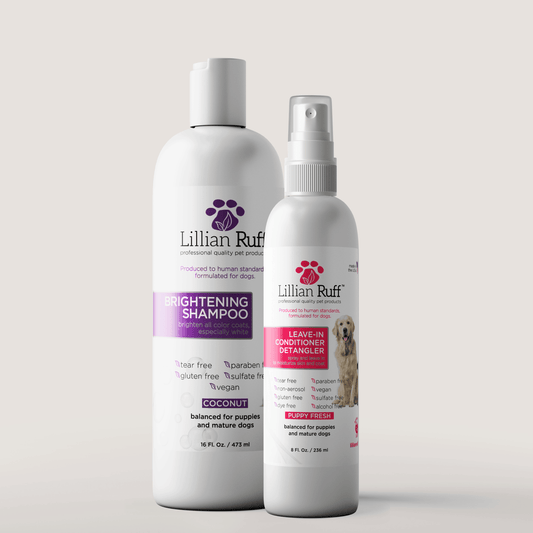
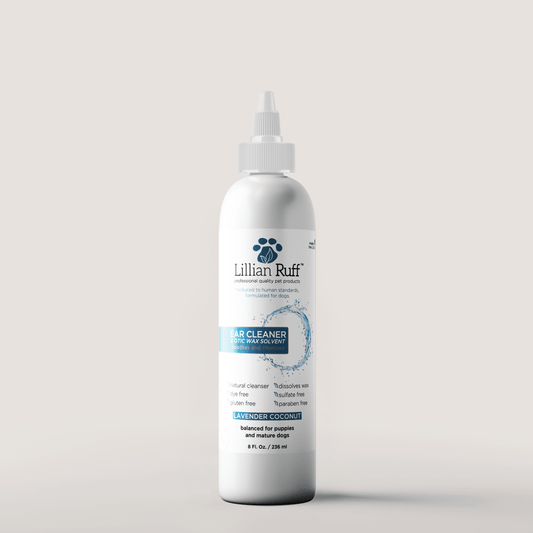
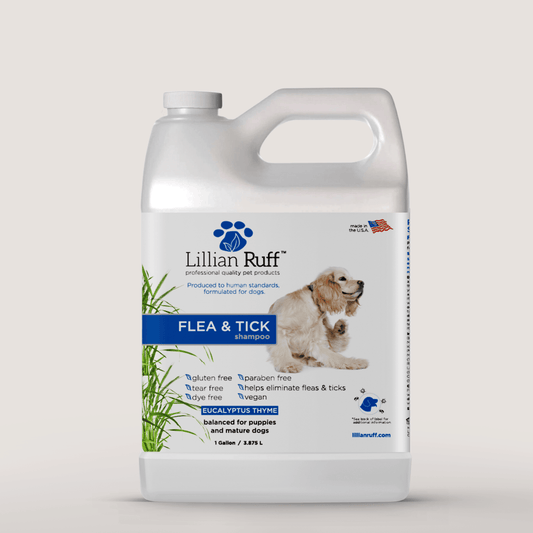
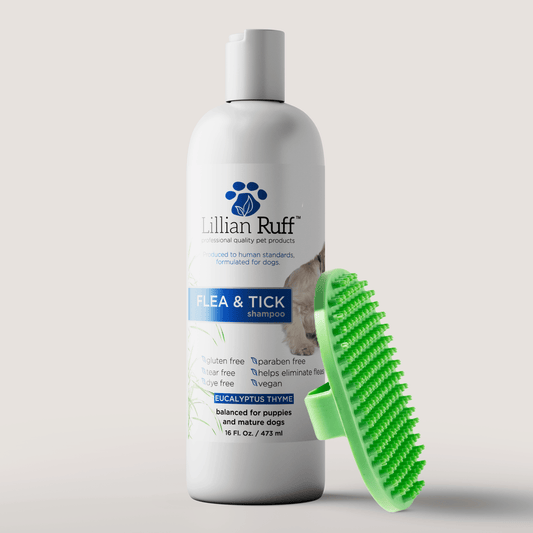
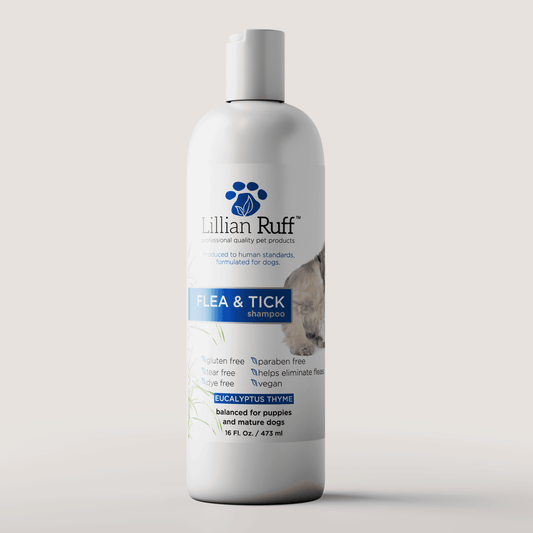
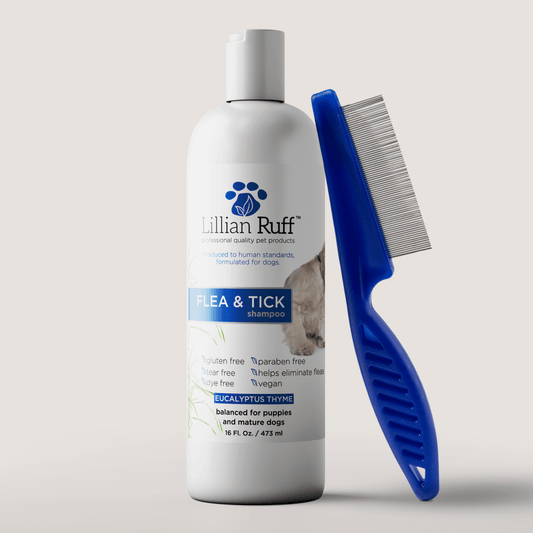
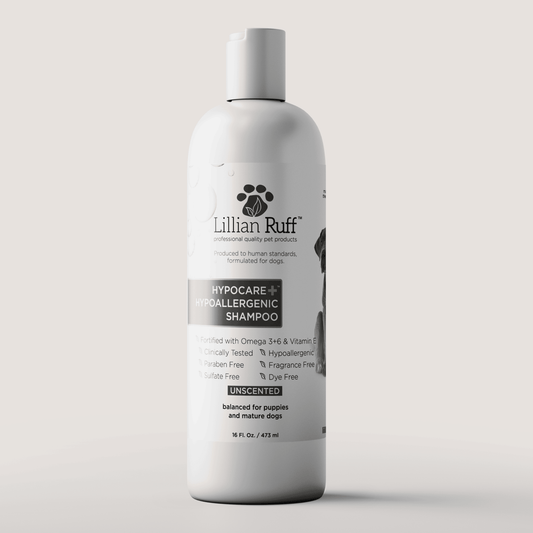
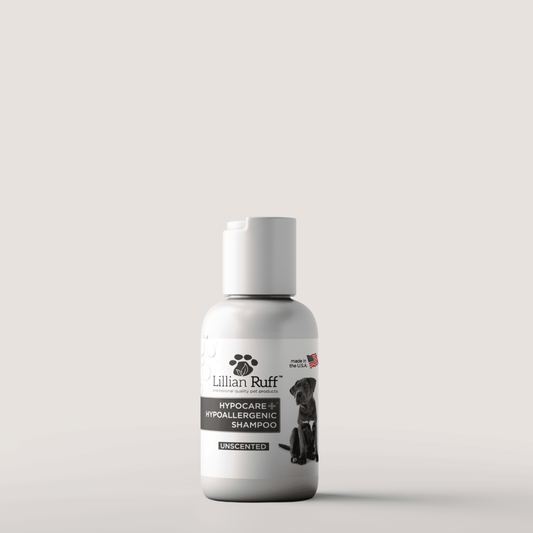
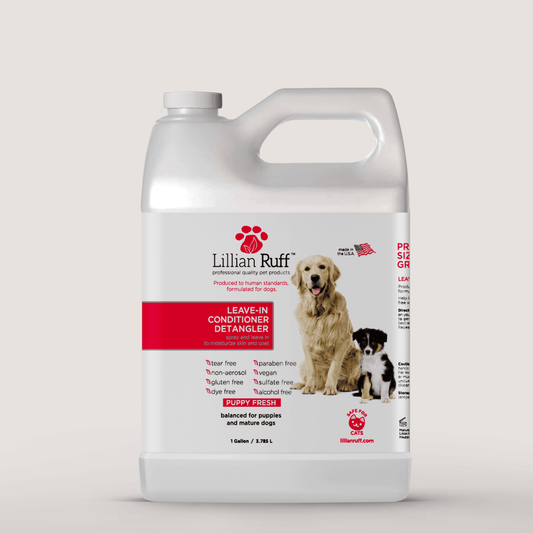
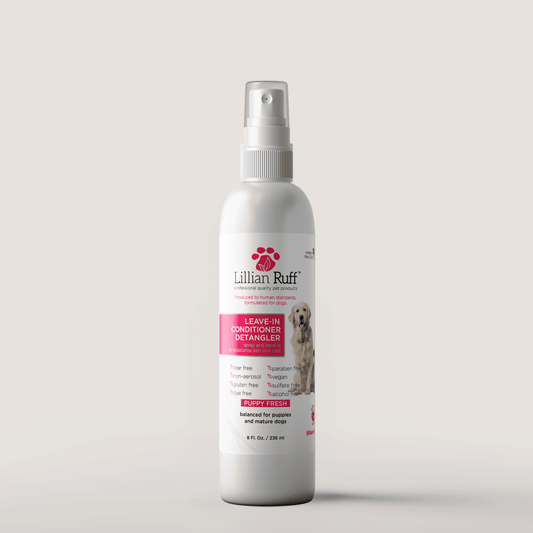
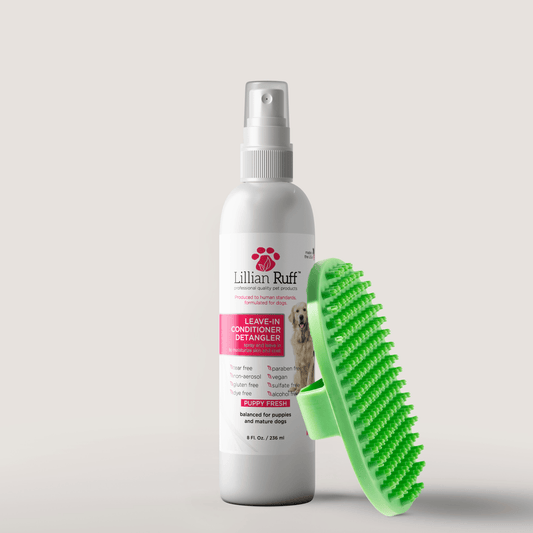
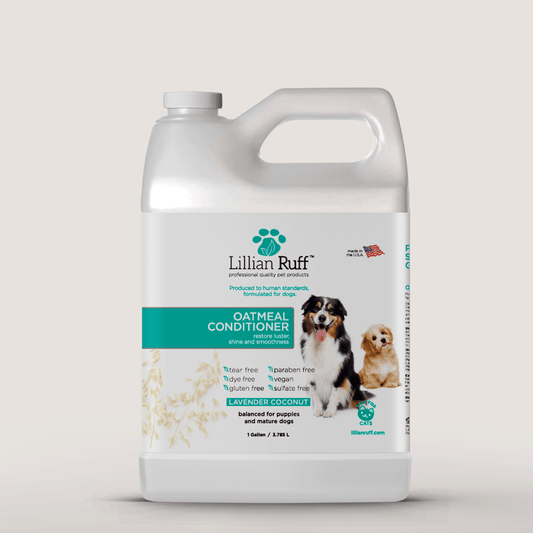
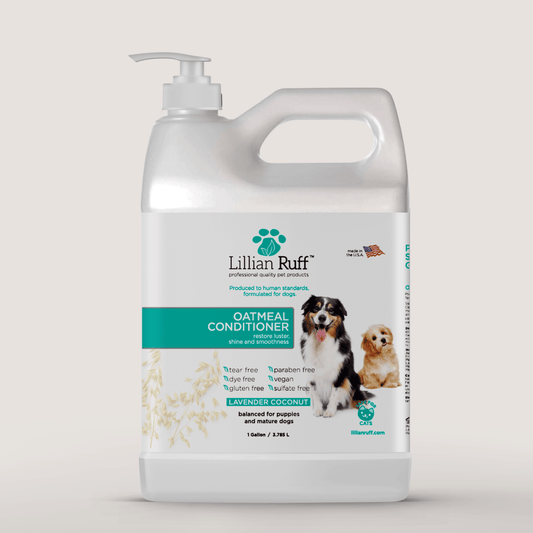
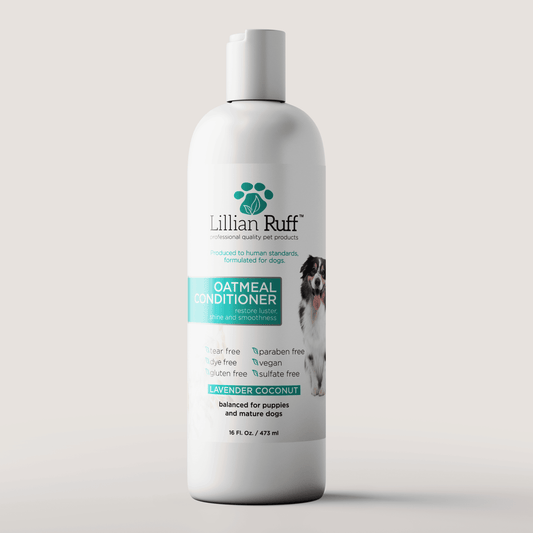
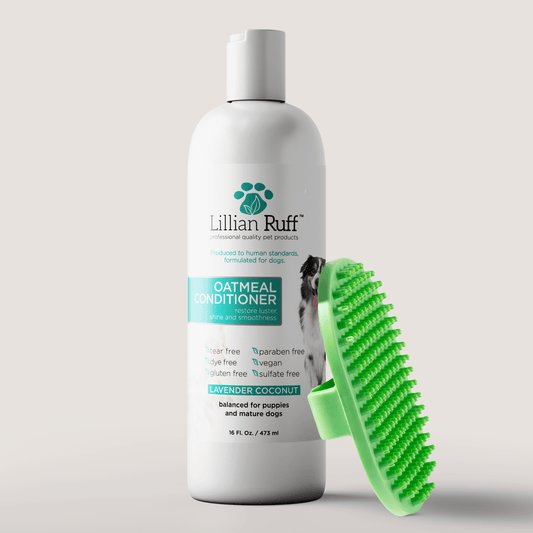
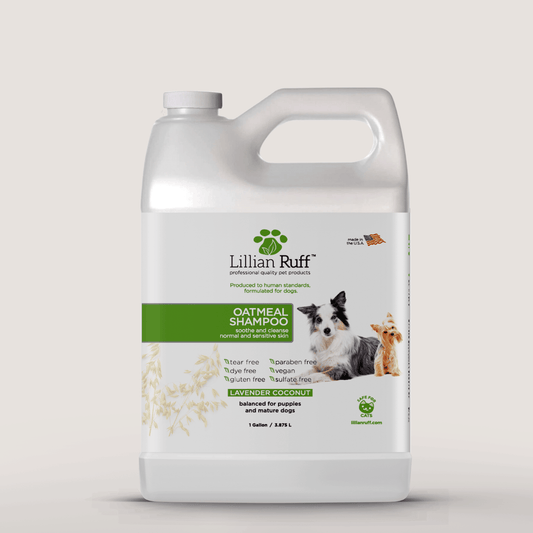
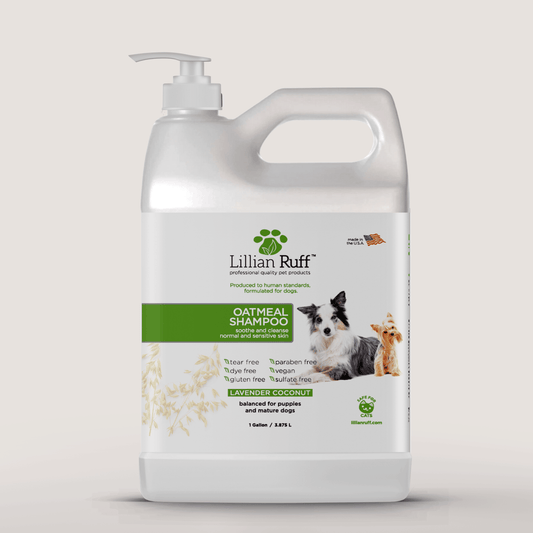
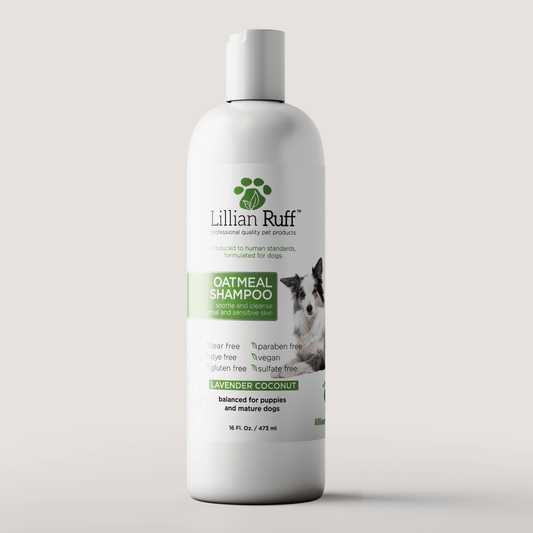
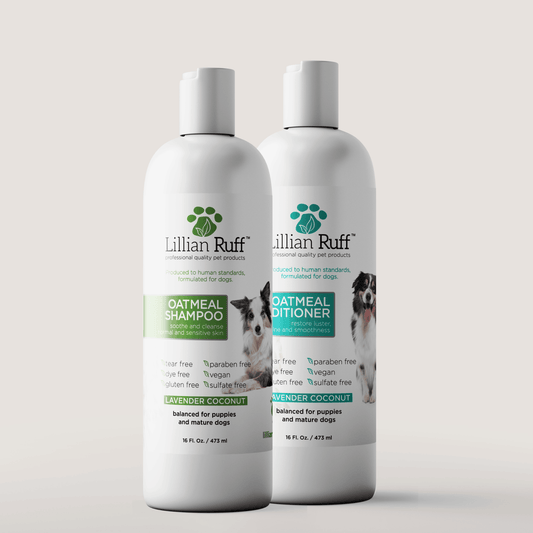
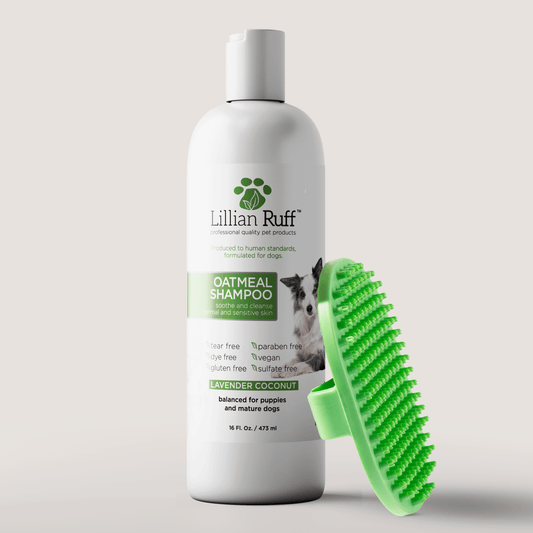
Use gentle, pet-formulated products, follow label directions, and involve your veterinarian whenever grooming reveals pain, infection, sudden hair loss, or persistent irritation.
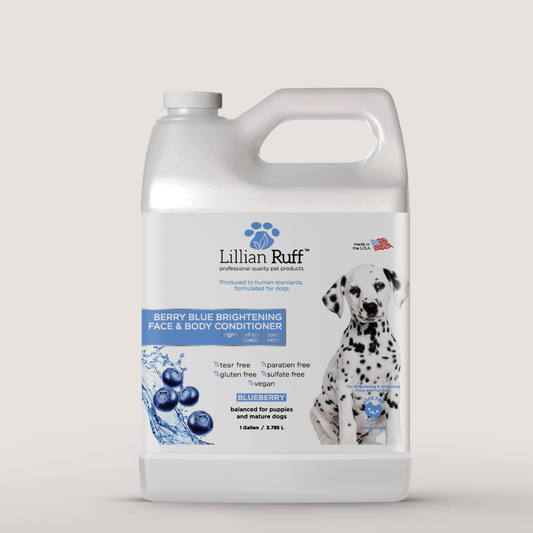
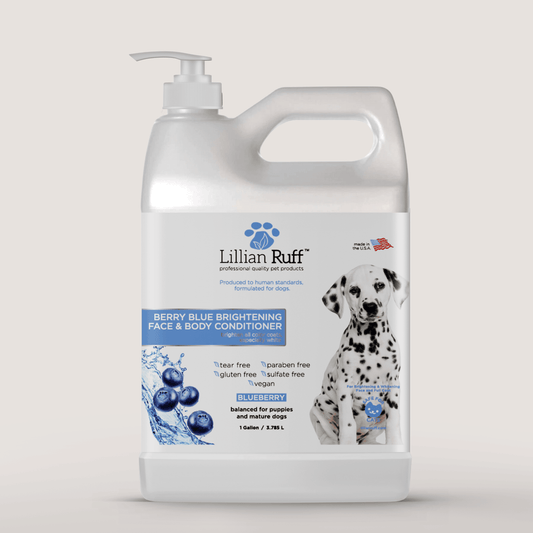
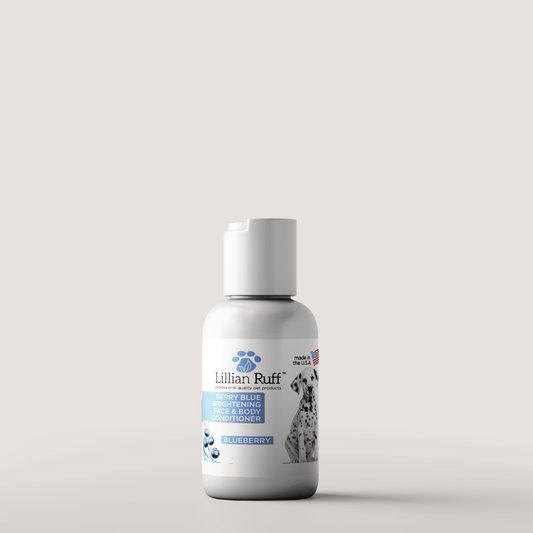
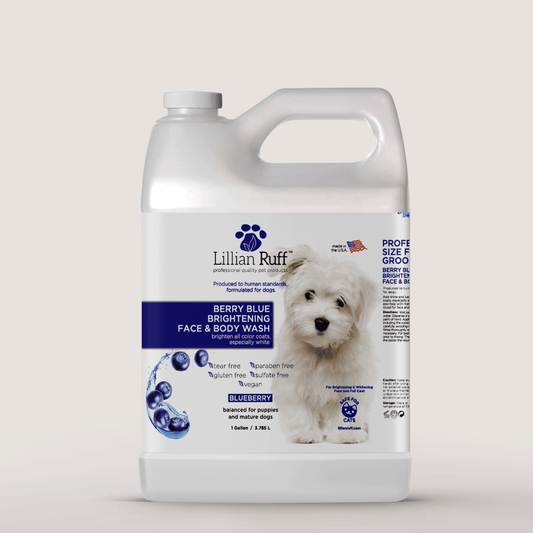
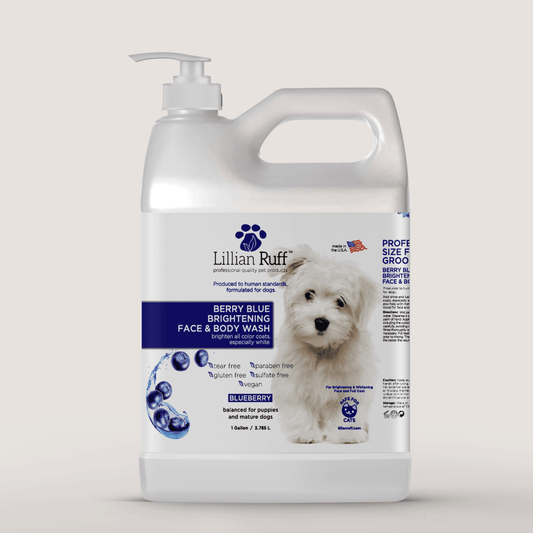
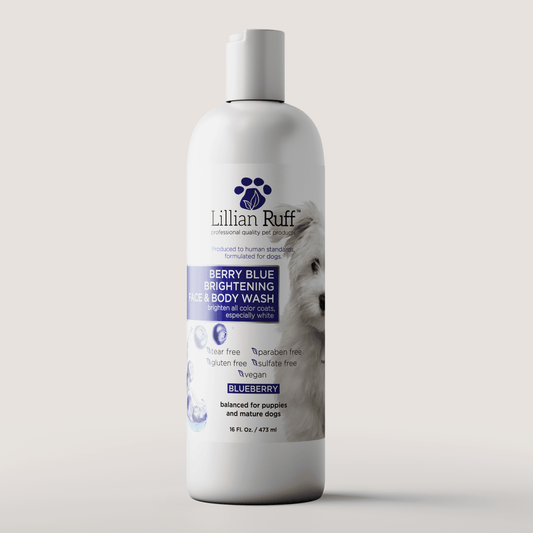
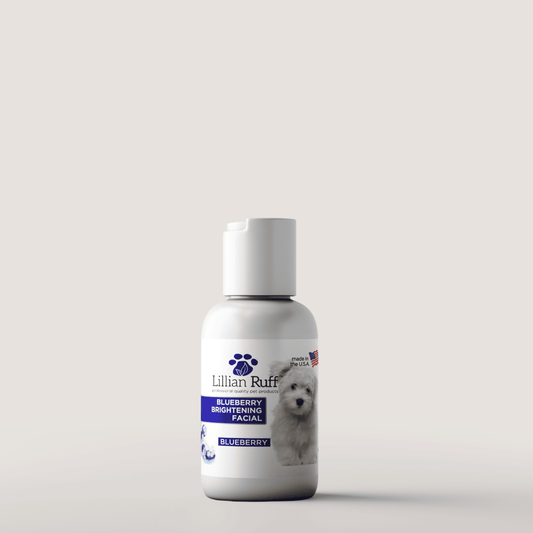
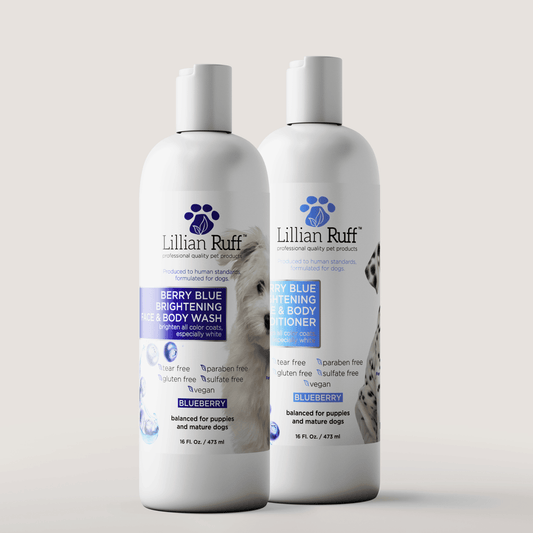
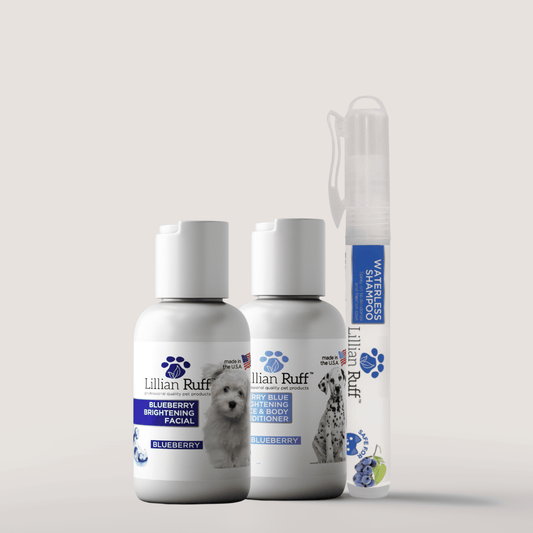
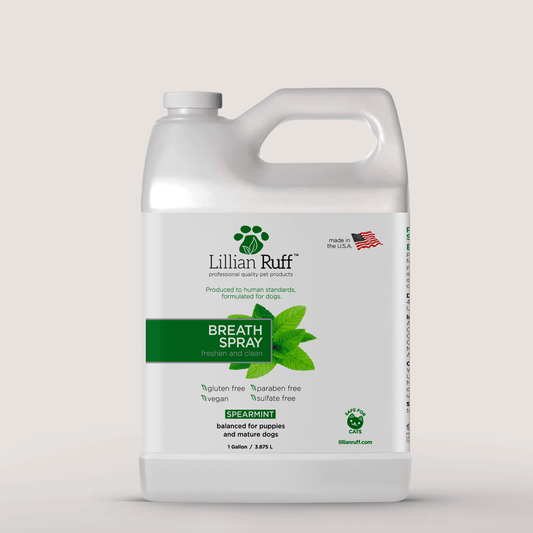
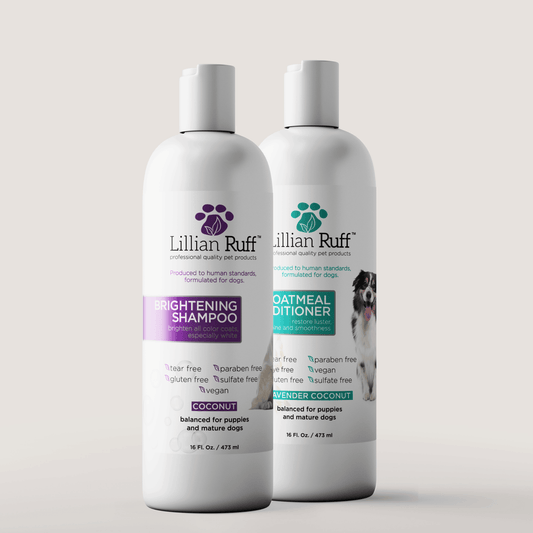
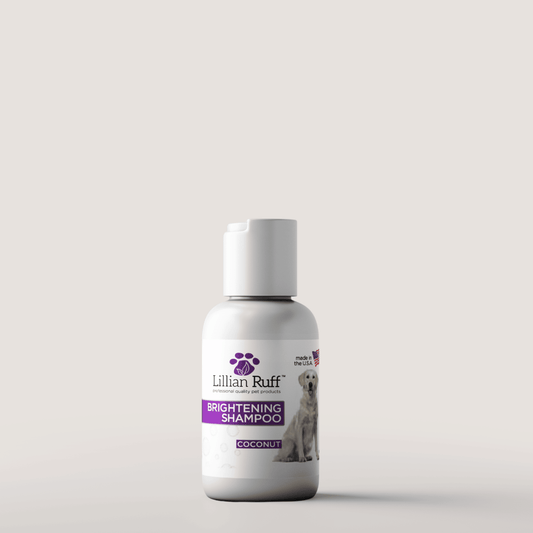
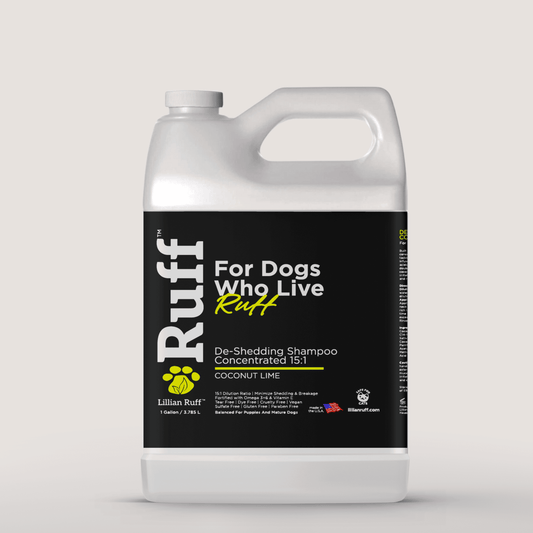
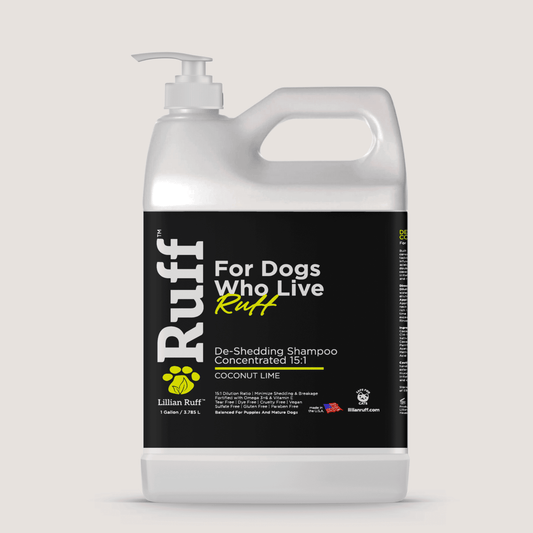
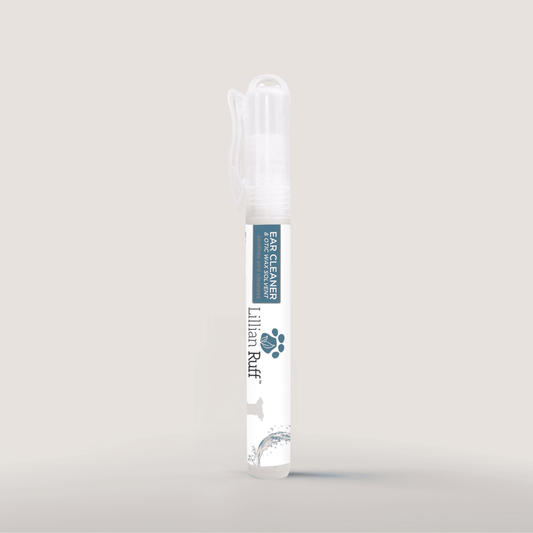
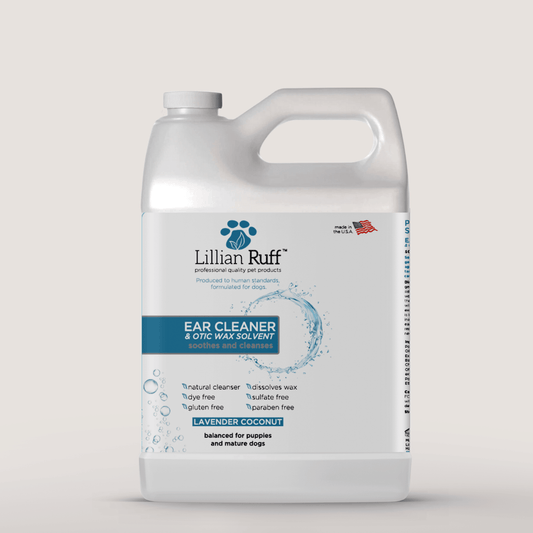
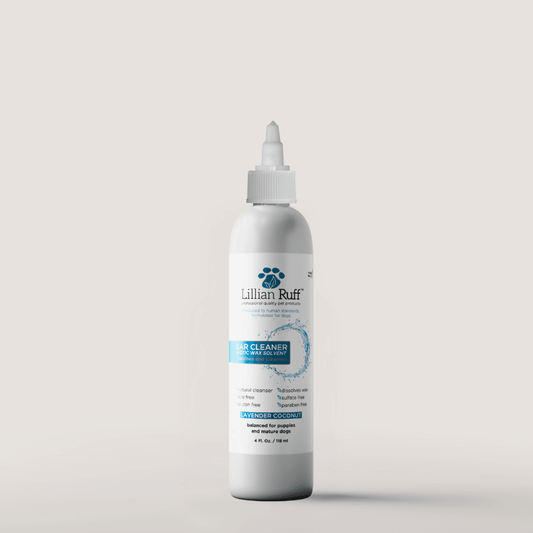
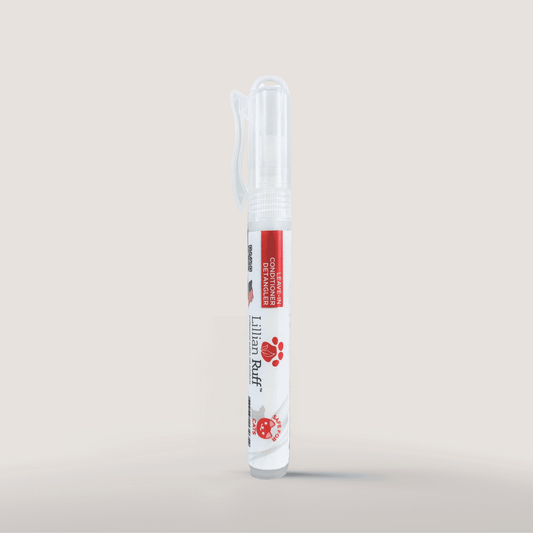
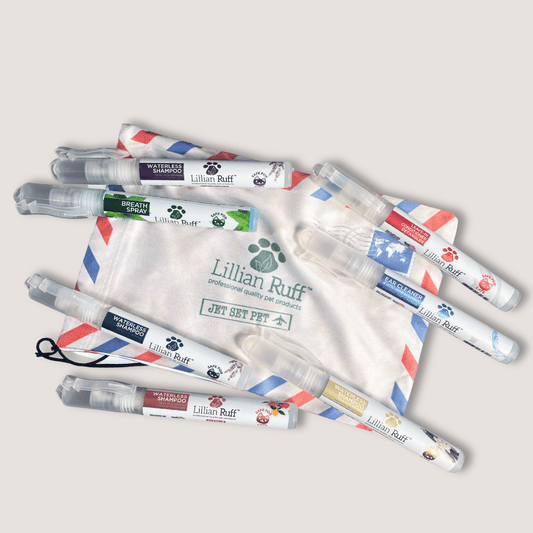
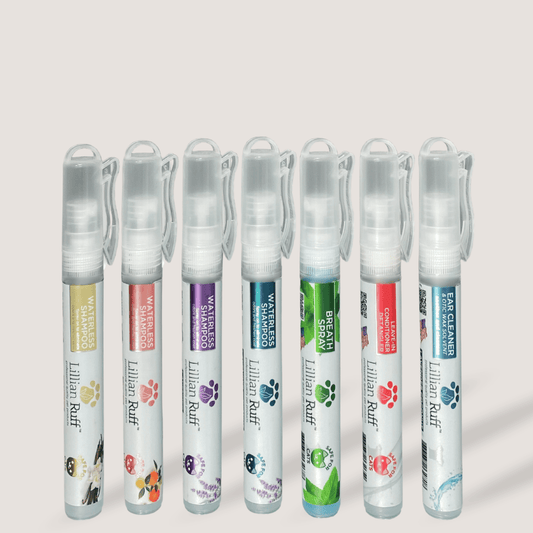
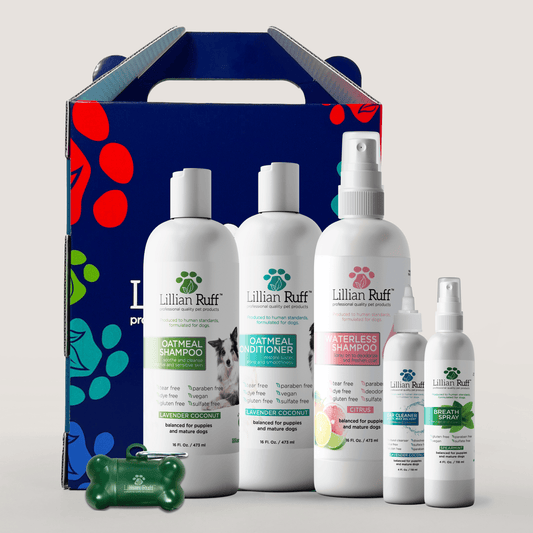
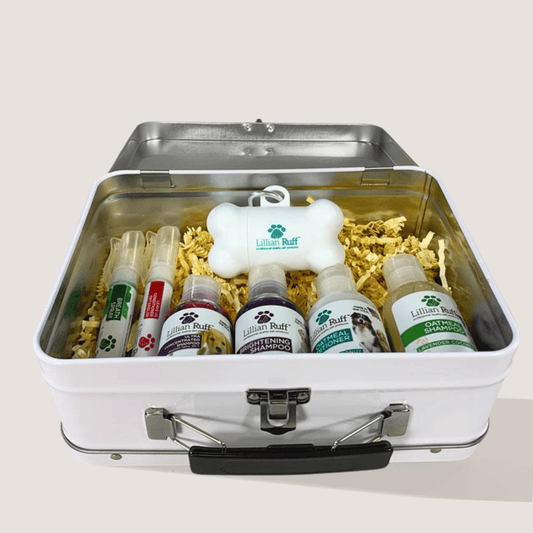
Shop Lillian Ruff Pet Grooming Products